THE ADVENTURE COLLECTIVE® · Independent discovery and booking for outdoor travel

See Himalayan giants from Nagarkot ridgelines and explore Kathmandu’s UNESCO sites in a compact four-day loop. This tour pairs cultural immersion with sunrise mountain viewing—ideal for travelers seeking accessible high-country scenery without technical hiking.
See Himalayan giants from Nagarkot ridgelines and explore Kathmandu’s UNESCO sites in a compact four-day loop. This tour pairs cultural immersion with sunrise mountain viewing—ideal for travelers seeking accessible high-country scenery without technical hiking.
Dawn breaks over Nagarkot with a slow, deliberate light that drags Himalayan peaks into silhouette; the air is thin and cold, birds wheel above rice terraces, and the valley beneath Kathmandu wakes into narrow lanes and temple bells. On this four-day loop, travelers trade the city’s temple-cluttered alleys for open ridgelines where Everest and Annapurna appear in the same sweep.
Verified experiences and guided adventures in the surrounding area.
Operated by NBM Travel Company Pvt. Ltd. · Kathmandu, Bagmati Province
Dawn breaks over Nagarkot with a slow, deliberate light that drags Himalayan peaks into silhouette; the air is thin and cold, birds wheel above rice terraces, and the valley beneath Kathmandu wakes into narrow lanes and temple bells. On this four-day loop, travelers trade the city’s temple-cluttered alleys for open ridgelines where Everest and Annapurna appear in the same sweep.
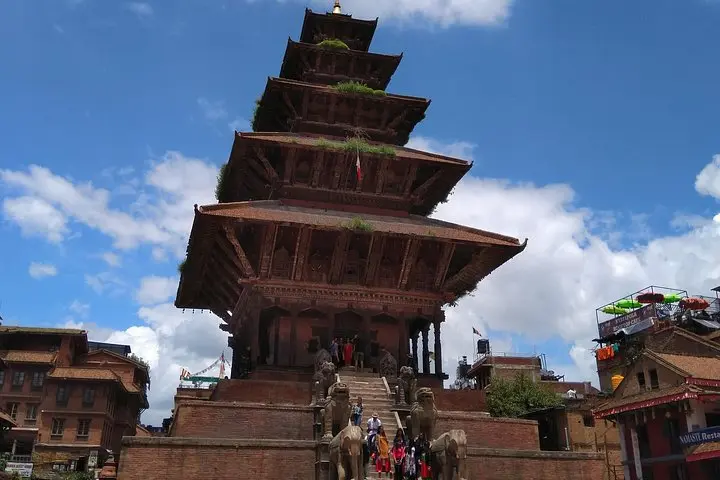
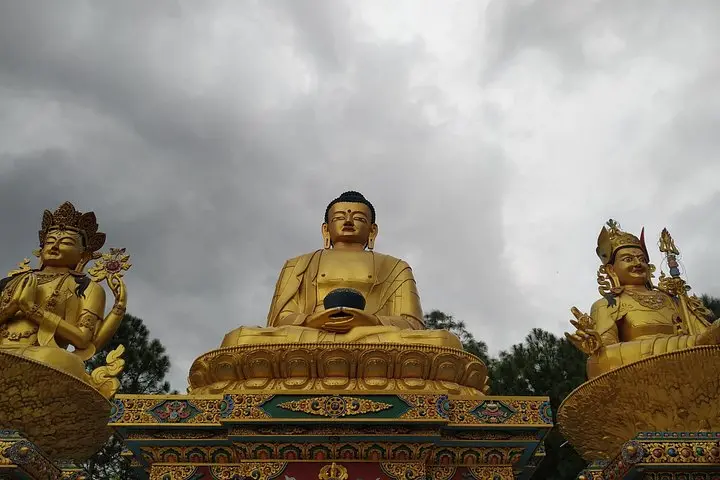
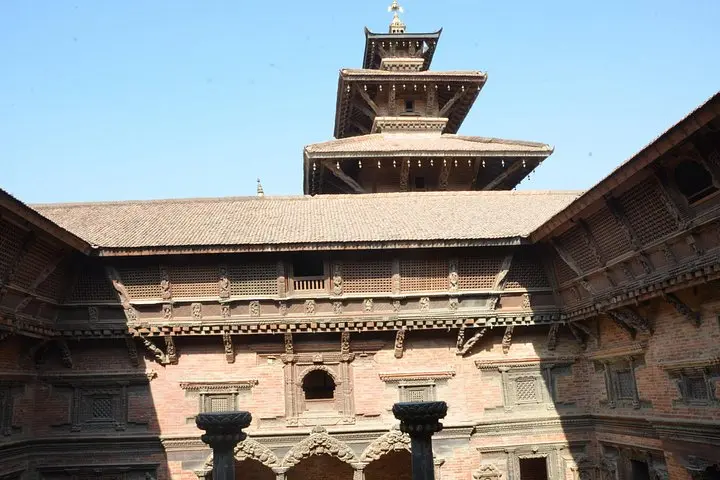
The route threads UNESCO-listed sites—Boudhanath’s white dome and Swayambhunath’s watchful eyes—into a living archive of Newar craftsmanship and medieval city-states. Geology is visible in terraced slopes and shallow river valleys carved by monsoon runoff; Nagarkot sits at about 2,175 m, a natural vantage formed by the Mahabharat Range that offers panoramic vistas of the High Himalaya on clear mornings.
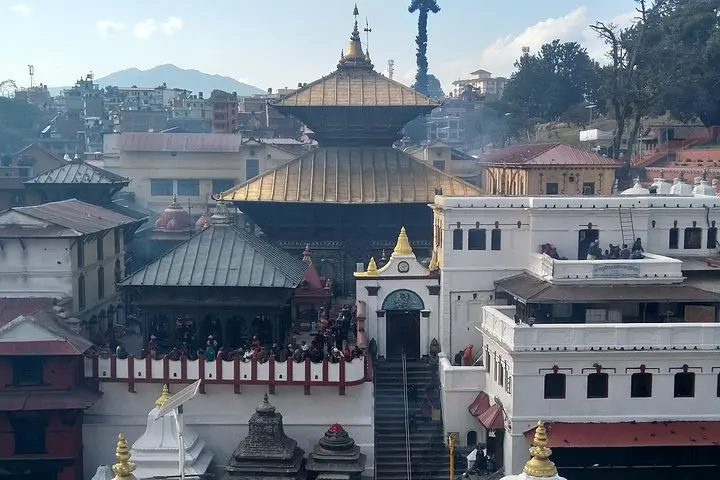
Culture here mixes Hindu ritual and Tibetan Buddhist practice: monks turn prayer wheels, priests chant at Pashupatinath, vendors sell juju dhau in Bhaktapur. Locals run family hotels and pottery workshops, and simple hospitality shapes the pace.
Practical guidance: travel is by private vehicle with short walks—bring a warm layer for sunrise, sturdy shoes for uneven cobbles, and a daypack for camera and water. Expect early starts for views; visibility is best autumn and spring, while monsoon brings clouds and occasional landslide risk. Altitude is moderate—no technical acclimatization needed but move slowly if you’re sensitive to elevation. Carry local cash for small purchases, respect temple protocols (cover shoulders, remove shoes where required), and support local artisans with purchases. With clear planning the tour balances cultural depth and accessible mountain scenery—an efficient introduction to Kathmandu Valley and its high-elevation outlooks.
The drive takes about 1–1.5 hours each way depending on traffic and road conditions; expect slower travel during peak hours or monsoon.
Nagarkot sits around 2,175 m and typically does not require formal acclimatization, but go slowly if you feel shortness of breath or dizziness.
This tour includes many entrance fees, but carry some cash for optional museum or temple donations and souvenirs.
Yes—transport is private and the itinerary is low-impact, but plan for some walking and stairs; inform the operator of mobility needs.
NBM Travel Company Pvt. Ltd. operates guided outdoor trips and adventures with an emphasis on safety, stewardship, and memorable experiences.
Dawn breaks over Nagarkot with a slow, deliberate light that drags Himalayan peaks into silhouette; the air is thin and cold, birds wheel above rice terraces, and the valley beneath Kathmandu wakes into narrow lanes and temple bells. On this four-day loop, travelers trade the city’s temple-cluttered alleys for open ridgelines where Everest and Annapurna appear in the same sweep.
Dawn breaks over Nagarkot with a slow, deliberate light that drags Himalayan peaks into silhouette; the air is thin and cold, birds wheel above rice terraces, and the valley beneath Kathmandu wakes into narrow lanes and temple bells. On this four-day loop, travelers trade the city’s temple-cluttered alleys for open ridgelines where Everest and Annapurna appear in the same sweep.
The route threads UNESCO-listed sites—Boudhanath’s white dome and Swayambhunath’s watchful eyes—into a living archive of Newar craftsmanship and medieval city-states. Geology is visible in terraced slopes and shallow river valleys carved by monsoon runoff; Nagarkot sits at about 2,175 m, a natural vantage formed by the Mahabharat Range that offers panoramic vistas of the High Himalaya on clear mornings.
Culture here mixes Hindu ritual and Tibetan Buddhist practice: monks turn prayer wheels, priests chant at Pashupatinath, vendors sell juju dhau in Bhaktapur. Locals run family hotels and pottery workshops, and simple hospitality shapes the pace.
Practical guidance: travel is by private vehicle with short walks—bring a warm layer for sunrise, sturdy shoes for uneven cobbles, and a daypack for camera and water. Expect early starts for views; visibility is best autumn and spring, while monsoon brings clouds and occasional landslide risk. Altitude is moderate—no technical acclimatization needed but move slowly if you’re sensitive to elevation. Carry local cash for small purchases, respect temple protocols (cover shoulders, remove shoes where required), and support local artisans with purchases. With clear planning the tour balances cultural depth and accessible mountain scenery—an efficient introduction to Kathmandu Valley and its high-elevation outlooks.