THE ADVENTURE COLLECTIVE® · Independent discovery and booking for outdoor travel

Three days that compress Nepal’s cultural highs: Kathmandu’s temples and royal squares, a scenic tourist-bus transfer, then Pokhara’s sunrise views, lakes and falls. This private tour pairs guided city exploration with a classic overland crossing.
Three days that compress Nepal’s cultural highs: Kathmandu’s temples and royal squares, a scenic tourist-bus transfer, then Pokhara’s sunrise views, lakes and falls. This private tour pairs guided city exploration with a classic overland crossing.
Dawn breaks over a terraced skyline as you step from a narrow Kathmandu alley into a swirl of incense and prayer flags; three days later you’re watching the Annapurna range ignite from Sarangkot, the lake at Pokhara catching the first light like a held breath.
Verified experiences and guided adventures in the surrounding area.
Operated by Swami Narayan Travels Pvt Ltd · Kathmandu, Bagmati Province
Dawn breaks over a terraced skyline as you step from a narrow Kathmandu alley into a swirl of incense and prayer flags; three days later you’re watching the Annapurna range ignite from Sarangkot, the lake at Pokhara catching the first light like a held breath.
This itinerary stitches together the living layers of Nepal—centuries-old palaces and stupas in the Kathmandu Valley, Newar streets where wood-carved windows watch daily life, then a seven-hour tourist-bus crossing of valleys and foothills that descends toward Pokhara’s lakes and museums.
Geology and climate shape the route: Kathmandu sits on a 1,300–1,400 m valley floor of uplifted sediment; the bus ride drops toward Pokhara (≈820 m) while the Annapurna massif presides farther north. Culture alternates Hindu and Buddhist sites, royal squares and living neighborhoods where festivals and temple rituals sit in plain view.
Practical notes: the tour is private, includes hotel pickup/drop-off, an English-speaking guide and a tourist-bus transfer (planned ≈6–7 hours). Many palace and temple sites have separate admission fees; Sarangkot requires an early start for reliable sunrise views. Wheelchair access and easy physical demands are noted, but expect uneven pavement and steps at heritage sites.
Bring layers for cool mornings, sun protection at lakeside, and a refillable bottle for the bus. Time your visit outside monsoon months (October–November and March–April offer clearest mountain visibility). Move deliberately through crowds, give space at sacred sites, and use the bus time to watch hill villages roll by—a practical corridor between two very different faces of Nepal.
Yes—the itinerary includes a scheduled tourist-bus transfer from Kathmandu to Pokhara (approx. 6–7 hours), with planned stops en route.
Most site admissions are not included; the tour provides transport and guide services, but plan for separate entry charges at certain palaces, stupas and museums.
The tour lists wheelchair accessibility and is generally suitable for low fitness levels, but some heritage sites have steps and uneven ground—notify the operator about specific mobility needs in advance.
The itinerary includes guided time at key sites (Sarangkot, lakes, waterfall, museum) but you can coordinate extra time with your guide or arrange independent exploration before or after the organized stops.
Swami Narayan Travels Pvt Ltd operates guided outdoor trips and adventures with an emphasis on safety, stewardship, and memorable experiences.
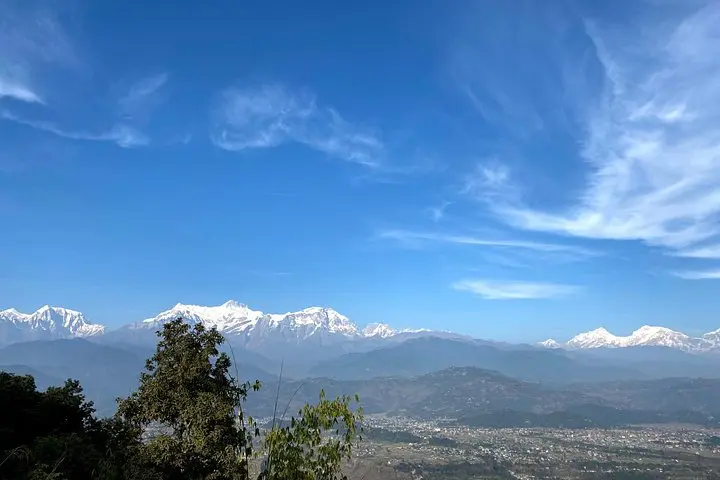
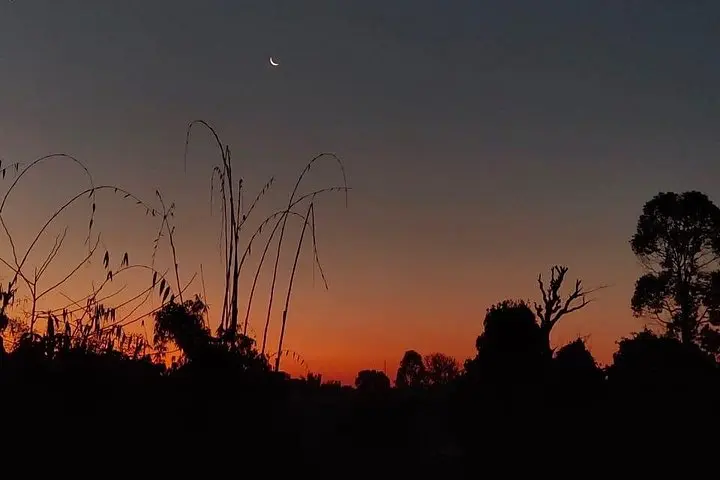
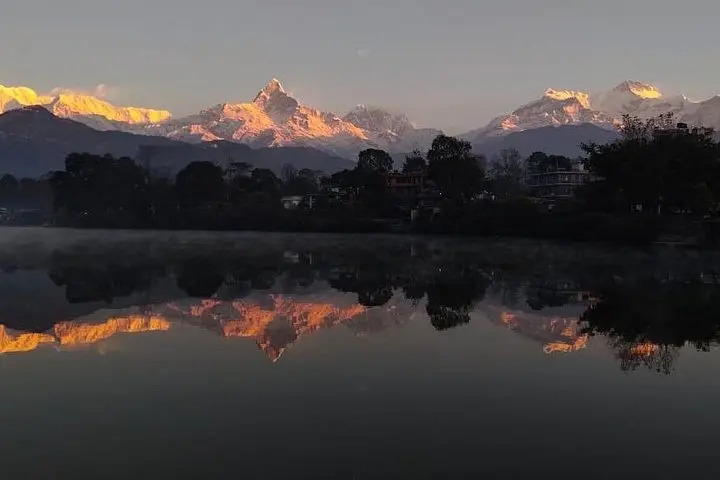
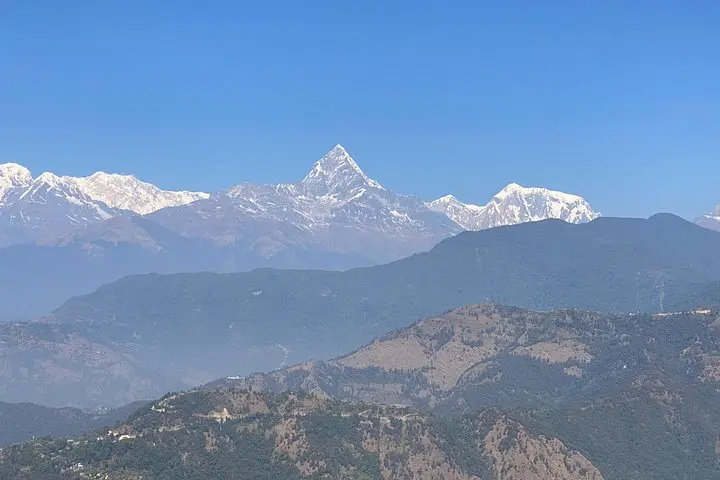
Dawn breaks over a terraced skyline as you step from a narrow Kathmandu alley into a swirl of incense and prayer flags; three days later you’re watching the Annapurna range ignite from Sarangkot, the lake at Pokhara catching the first light like a held breath.
Dawn breaks over a terraced skyline as you step from a narrow Kathmandu alley into a swirl of incense and prayer flags; three days later you’re watching the Annapurna range ignite from Sarangkot, the lake at Pokhara catching the first light like a held breath.
This itinerary stitches together the living layers of Nepal—centuries-old palaces and stupas in the Kathmandu Valley, Newar streets where wood-carved windows watch daily life, then a seven-hour tourist-bus crossing of valleys and foothills that descends toward Pokhara’s lakes and museums.
Geology and climate shape the route: Kathmandu sits on a 1,300–1,400 m valley floor of uplifted sediment; the bus ride drops toward Pokhara (≈820 m) while the Annapurna massif presides farther north. Culture alternates Hindu and Buddhist sites, royal squares and living neighborhoods where festivals and temple rituals sit in plain view.
Practical notes: the tour is private, includes hotel pickup/drop-off, an English-speaking guide and a tourist-bus transfer (planned ≈6–7 hours). Many palace and temple sites have separate admission fees; Sarangkot requires an early start for reliable sunrise views. Wheelchair access and easy physical demands are noted, but expect uneven pavement and steps at heritage sites.
Bring layers for cool mornings, sun protection at lakeside, and a refillable bottle for the bus. Time your visit outside monsoon months (October–November and March–April offer clearest mountain visibility). Move deliberately through crowds, give space at sacred sites, and use the bus time to watch hill villages roll by—a practical corridor between two very different faces of Nepal.