THE ADVENTURE COLLECTIVE® · Independent discovery and booking for outdoor travel

A compact six-day loop from Kathmandu to Pokhara combining UNESCO heritage, Himalayan viewpoints and lakeside calm. This tour pairs urban cultural immersion with mountain panoramas, ideal for travelers who want easy access to Nepal’s major sights in one itinerary.
A compact six-day loop from Kathmandu to Pokhara combining UNESCO heritage, Himalayan viewpoints and lakeside calm. This tour pairs urban cultural immersion with mountain panoramas, ideal for travelers who want easy access to Nepal’s major sights in one itinerary.
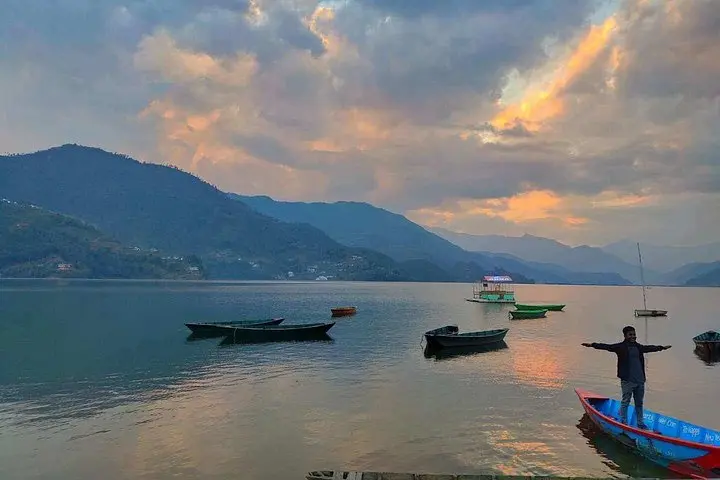
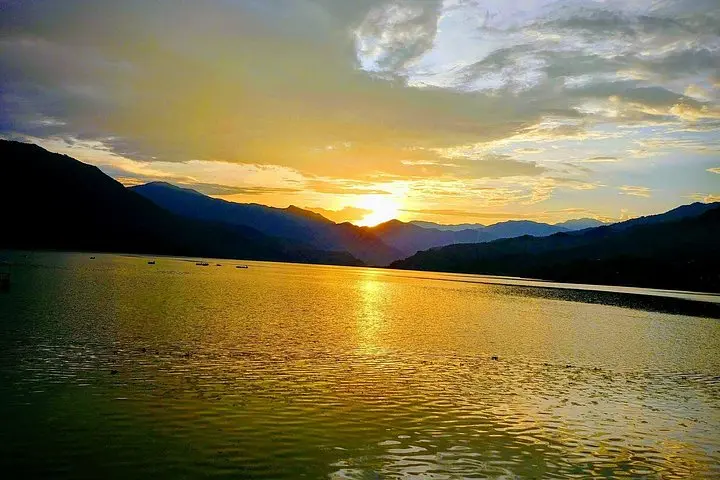
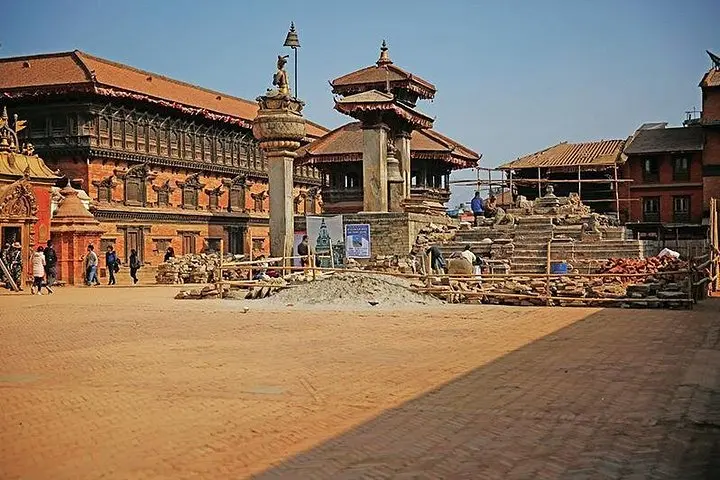
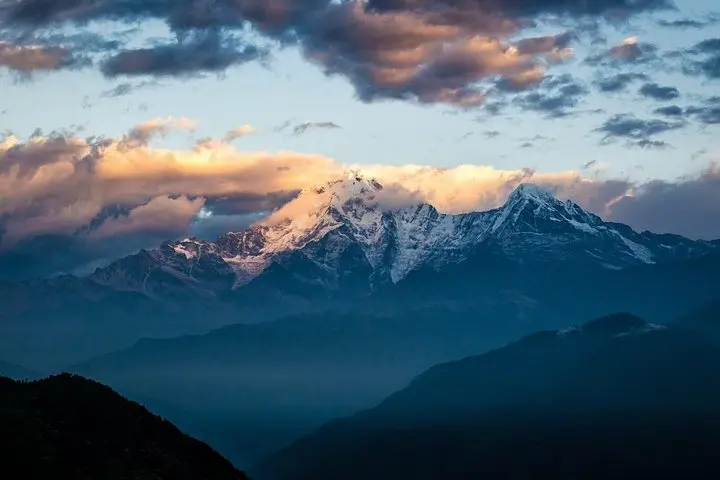
You arrive into Kathmandu’s humid air and a skein of prayer flags flutters across a narrow street—drivers navigate ancient lanes as temple bells punctuate the afternoon. The tour moves at a steady rhythm: Kathmandu’s UNESCO squares and stupas first, then a winding drive west to Pokhara where Fewa Lake mirrors the high ridgelines and the Annapurna massif watches like an indifferent guardian.
Verified experiences and guided adventures in the surrounding area.
Operated by himalayan sanctuary adventure private limited · Kathmandu, Bagmati Province
You arrive into Kathmandu’s humid air and a skein of prayer flags flutters across a narrow street—drivers navigate ancient lanes as temple bells punctuate the afternoon. The tour moves at a steady rhythm: Kathmandu’s UNESCO squares and stupas first, then a winding drive west to Pokhara where Fewa Lake mirrors the high ridgelines and the Annapurna massif watches like an indifferent guardian.
Kathmandu Valley carries layers of history: Newar palaces in Patan, the burned-gold pagodas of Pashupatinath with rituals on the Bagmati, and Swayambhunath’s eyes surveying a basin formed from an ancient lake. Geologically, the route skirts the southern flanks of the Himalaya’s young folds; uplifted limestone and steep river gorges give way to glaciated peaks glimpsed on clear mornings.
Culturally, expect living religion—Buddhist mani walls, Hindu cremation ghats, Tibetan refugee markets—and a street-food culture that’s direct and flavorful. In Pokhara, boating on Phewa Lake and an early-morning climb to Sarangkot for sunrise turns mountain silhouettes into crisp, testy outlines against the sky.
Practical guidance: the trip is largely road- and city-based with short walks—good walking shoes and layered clothing are key. Hydrate on drives, carry local rupees for small admissions and tips, and plan sunrise at Sarangkot for the clearest mountain views. Respect temple rules: cover shoulders and remove shoes where indicated. If you’re sensitive to long drives, request extra stops—the route offers viewpoints and tea stalls that beckon like brief refuges.
This listing specifies a private tour with transportation and local guide included for the booking party.
The itinerary lists sightseeing and transfers; local entry fees or special permits for heritage sites may not be included—carry cash for admissions.
Expect roughly 5–7 hours by road depending on traffic and stops; air transfers are available separately if you prefer a flight.
The tour is suitable for most fitness levels—activities are short walks, boat rides and scenic drives rather than strenuous trekking.
himalayan sanctuary adventure private limited operates guided outdoor trips and adventures with an emphasis on safety, stewardship, and memorable experiences.
You arrive into Kathmandu’s humid air and a skein of prayer flags flutters across a narrow street—drivers navigate ancient lanes as temple bells punctuate the afternoon. The tour moves at a steady rhythm: Kathmandu’s UNESCO squares and stupas first, then a winding drive west to Pokhara where Fewa Lake mirrors the high ridgelines and the Annapurna massif watches like an indifferent guardian.
You arrive into Kathmandu’s humid air and a skein of prayer flags flutters across a narrow street—drivers navigate ancient lanes as temple bells punctuate the afternoon. The tour moves at a steady rhythm: Kathmandu’s UNESCO squares and stupas first, then a winding drive west to Pokhara where Fewa Lake mirrors the high ridgelines and the Annapurna massif watches like an indifferent guardian.
Kathmandu Valley carries layers of history: Newar palaces in Patan, the burned-gold pagodas of Pashupatinath with rituals on the Bagmati, and Swayambhunath’s eyes surveying a basin formed from an ancient lake. Geologically, the route skirts the southern flanks of the Himalaya’s young folds; uplifted limestone and steep river gorges give way to glaciated peaks glimpsed on clear mornings.
Culturally, expect living religion—Buddhist mani walls, Hindu cremation ghats, Tibetan refugee markets—and a street-food culture that’s direct and flavorful. In Pokhara, boating on Phewa Lake and an early-morning climb to Sarangkot for sunrise turns mountain silhouettes into crisp, testy outlines against the sky.
Practical guidance: the trip is largely road- and city-based with short walks—good walking shoes and layered clothing are key. Hydrate on drives, carry local rupees for small admissions and tips, and plan sunrise at Sarangkot for the clearest mountain views. Respect temple rules: cover shoulders and remove shoes where indicated. If you’re sensitive to long drives, request extra stops—the route offers viewpoints and tea stalls that beckon like brief refuges.