THE ADVENTURE COLLECTIVE® · Independent discovery and booking for outdoor travel

Escape Kathmandu for a half-day of Class II–III rafting on the Trisuli River: lively rapids, riverside lunch and scenic farmland views. Ideal for first-timers and intermediate paddlers seeking a quick adrenaline fix with minimal logistics.
Escape Kathmandu for a half-day of Class II–III rafting on the Trisuli River: lively rapids, riverside lunch and scenic farmland views. Ideal for first-timers and intermediate paddlers seeking a quick adrenaline fix with minimal logistics.
You queue into the van at dawn in Kathmandu, the city slipping behind as terraced hills and rippling rice fields sharpen into the valley where the Trisuli River runs fast and clear. The river greets you with a chatter of stones and current — it nudges, teases, then pushes you through a sequence of Class II–III rapids that are lively without being unmanageable.
Verified experiences and guided adventures in the surrounding area.
Operated by Peak to Peak Tours and Treks Pvt Ltd · Trisuli, Bagmati Province
You queue into the van at dawn in Kathmandu, the city slipping behind as terraced hills and rippling rice fields sharpen into the valley where the Trisuli River runs fast and clear. The river greets you with a chatter of stones and current — it nudges, teases, then pushes you through a sequence of Class II–III rapids that are lively without being unmanageable.
Geology here is recent Himalayan uplift: steep shale and sandstone slopes funnel melt and monsoon runoff into riffles and pocket waves. Culturally, villages along the banks are agricultural, with stone houses and roadside tea stalls; guides often point out small temples and wayside shrines that mark river crossings and historic trade routes.
On a typical day trip you’ll be picked up in Kathmandu and driven 1.5–2 hours to the put-in. The rafting section runs roughly 8–12 km of river, taking about 2–3 hours on the water depending on flow; elevation drops are moderate, producing the continuous but paddleable rapids that suit beginners and intermediates.
Practical guidance: arrive with a light, quick-dry base layer, closed-toe water shoes, and a small dry bag for your phone. Guides supply helmets, life jackets and paddles and will run a safety briefing before launch. Expect a riverside lunch — usually dal, rice and local curry — and allow 4–6 hours total for the excursion including transport.
Timing matters: spring and fall typically offer the best balance of water level and visibility; monsoon summer raises flows and can make sections more demanding. Hydrate before you go, listen closely during the briefing, and treat the Trisuli as a lively partner: responsive, playful, and always moving.
The on-water section is typically 8–12 km and takes about 2–3 hours, depending on river flow.
No—this trip suits beginners and intermediates; guides provide instruction and safety gear before launch.
Price normally covers hotel pickup, transport, safety gear (helmet, life jacket, paddle), professional guides, and a riverside lunch.
Monsoon season raises water levels and can change difficulty; cancelation policies vary but this product allows full refunds if canceled at least 24 hours before departure.
Peak to Peak Tours and Treks Pvt Ltd operates guided outdoor trips and adventures with an emphasis on safety, stewardship, and memorable experiences.
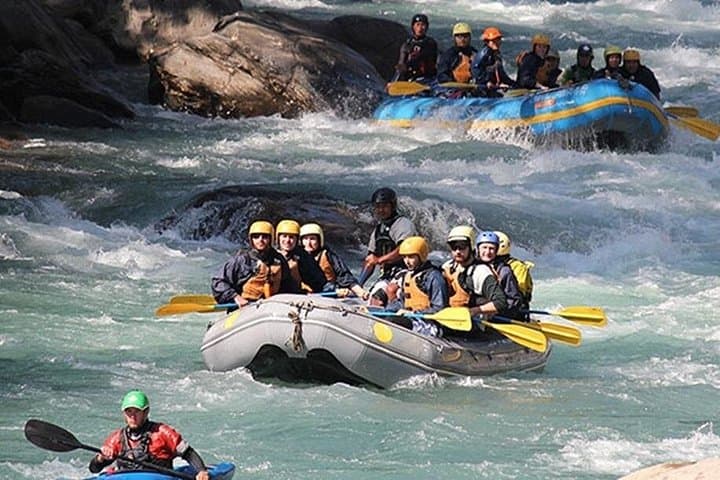
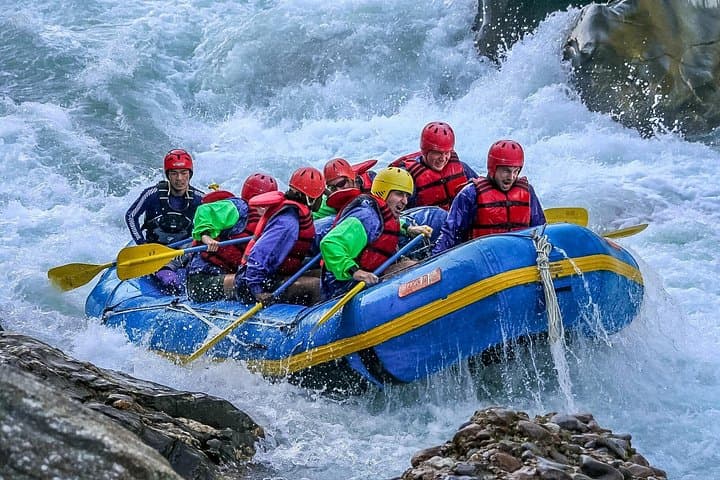
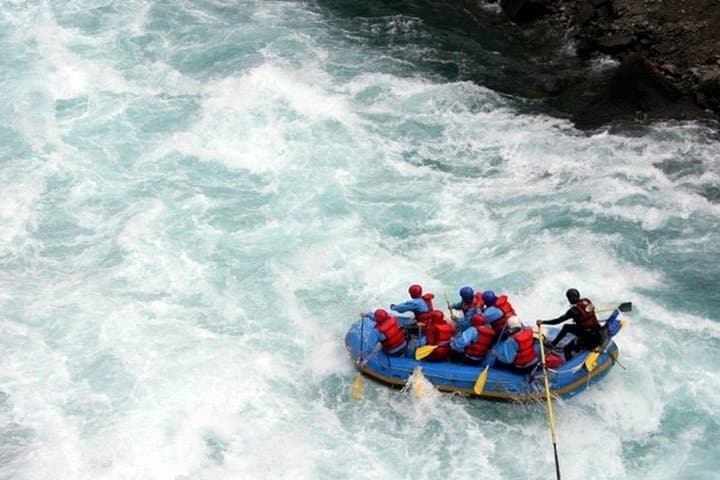
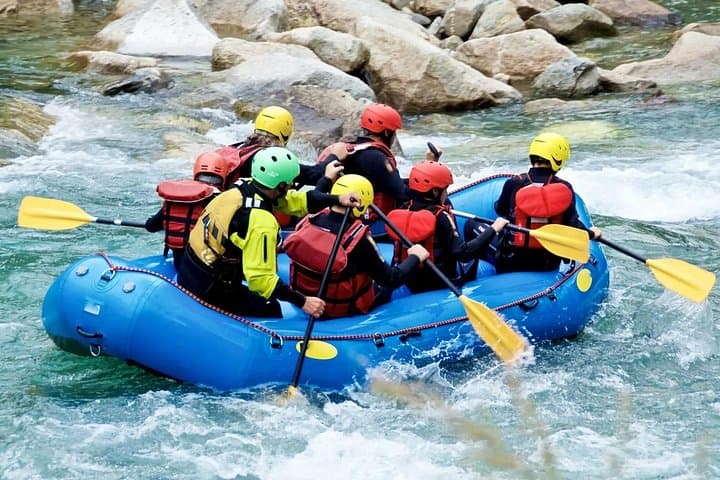
You queue into the van at dawn in Kathmandu, the city slipping behind as terraced hills and rippling rice fields sharpen into the valley where the Trisuli River runs fast and clear. The river greets you with a chatter of stones and current — it nudges, teases, then pushes you through a sequence of Class II–III rapids that are lively without being unmanageable.
You queue into the van at dawn in Kathmandu, the city slipping behind as terraced hills and rippling rice fields sharpen into the valley where the Trisuli River runs fast and clear. The river greets you with a chatter of stones and current — it nudges, teases, then pushes you through a sequence of Class II–III rapids that are lively without being unmanageable.
Geology here is recent Himalayan uplift: steep shale and sandstone slopes funnel melt and monsoon runoff into riffles and pocket waves. Culturally, villages along the banks are agricultural, with stone houses and roadside tea stalls; guides often point out small temples and wayside shrines that mark river crossings and historic trade routes.
On a typical day trip you’ll be picked up in Kathmandu and driven 1.5–2 hours to the put-in. The rafting section runs roughly 8–12 km of river, taking about 2–3 hours on the water depending on flow; elevation drops are moderate, producing the continuous but paddleable rapids that suit beginners and intermediates.
Practical guidance: arrive with a light, quick-dry base layer, closed-toe water shoes, and a small dry bag for your phone. Guides supply helmets, life jackets and paddles and will run a safety briefing before launch. Expect a riverside lunch — usually dal, rice and local curry — and allow 4–6 hours total for the excursion including transport.
Timing matters: spring and fall typically offer the best balance of water level and visibility; monsoon summer raises flows and can make sections more demanding. Hydrate before you go, listen closely during the briefing, and treat the Trisuli as a lively partner: responsive, playful, and always moving.