THE ADVENTURE COLLECTIVE® · Independent discovery and booking for outdoor travel

In one focused day you can visit Kathmandu’s three UNESCO treasures—Boudhanath Stupa, Pashupatinath Temple and Bhaktapur Durbar Square—by private car with a local guide. This practical loop combines easy walking with deep cultural insight.
In one focused day you can visit Kathmandu’s three UNESCO treasures—Boudhanath Stupa, Pashupatinath Temple and Bhaktapur Durbar Square—by private car with a local guide. This practical loop combines easy walking with deep cultural insight.
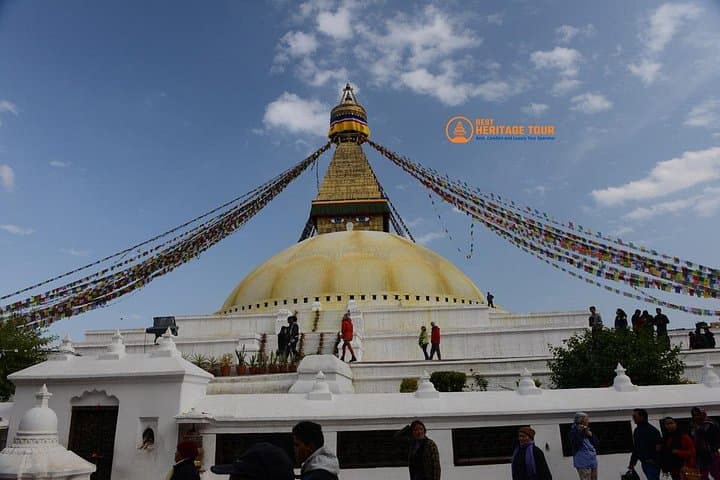
You step out of the cool air-conditioned vehicle into a courtyard of spinning prayer wheels; incense smoke threads through the morning light while tibetan pilgrims circle the dome of Boudhanath. The city’s sounds—bells, traffic, traders—frame an intense, compact day that moves between sacred courtyards, riverbanks where rites are performed, and the carved plazas of Bhaktapur.
Verified experiences and guided adventures in the surrounding area.
Operated by Best Heritage Tours · Kathmandu, Bagmati Province
You step out of the cool air-conditioned vehicle into a courtyard of spinning prayer wheels; incense smoke threads through the morning light while tibetan pilgrims circle the dome of Boudhanath. The city’s sounds—bells, traffic, traders—frame an intense, compact day that moves between sacred courtyards, riverbanks where rites are performed, and the carved plazas of Bhaktapur.
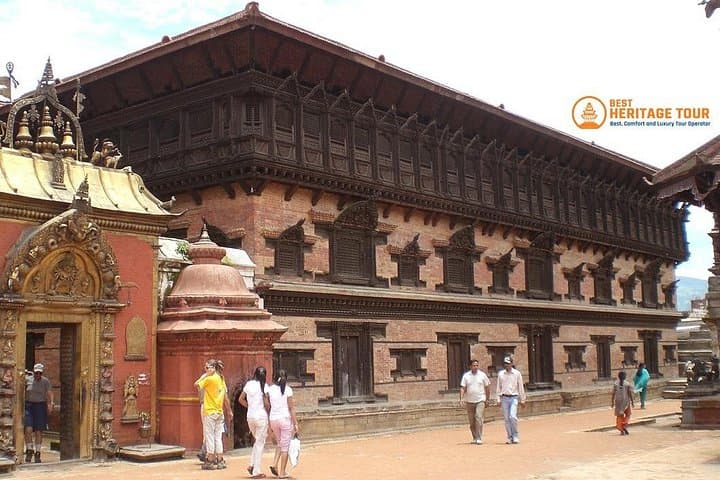
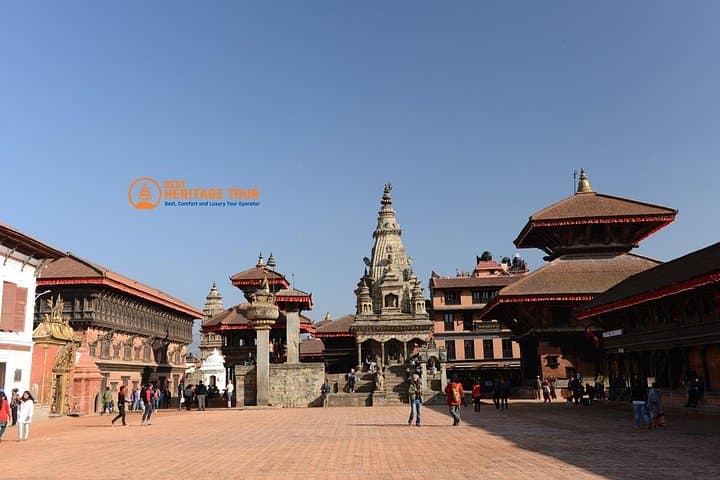
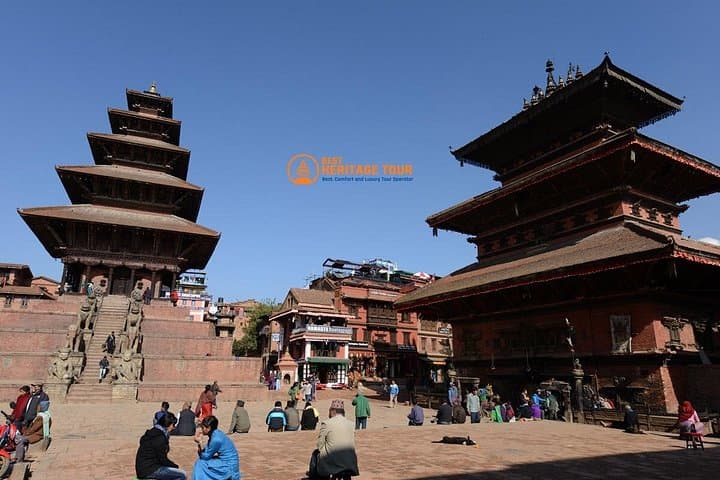
Kathmandu Valley sits in an intermontane basin once filled by an ancient lake; that bowl-like topography concentrated centuries of settlement and sculpted a dense cluster of temples and palaces. Boudhanath’s massive stupa is a focal point of Tibetan Buddhism in Nepal, while Pashupatinath on the Bagmati River is one of Shiva’s principal shrines; Bhaktapur preserves medieval Newar architecture and crafts, especially pottery and wood carving.
This private, guided circuit covers those three UNESCO sites with entry fees and transport included. Expect paved courtyards, stone steps, occasional steep lanes in Bhaktapur, and riverside paths at Pashupatinath. Cultural etiquette matters: remove shoes at shrines, dress modestly, and ask before photographing rituals.
Plan for a full day (most groups take 6–8 hours). Carry water, a small towel, sun protection, and modest clothing that can be layered. Mornings are quieter at major sites; afternoons bring busier crowds and stronger sun. Your guide will navigate entrances and explain iconography, making this one-day loop both efficient and rich—an accessible way to experience Kathmandu’s layered spirituality and durable craftsmanship without having to map every turn yourself.
Most private tours last 6–8 hours door-to-door from Thamel, though operators may offer shorter or longer options.
Yes; the itinerary involves light walking and vehicle transfers. Inform the operator about mobility needs for tailored pacing.
Photography rules vary—outside and general courtyards are usually fine, but always ask before photographing inside shrines or rituals; respect signs and priests' instructions.
Best Heritage Tours operates guided outdoor trips and adventures with an emphasis on safety, stewardship, and memorable experiences.
You step out of the cool air-conditioned vehicle into a courtyard of spinning prayer wheels; incense smoke threads through the morning light while tibetan pilgrims circle the dome of Boudhanath. The city’s sounds—bells, traffic, traders—frame an intense, compact day that moves between sacred courtyards, riverbanks where rites are performed, and the carved plazas of Bhaktapur.
You step out of the cool air-conditioned vehicle into a courtyard of spinning prayer wheels; incense smoke threads through the morning light while tibetan pilgrims circle the dome of Boudhanath. The city’s sounds—bells, traffic, traders—frame an intense, compact day that moves between sacred courtyards, riverbanks where rites are performed, and the carved plazas of Bhaktapur.
Kathmandu Valley sits in an intermontane basin once filled by an ancient lake; that bowl-like topography concentrated centuries of settlement and sculpted a dense cluster of temples and palaces. Boudhanath’s massive stupa is a focal point of Tibetan Buddhism in Nepal, while Pashupatinath on the Bagmati River is one of Shiva’s principal shrines; Bhaktapur preserves medieval Newar architecture and crafts, especially pottery and wood carving.
This private, guided circuit covers those three UNESCO sites with entry fees and transport included. Expect paved courtyards, stone steps, occasional steep lanes in Bhaktapur, and riverside paths at Pashupatinath. Cultural etiquette matters: remove shoes at shrines, dress modestly, and ask before photographing rituals.
Plan for a full day (most groups take 6–8 hours). Carry water, a small towel, sun protection, and modest clothing that can be layered. Mornings are quieter at major sites; afternoons bring busier crowds and stronger sun. Your guide will navigate entrances and explain iconography, making this one-day loop both efficient and rich—an accessible way to experience Kathmandu’s layered spirituality and durable craftsmanship without having to map every turn yourself.