THE ADVENTURE COLLECTIVE® · Independent discovery and booking for outdoor travel

See Kathmandu’s four UNESCO World Heritage sites in one practical day: Durbar Square’s carved palaces, Swayambhunath’s hilltop stupa and monkeys, the riverside rituals at Pashupatinath, and the immense Boudhanath stupa. Expect short walks, cultural context, and a private vehicle for efficient sightseeing.
See Kathmandu’s four UNESCO World Heritage sites in one practical day: Durbar Square’s carved palaces, Swayambhunath’s hilltop stupa and monkeys, the riverside rituals at Pashupatinath, and the immense Boudhanath stupa. Expect short walks, cultural context, and a private vehicle for efficient sightseeing.
Morning light slides over brick and timber as a private vehicle eases into the crowded arteries of central Kathmandu. You step out into the pulse of a city where incense smoke, temple bells and the chatter of street vendors form a practical soundtrack to history.
Verified experiences and guided adventures in the surrounding area.
Operated by Himalayan Luxury Holidays Pvt. Ltd. · Kathmandu, Bagmati Province
Morning light slides over brick and timber as a private vehicle eases into the crowded arteries of central Kathmandu. You step out into the pulse of a city where incense smoke, temple bells and the chatter of street vendors form a practical soundtrack to history.
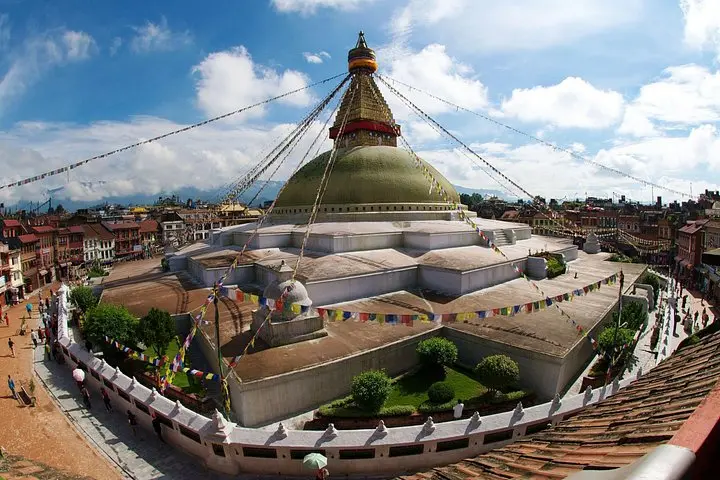
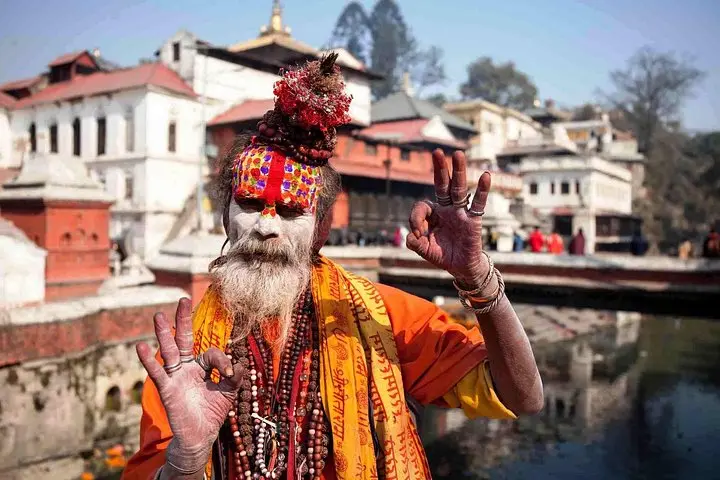
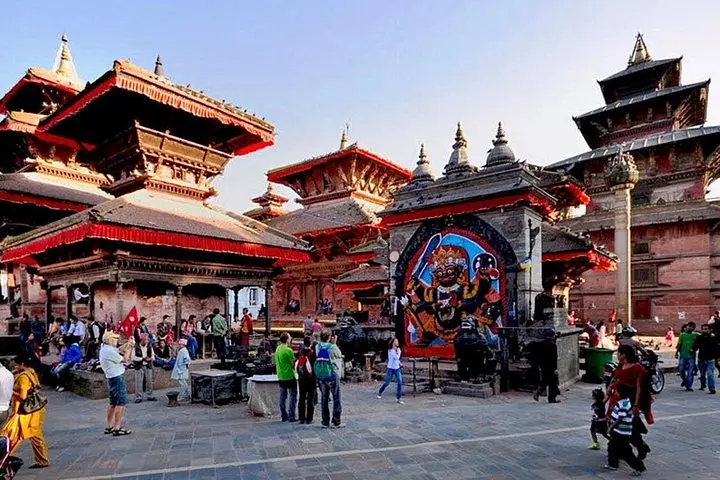
The itinerary moves through four UNESCO-listed corners of the valley: the palace complexes of Kathmandu Durbar Square, the hilltop Swayambhunath stupa with its watchful eyes and resident macaques, the riverside sanctity of Pashupatinath where Hindu cremation rites continue openly along the Bagmati, and Boudhanath — a vast white stupa crowned by fluttering prayer flags.
Geologically the valley sits in a sedimentary bowl ringed by low hills; culturally it’s where Hindu and Buddhist practices overlap and inform daily life. Many structures at Durbar Square are under careful restoration after the 2015 earthquakes; guides will point out carved windows, royal courtyards and living traditions like the Kumari (living goddess) shrine.
Practical edge: the full circuit runs about 5–6 hours with short walks at each stop and hotel pickup by A/C private vehicle. Entrance fees are paid on-site (around NPR 2,800 total per person currently); bring modest clothing for temple visits, a dust mask for traffic-heavy streets, and comfortable shoes. Plan mornings to avoid afternoon crowds and allow time for respectful observation at Pashupatinath — photography and behavior are sensitive here.
This day tour is a compact, layered introduction to Kathmandu: active, instructive and rooted in places that still host daily ritual.
No—entrance fees (approximately NPR 2,800 per person at time of booking) are paid on-site unless otherwise stated by the operator.
Yes—it's rated easy with short walks, though expect steps at Swayambhunath and some standing at Pashupatinath; request gentle pacing if needed.
Photography is allowed in many areas but is restricted around certain rituals and inside some shrines; be especially cautious at Pashupatinath and always ask permission before photographing people.
Yes—cremation rites take place openly along the Bagmati River; visitors should be respectful, avoid intrusive photography and follow guide instructions.
Himalayan Luxury Holidays Pvt. Ltd. operates guided outdoor trips and adventures with an emphasis on safety, stewardship, and memorable experiences.
Morning light slides over brick and timber as a private vehicle eases into the crowded arteries of central Kathmandu. You step out into the pulse of a city where incense smoke, temple bells and the chatter of street vendors form a practical soundtrack to history.
Morning light slides over brick and timber as a private vehicle eases into the crowded arteries of central Kathmandu. You step out into the pulse of a city where incense smoke, temple bells and the chatter of street vendors form a practical soundtrack to history.
The itinerary moves through four UNESCO-listed corners of the valley: the palace complexes of Kathmandu Durbar Square, the hilltop Swayambhunath stupa with its watchful eyes and resident macaques, the riverside sanctity of Pashupatinath where Hindu cremation rites continue openly along the Bagmati, and Boudhanath — a vast white stupa crowned by fluttering prayer flags.
Geologically the valley sits in a sedimentary bowl ringed by low hills; culturally it’s where Hindu and Buddhist practices overlap and inform daily life. Many structures at Durbar Square are under careful restoration after the 2015 earthquakes; guides will point out carved windows, royal courtyards and living traditions like the Kumari (living goddess) shrine.
Practical edge: the full circuit runs about 5–6 hours with short walks at each stop and hotel pickup by A/C private vehicle. Entrance fees are paid on-site (around NPR 2,800 total per person currently); bring modest clothing for temple visits, a dust mask for traffic-heavy streets, and comfortable shoes. Plan mornings to avoid afternoon crowds and allow time for respectful observation at Pashupatinath — photography and behavior are sensitive here.
This day tour is a compact, layered introduction to Kathmandu: active, instructive and rooted in places that still host daily ritual.