THE ADVENTURE COLLECTIVE® · Independent discovery and booking for outdoor travel

Spend a day tracing the green rim of Kathmandu Valley—Nagarjun, Shivapuri and Phulchoki—searching for endemic and migratory birds with a local guide. Expect forested trails, temple-side viewpoints, and a rich mix of birdlife on a 4–9 hour mindful birding hike.
Spend a day tracing the green rim of Kathmandu Valley—Nagarjun, Shivapuri and Phulchoki—searching for endemic and migratory birds with a local guide. Expect forested trails, temple-side viewpoints, and a rich mix of birdlife on a 4–9 hour mindful birding hike.
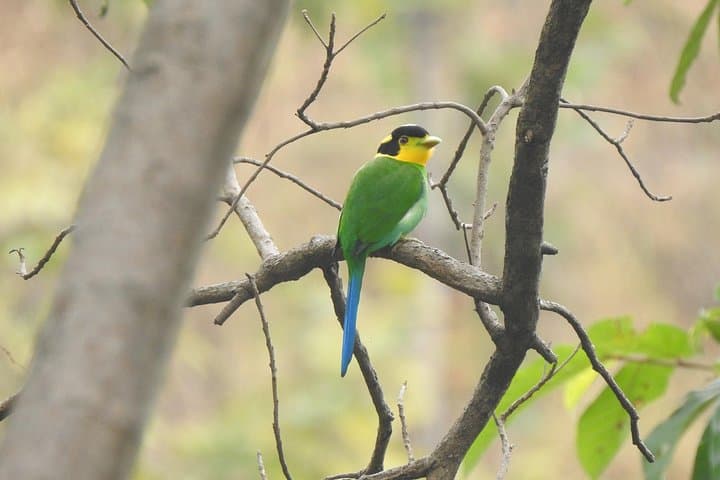
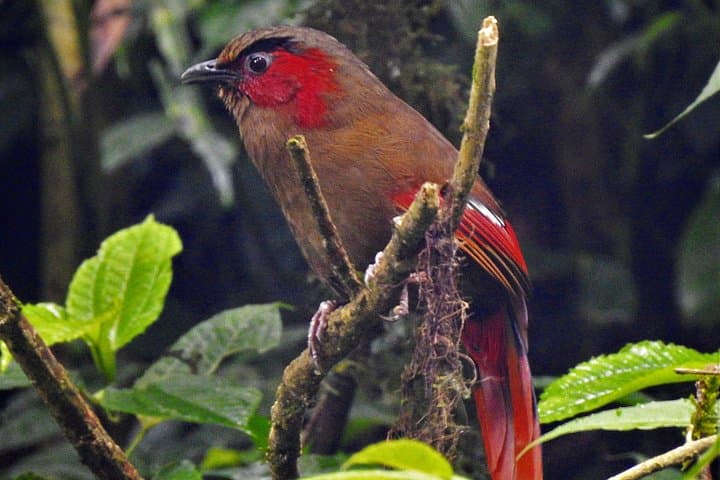
You start before dawn on a narrow ridge above the valley, the city lights shrinking behind you and a cold, bird-cut air filling your lungs. Calls and whistles stitch the forest together—warblers, bulbuls, and the rare Spiny Babbler breaking into the chorus—while terraces and temple roofs spread out below and the Himalaya loom pale on the northern horizon.
Verified experiences and guided adventures in the surrounding area.
Operated by Samsara Trekking · Kathmandu, Bagmati Province
You start before dawn on a narrow ridge above the valley, the city lights shrinking behind you and a cold, bird-cut air filling your lungs. Calls and whistles stitch the forest together—warblers, bulbuls, and the rare Spiny Babbler breaking into the chorus—while terraces and temple roofs spread out below and the Himalaya loom pale on the northern horizon.
This day hike visits the green rim of the Kathmandu Valley: Nagarjun, Shivapuri, Phulchoki and smaller hills like Champadevi and Sundarijal. Geologically the valley sits in a bowl of river-deposited plains uplifted against younger Himalayan foothills; the surrounding hills are patches of mid-hill forest and scrub that support both resident and migratory species. Culturally, these slopes have been pathways between Newar settlements and hill shrines for centuries—walks often pass monasteries, small temples and seasonal farming plots.
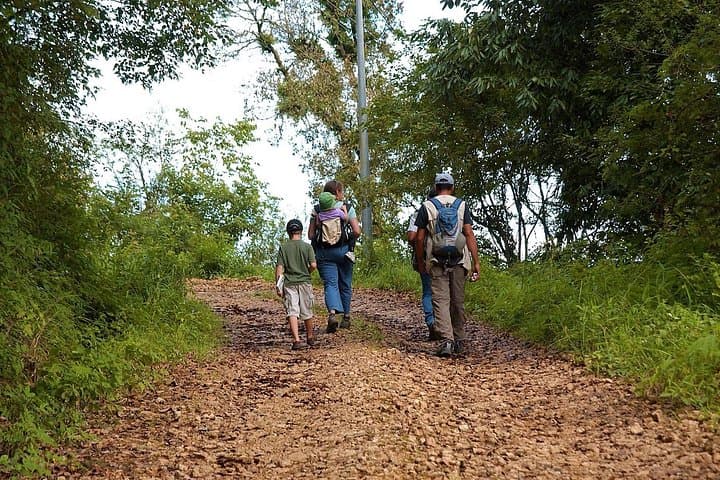
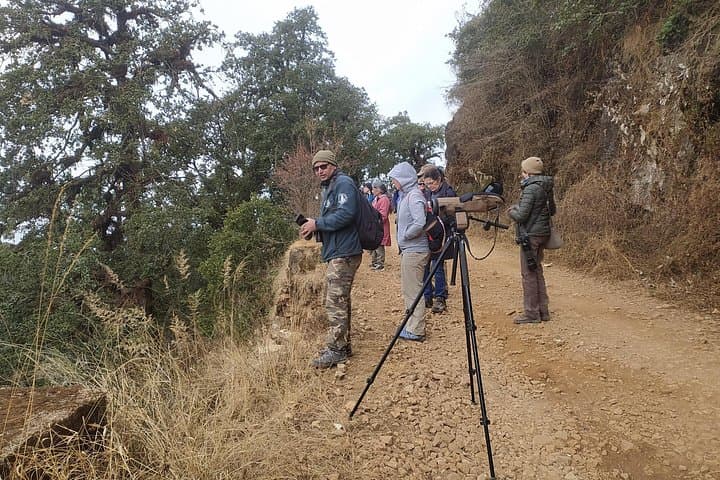
Practically, expect forested singletrack, occasional stone stair sections and short climbs of a few hundred metres in elevation gain depending on the route. The tour runs 4–9 hours with private transport and a local guide; it’s suitable for families and students but can feel long for very young children. Bring binoculars, layered clothing for chilly mornings, water and snacks, and a lightweight rain shell in the monsoon months. Start early for the best bird activity, keep noise low, and follow your guide when searching thorny scrub for endemic species. With careful pacing this is an accessible, wildlife-rich way to read Kathmandu’s hills by ear and eye.
No—tours welcome beginners; guides will help with identification and behaviour while tailoring pace to the group.
Most trails around the valley are open to day visitors; parks like Shivapuri may have entrance fees—your operator typically handles permits and transport.
Early morning is best for active songbirds and migrants; late afternoon can also be productive for raptors and forest species.
Yes—routes can be family-friendly, but choose shorter itineraries if traveling with very young children and check fitness notes with the operator.
Samsara Trekking operates guided outdoor trips and adventures with an emphasis on safety, stewardship, and memorable experiences.
You start before dawn on a narrow ridge above the valley, the city lights shrinking behind you and a cold, bird-cut air filling your lungs. Calls and whistles stitch the forest together—warblers, bulbuls, and the rare Spiny Babbler breaking into the chorus—while terraces and temple roofs spread out below and the Himalaya loom pale on the northern horizon.
You start before dawn on a narrow ridge above the valley, the city lights shrinking behind you and a cold, bird-cut air filling your lungs. Calls and whistles stitch the forest together—warblers, bulbuls, and the rare Spiny Babbler breaking into the chorus—while terraces and temple roofs spread out below and the Himalaya loom pale on the northern horizon.
This day hike visits the green rim of the Kathmandu Valley: Nagarjun, Shivapuri, Phulchoki and smaller hills like Champadevi and Sundarijal. Geologically the valley sits in a bowl of river-deposited plains uplifted against younger Himalayan foothills; the surrounding hills are patches of mid-hill forest and scrub that support both resident and migratory species. Culturally, these slopes have been pathways between Newar settlements and hill shrines for centuries—walks often pass monasteries, small temples and seasonal farming plots.
Practically, expect forested singletrack, occasional stone stair sections and short climbs of a few hundred metres in elevation gain depending on the route. The tour runs 4–9 hours with private transport and a local guide; it’s suitable for families and students but can feel long for very young children. Bring binoculars, layered clothing for chilly mornings, water and snacks, and a lightweight rain shell in the monsoon months. Start early for the best bird activity, keep noise low, and follow your guide when searching thorny scrub for endemic species. With careful pacing this is an accessible, wildlife-rich way to read Kathmandu’s hills by ear and eye.