THE ADVENTURE COLLECTIVE® · Independent discovery and booking for outdoor travel

Combine Bhaktapur’s intricately carved courtyards with Nagarkot’s Himalayan outlook on a focused half-day tour. Expect cultural highlights, short walks on paved lanes, and sunrise or sunset panoramas above the Kathmandu Valley.
Combine Bhaktapur’s intricately carved courtyards with Nagarkot’s Himalayan outlook on a focused half-day tour. Expect cultural highlights, short walks on paved lanes, and sunrise or sunset panoramas above the Kathmandu Valley.
You step out of the minivan into cool mountain air as Nagarkot’s ridgeline opens to the north — a low, clean light slides across the Himalayan teeth and the wind seems to push you toward the horizon.
Verified experiences and guided adventures in the surrounding area.
Operated by Mountain Hike Nepal · Bhaktapur, Bagmati Province
You step out of the minivan into cool mountain air as Nagarkot’s ridgeline opens to the north — a low, clean light slides across the Himalayan teeth and the wind seems to push you toward the horizon.
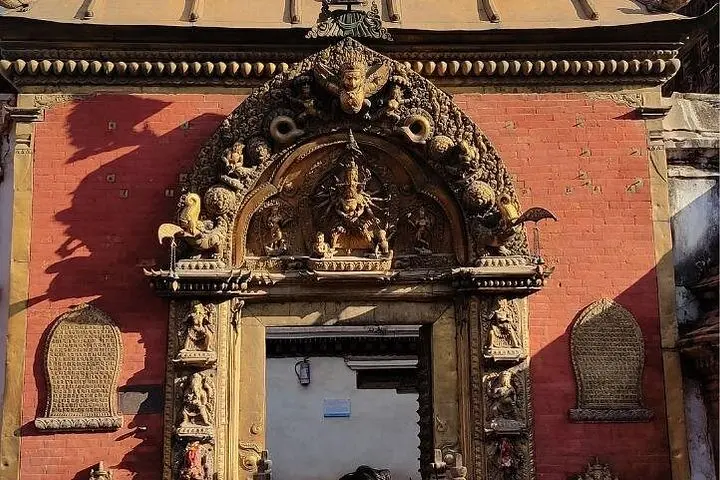
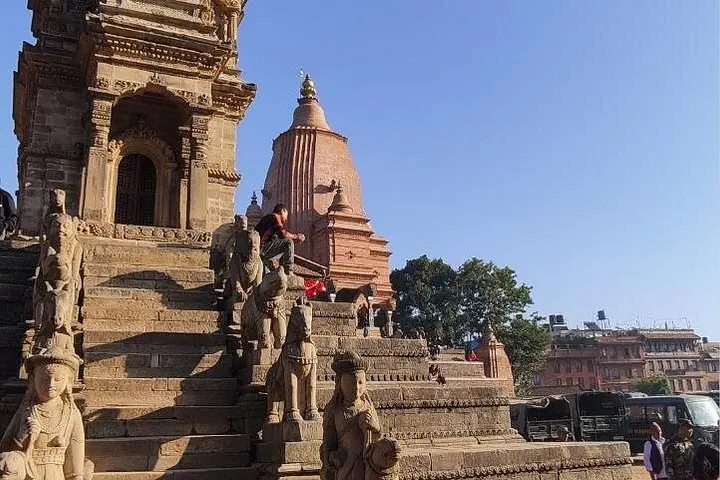
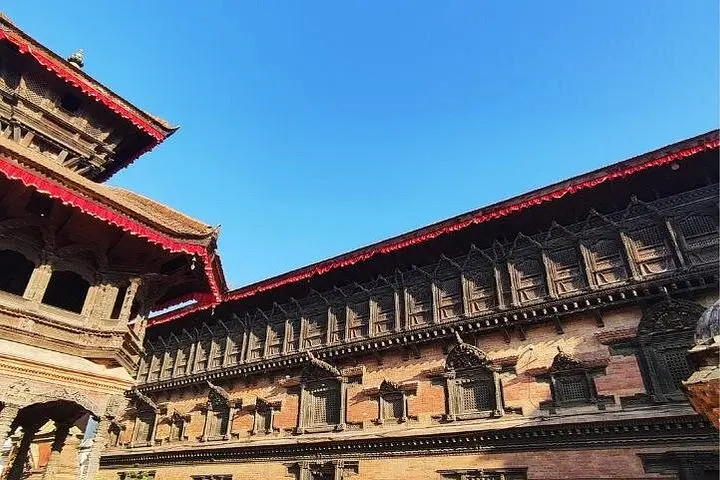
The day begins in Bhaktapur, where compact brick lanes and carved wooden windows hold the memory of Newar artisans. Bhaktapur Durbar Square, a UNESCO site, lays out royal courtyards, the five-storied Nyatapola temple and centuries-old potters’ yards; the stones and timbers record a city rebuilt and reused across earthquakes and dynasties.
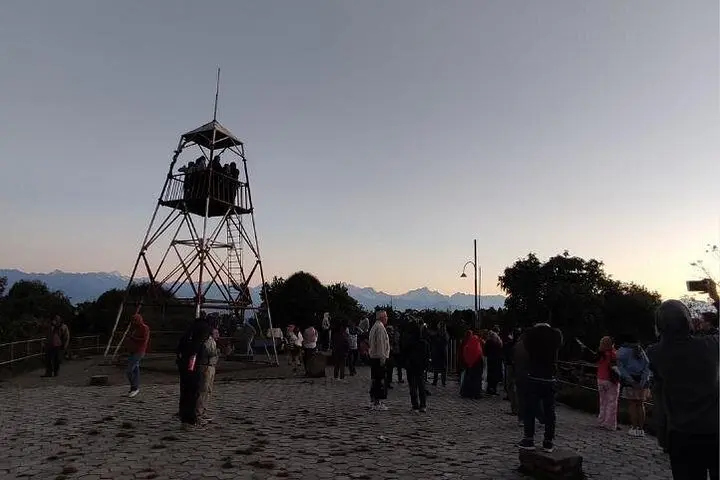
Geologically, the valley is a bowl of fluvial deposits and uplift, framed by foothills that give Nagarkot its vantage. From Nagarkot’s lookout platform the sky often reads like a weather chart: clouds spool across low ridges, and on clear mornings the Himalaya range — Ganesh, Langtang, and sometimes Everest — punctures the skyline.
Cultural rhythms are visible: early-morning prayer flags, kola-chairs at tea shops, and Newari cakes cooling on flat roofs. Local guides translate architecture, telling how guilds and kings shaped public space.
Practical guidance: allow 4–5 hours for the round trip with photography stops; sunrise adds an early start. Most walking is on paved streets and short stair sections—good sturdy shoes suffice. Carry layered clothing (temperatures drop quickly at altitude), a small daypack with water, sunscreen and cash for small temple donations and pottery purchases. Expect private transport between sites; ask your operator about exact pickup time for sunrise runs.
The tour runs about 4–5 hours, depending on traffic and whether you choose sunrise or sunset at Nagarkot.
Yes; the tour is paced with short walks and vehicle transport, but it’s not recommended for people with serious spinal or cardiovascular issues.
Tour specifics vary—confirm with the operator whether any temple admissions or viewing platform fees are included.
Everest is visible only on very clear days; Nagarkot offers panoramic Himalayan views but visibility depends on season and local weather.
Mountain Hike Nepal operates guided outdoor trips and adventures with an emphasis on safety, stewardship, and memorable experiences.
You step out of the minivan into cool mountain air as Nagarkot’s ridgeline opens to the north — a low, clean light slides across the Himalayan teeth and the wind seems to push you toward the horizon.
You step out of the minivan into cool mountain air as Nagarkot’s ridgeline opens to the north — a low, clean light slides across the Himalayan teeth and the wind seems to push you toward the horizon.
The day begins in Bhaktapur, where compact brick lanes and carved wooden windows hold the memory of Newar artisans. Bhaktapur Durbar Square, a UNESCO site, lays out royal courtyards, the five-storied Nyatapola temple and centuries-old potters’ yards; the stones and timbers record a city rebuilt and reused across earthquakes and dynasties.
Geologically, the valley is a bowl of fluvial deposits and uplift, framed by foothills that give Nagarkot its vantage. From Nagarkot’s lookout platform the sky often reads like a weather chart: clouds spool across low ridges, and on clear mornings the Himalaya range — Ganesh, Langtang, and sometimes Everest — punctures the skyline.
Cultural rhythms are visible: early-morning prayer flags, kola-chairs at tea shops, and Newari cakes cooling on flat roofs. Local guides translate architecture, telling how guilds and kings shaped public space.
Practical guidance: allow 4–5 hours for the round trip with photography stops; sunrise adds an early start. Most walking is on paved streets and short stair sections—good sturdy shoes suffice. Carry layered clothing (temperatures drop quickly at altitude), a small daypack with water, sunscreen and cash for small temple donations and pottery purchases. Expect private transport between sites; ask your operator about exact pickup time for sunrise runs.