THE ADVENTURE COLLECTIVE® · Independent discovery and booking for outdoor travel

See Kathmandu’s four signature sites in one day: Swayambhunath’s hilltop stupa, the Malla palaces of Durbar Square, the Shiva rites at Pashupatinath and the vast Boudhanath stupa. This practical full-day tour balances temple history with on-the-ground logistics.
See Kathmandu’s four signature sites in one day: Swayambhunath’s hilltop stupa, the Malla palaces of Durbar Square, the Shiva rites at Pashupatinath and the vast Boudhanath stupa. This practical full-day tour balances temple history with on-the-ground logistics.
Morning light slices through narrow alleys as your private vehicle winds from hotel-lined streets toward Basantapur and the layered rooftops of Kathmandu. The city sits on a high bowl of bricks and prayer flags; on this full-day loop you’ll trade traffic for temple steps, prayer wheels and panoramic views from a hilltop stupa.
Verified experiences and guided adventures in the surrounding area.
Operated by Nepal Social Treks and Expedition · Kathmandu, Bagmati Province
Morning light slices through narrow alleys as your private vehicle winds from hotel-lined streets toward Basantapur and the layered rooftops of Kathmandu. The city sits on a high bowl of bricks and prayer flags; on this full-day loop you’ll trade traffic for temple steps, prayer wheels and panoramic views from a hilltop stupa.
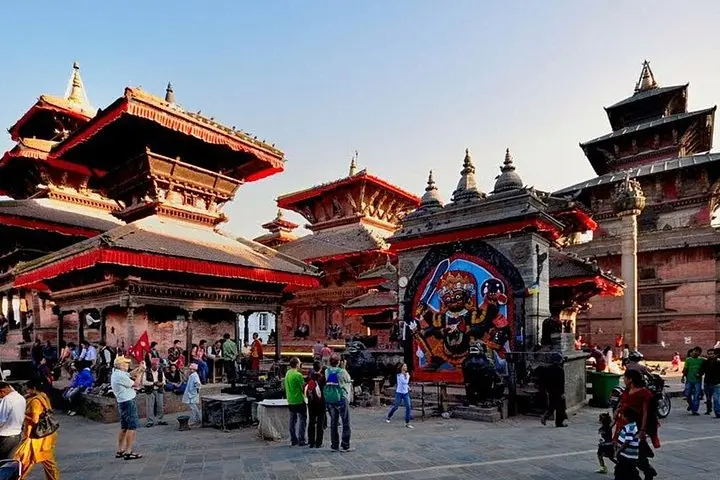
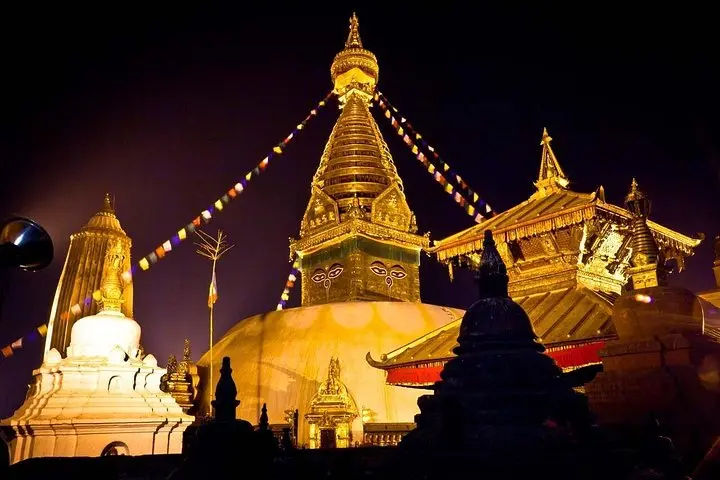
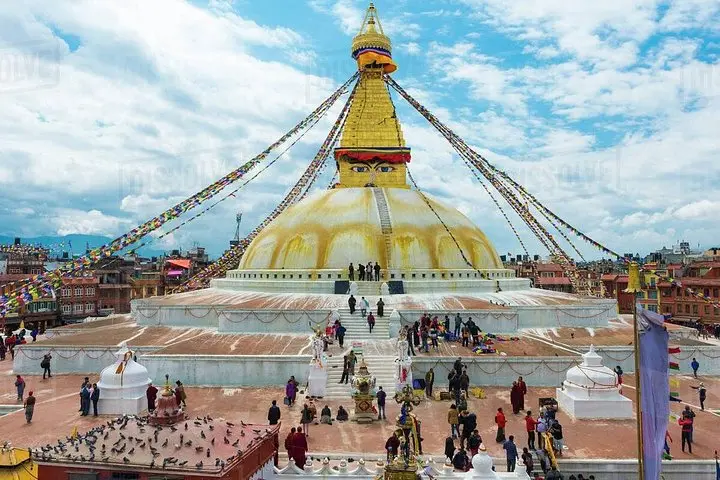
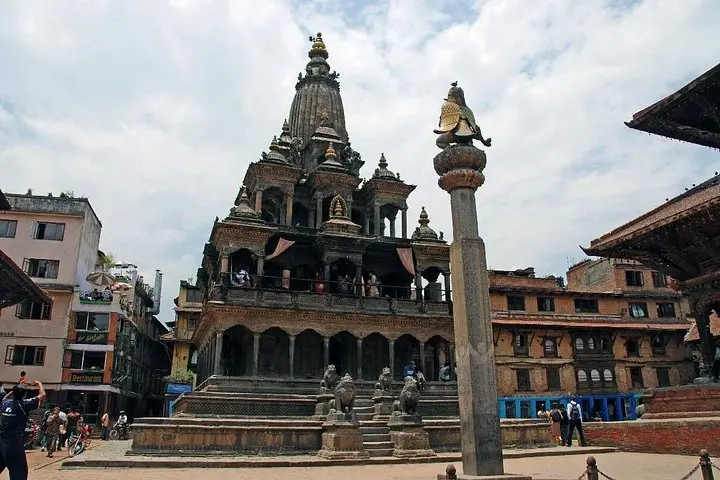
The route traces the valley’s long human story: Swayambhunath, the hilltop chaitya said to have arisen when the primordial lake drained; Kathmandu Durbar Square, a compact complex of Malla-period palaces and the Kumari’s residence; Pashupatinath, an ancient Shiva shrine on the Bagmati’s banks; and the colossal Tibetan-style Boudhanath stupa. Geology is subtle here—the bowl of the Kathmandu Valley channels winds, dust and monsoon clouds—while culture is immediate and tactile: carved wood, the brush of a monk’s robe, the metallic clack of prayer wheels.
Expect dozens of stair steps at Swayambhu, cobbled courtyards at Basantapur and crowded perimeters at Pashupatinath during ritual times. Your guide will explain Newar architecture, Buddhist iconography and ongoing conservation concerns that shape access to heritage sites.
Practical edge: tours usually start mid-morning and last most of the day with hotel pickup and private transport; wear sturdy shoes, modest clothing, and carry water and small local currency for donations or small purchases. Respect restricted areas at temples, be prepared for city traffic between sites, and pace your visit to enjoy both the monuments and the everyday life flowing around them.
Typical departures begin mid-morning and the full-day itinerary runs about 6–7 hours, depending on traffic and how long you spend at each site.
Bouddhanath admission is often included; other sites may have separate fees or restricted areas—confirm with the operator before travel.
The tour is family-friendly but Swayambhunath and some temple areas include stairs and uneven terrain; limited-mobility visitors should alert the operator for adjustments.
A local guide adds historical and cultural context and smooths navigation and etiquette at sacred sites, though independent visits are possible if you’re comfortable planning transit and entry rules.
Nepal Social Treks and Expedition operates guided outdoor trips and adventures with an emphasis on safety, stewardship, and memorable experiences.
Morning light slices through narrow alleys as your private vehicle winds from hotel-lined streets toward Basantapur and the layered rooftops of Kathmandu. The city sits on a high bowl of bricks and prayer flags; on this full-day loop you’ll trade traffic for temple steps, prayer wheels and panoramic views from a hilltop stupa.
Morning light slices through narrow alleys as your private vehicle winds from hotel-lined streets toward Basantapur and the layered rooftops of Kathmandu. The city sits on a high bowl of bricks and prayer flags; on this full-day loop you’ll trade traffic for temple steps, prayer wheels and panoramic views from a hilltop stupa.
The route traces the valley’s long human story: Swayambhunath, the hilltop chaitya said to have arisen when the primordial lake drained; Kathmandu Durbar Square, a compact complex of Malla-period palaces and the Kumari’s residence; Pashupatinath, an ancient Shiva shrine on the Bagmati’s banks; and the colossal Tibetan-style Boudhanath stupa. Geology is subtle here—the bowl of the Kathmandu Valley channels winds, dust and monsoon clouds—while culture is immediate and tactile: carved wood, the brush of a monk’s robe, the metallic clack of prayer wheels.
Expect dozens of stair steps at Swayambhu, cobbled courtyards at Basantapur and crowded perimeters at Pashupatinath during ritual times. Your guide will explain Newar architecture, Buddhist iconography and ongoing conservation concerns that shape access to heritage sites.
Practical edge: tours usually start mid-morning and last most of the day with hotel pickup and private transport; wear sturdy shoes, modest clothing, and carry water and small local currency for donations or small purchases. Respect restricted areas at temples, be prepared for city traffic between sites, and pace your visit to enjoy both the monuments and the everyday life flowing around them.