THE ADVENTURE COLLECTIVE® · Independent discovery and booking for outdoor travel

A compact four-day circuit through the cultural heart of Nepal—visit Pashupatinath, Boudhanath, Swayambhunath and the Durbar Squares, capped by a Himalayan sunrise at Nagarkot. Practical, walkable and rich with living history.
A compact four-day circuit through the cultural heart of Nepal—visit Pashupatinath, Boudhanath, Swayambhunath and the Durbar Squares, capped by a Himalayan sunrise at Nagarkot. Practical, walkable and rich with living history.
You step from the car into a city that still argues with time: incense coils rise like slow weather, temple bells answer each other across narrow lanes, and the valley’s ring of hills holds the light so the Himalaya appears as a pale promise on the horizon.
Verified experiences and guided adventures in the surrounding area.
Operated by Exciting Nepal Holidays Treks · Kathmandu, Bagmati Province
You step from the car into a city that still argues with time: incense coils rise like slow weather, temple bells answer each other across narrow lanes, and the valley’s ring of hills holds the light so the Himalaya appears as a pale promise on the horizon.
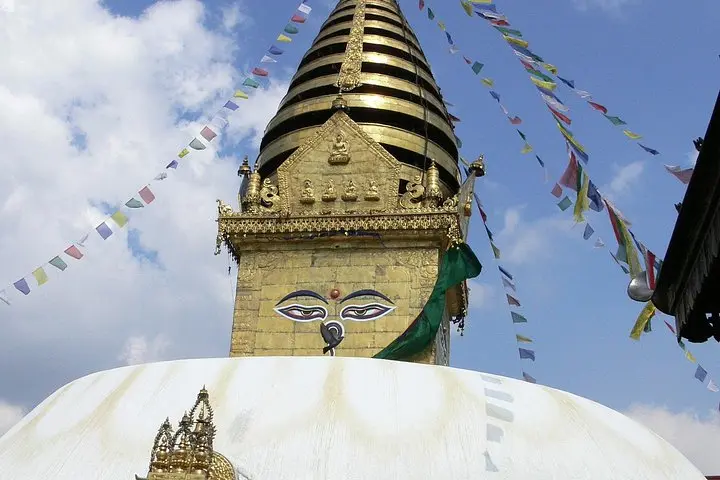
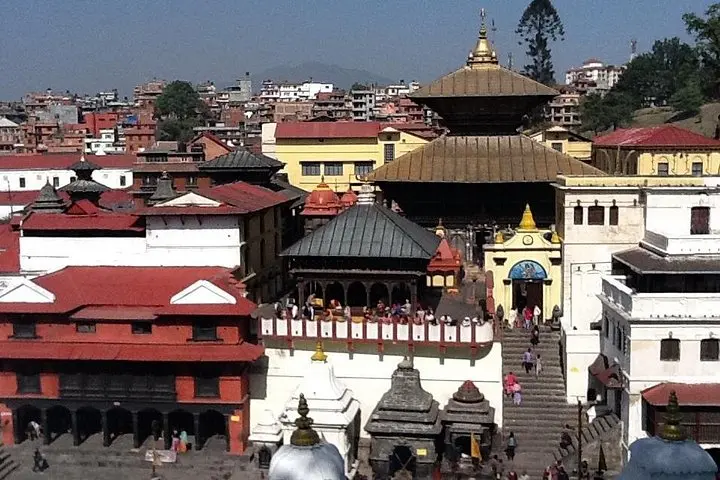
This four-day circuit moves from Pashupatinath’s riverfront cremation ghats to the colossal stupa of Boudhanath, the painted eyes of Swayambhunath, and the carved courtyards of Kathmandu, Patan and Bhaktapur Durbar Squares. Geologically the Kathmandu Valley is a sedimentary basin at roughly 1,300–1,400 m elevation, hemmed by low hills; Nagarkot, at about 2,175 m, gives one of the most accessible dawn views of the high Himalaya.
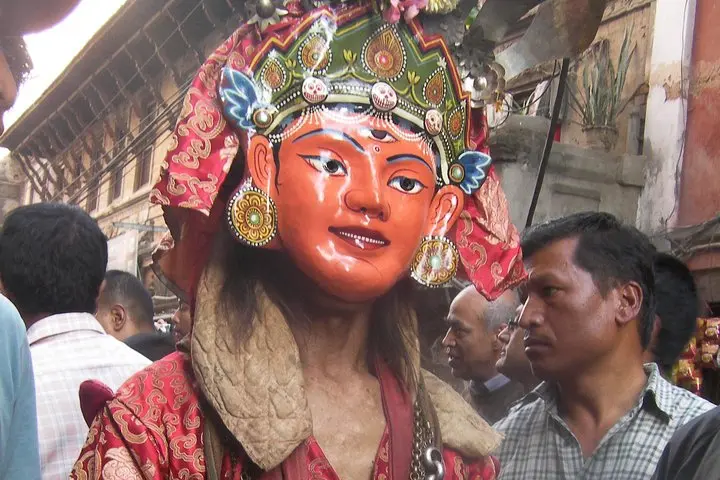
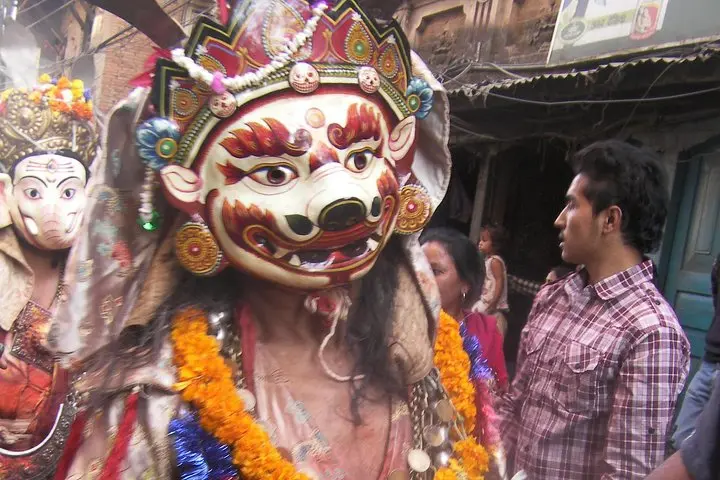
Culturally the route is Newar country: brick courtyards, tiered pagoda roofs, and artisan workshops that keep centuries-old woodcarving and bronze casting alive. Changunarayan, a UNESCO-listed hill-top temple, dates back over a millennium and offers a sharp contrast to the living urban rituals at Pashupatinath.
Plan practically: prepare for lots of walking on uneven stone, carry local currency for small shrine donations and snacks, and respect temple rules—modest dress and photography limits apply at some sites. Mornings bring the clearest mountain views; afternoons are best for museum time and cuisine sampling. Expect hotel transfers and an English-speaking guide; acclimatize gently if you plan hikes from Nagarkot. With steady shoes, a lightweight rain layer and patience for crowds, this loop is a compact, clear-eyed introduction to Kathmandu Valley’s layered history and wide-sky mountain moments.
Many nationalities can obtain a tourist visa on arrival at Tribhuvan International Airport; check current Nepal government requirements before travel.
Some monuments charge local entry fees that may not be included; your tour should note which admissions are covered—bring cash for any extra tickets.
Yes—the tour is physically easy but includes walking and stairs; request slower pacing or vehicle support for limited mobility.
October–December offer the clearest skies and stable weather; clear winter mornings also provide sharp Himalayan visibility.
Exciting Nepal Holidays Treks operates guided outdoor trips and adventures with an emphasis on safety, stewardship, and memorable experiences.
You step from the car into a city that still argues with time: incense coils rise like slow weather, temple bells answer each other across narrow lanes, and the valley’s ring of hills holds the light so the Himalaya appears as a pale promise on the horizon.
You step from the car into a city that still argues with time: incense coils rise like slow weather, temple bells answer each other across narrow lanes, and the valley’s ring of hills holds the light so the Himalaya appears as a pale promise on the horizon.
This four-day circuit moves from Pashupatinath’s riverfront cremation ghats to the colossal stupa of Boudhanath, the painted eyes of Swayambhunath, and the carved courtyards of Kathmandu, Patan and Bhaktapur Durbar Squares. Geologically the Kathmandu Valley is a sedimentary basin at roughly 1,300–1,400 m elevation, hemmed by low hills; Nagarkot, at about 2,175 m, gives one of the most accessible dawn views of the high Himalaya.
Culturally the route is Newar country: brick courtyards, tiered pagoda roofs, and artisan workshops that keep centuries-old woodcarving and bronze casting alive. Changunarayan, a UNESCO-listed hill-top temple, dates back over a millennium and offers a sharp contrast to the living urban rituals at Pashupatinath.
Plan practically: prepare for lots of walking on uneven stone, carry local currency for small shrine donations and snacks, and respect temple rules—modest dress and photography limits apply at some sites. Mornings bring the clearest mountain views; afternoons are best for museum time and cuisine sampling. Expect hotel transfers and an English-speaking guide; acclimatize gently if you plan hikes from Nagarkot. With steady shoes, a lightweight rain layer and patience for crowds, this loop is a compact, clear-eyed introduction to Kathmandu Valley’s layered history and wide-sky mountain moments.