THE ADVENTURE COLLECTIVE® · Independent discovery and booking for outdoor travel

Witness the Himalayan sunrise from Nagarkot and explore Kathmandu Valley’s UNESCO heritage in two compact days. This practical guide highlights what to expect — terrain, timing, and essential tips for a smooth cultural escape.
Witness the Himalayan sunrise from Nagarkot and explore Kathmandu Valley’s UNESCO heritage in two compact days. This practical guide highlights what to expect — terrain, timing, and essential tips for a smooth cultural escape.
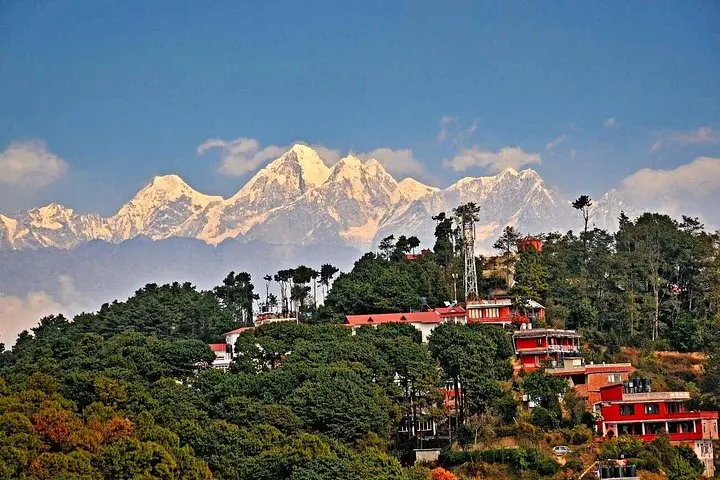
You step out before dawn onto a chilled terrace in Nagarkot and watch the eastern sky push light across the Himalaya; Everest and Annapurna catch the first gold, valley fog lingering like a quiet audience below.
Verified experiences and guided adventures in the surrounding area.
Operated by Real Adventure Nepal · Nagarkot, Bagmati Province
You step out before dawn onto a chilled terrace in Nagarkot and watch the eastern sky push light across the Himalaya; Everest and Annapurna catch the first gold, valley fog lingering like a quiet audience below.
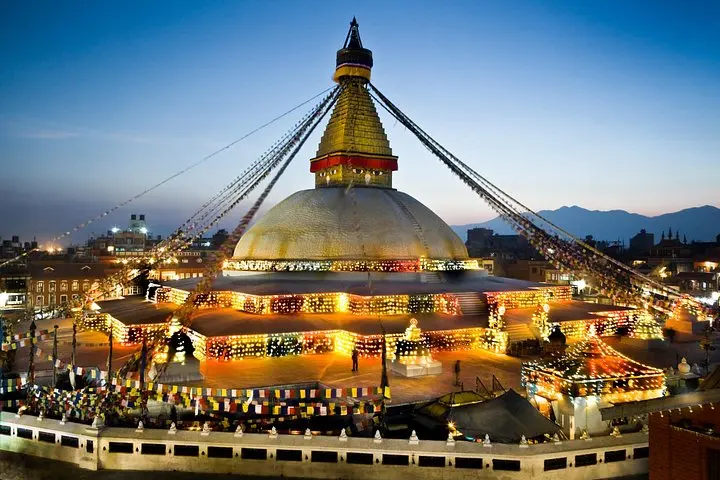
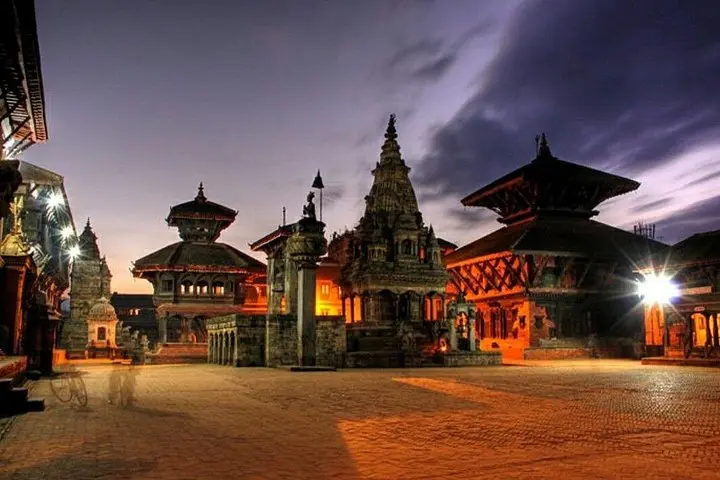
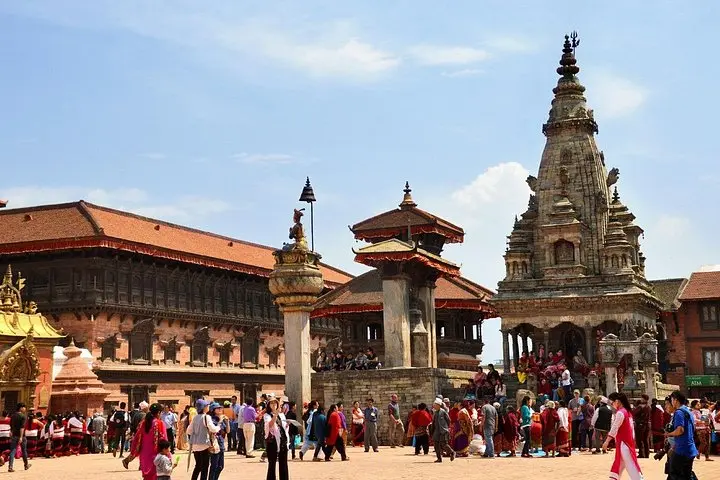
This two-day itinerary threads through Kathmandu Valley’s living history — Swayambhunath’s painted eyes, the ritual ghats of Pashupatinath, the circumambulating pilgrims at Boudhanath, and the intricate courtyards of Patan and Bhaktapur Durbar Squares. The valley sits on young, folded geology shaped by the collision of the Indian and Eurasian plates; temples and palaces reflect centuries of Newar craftsmanship and the Malla era’s urban design. Changunarayan adds an older, stone-carved chapter: a temple complex with inscriptions that trace local dynasties.
Practical rhythm: day one is mostly city driving and short walks across paved plazas and temple stairways; day two begins very early for the 2,195 m Nagarkot sunrise followed by relaxed sightseeing. Expect light elevation gain on short hill trails around Nagarkot and mostly urban, uneven stone surfaces in heritage squares.
Plan for high-contrast light at dawn, crisp mountain air, and crowds at major sites. Hydrate before the sunrise, bring layered clothing for temperature swings, and use sturdy shoes for cobbled courtyards. Local guides explain ritual etiquette — remove shoes at temple thresholds, ask before photographing worshippers. The tour balances easy movement with rich cultural context, ideal for travelers who want photographic vistas and a compact, readable slice of Kathmandu Valley’s history and landscapes.
Nagarkot is about 32 km (20 miles) east of central Kathmandu; drive time is roughly 1.5–2 hours depending on traffic and road conditions.
Yes—transport is private and walking is light, but the tour is not recommended for people with serious mobility or cardiovascular issues; some temple stairways are steep.
On clear mornings you can see a chain of high Himalayan peaks including the distant silhouette of Everest; visibility depends on season and air clarity.
Standard inclusions note admissions where applicable vary by site—confirm with the operator which museum or temple fees are covered prior to travel.
Real Adventure Nepal operates guided outdoor trips and adventures with an emphasis on safety, stewardship, and memorable experiences.
You step out before dawn onto a chilled terrace in Nagarkot and watch the eastern sky push light across the Himalaya; Everest and Annapurna catch the first gold, valley fog lingering like a quiet audience below.
You step out before dawn onto a chilled terrace in Nagarkot and watch the eastern sky push light across the Himalaya; Everest and Annapurna catch the first gold, valley fog lingering like a quiet audience below.
This two-day itinerary threads through Kathmandu Valley’s living history — Swayambhunath’s painted eyes, the ritual ghats of Pashupatinath, the circumambulating pilgrims at Boudhanath, and the intricate courtyards of Patan and Bhaktapur Durbar Squares. The valley sits on young, folded geology shaped by the collision of the Indian and Eurasian plates; temples and palaces reflect centuries of Newar craftsmanship and the Malla era’s urban design. Changunarayan adds an older, stone-carved chapter: a temple complex with inscriptions that trace local dynasties.
Practical rhythm: day one is mostly city driving and short walks across paved plazas and temple stairways; day two begins very early for the 2,195 m Nagarkot sunrise followed by relaxed sightseeing. Expect light elevation gain on short hill trails around Nagarkot and mostly urban, uneven stone surfaces in heritage squares.
Plan for high-contrast light at dawn, crisp mountain air, and crowds at major sites. Hydrate before the sunrise, bring layered clothing for temperature swings, and use sturdy shoes for cobbled courtyards. Local guides explain ritual etiquette — remove shoes at temple thresholds, ask before photographing worshippers. The tour balances easy movement with rich cultural context, ideal for travelers who want photographic vistas and a compact, readable slice of Kathmandu Valley’s history and landscapes.