THE ADVENTURE COLLECTIVE® · Independent discovery and booking for outdoor travel

Experience the Kathmandu Valley’s key UNESCO sites—from the cremation ghats of Pashupatinath to the sunrise at Nagarkot—on a focused 3‑night cultural circuit. Expect short drives, uneven courtyards, and early starts for mountain panoramas.
Experience the Kathmandu Valley’s key UNESCO sites—from the cremation ghats of Pashupatinath to the sunrise at Nagarkot—on a focused 3‑night cultural circuit. Expect short drives, uneven courtyards, and early starts for mountain panoramas.
You arrive before dawn, the city a low rumble below the ridge as Nagarkot’s skyline ignites into orange. The air is thiner here—about 1,400–2,150 meters between central Kathmandu and Nagarkot—and the day’s route traces from riverside cremation ghats to high stupas, each stop reshaping the valley’s story.
Verified experiences and guided adventures in the surrounding area.
Operated by Amigo Treks & Expedition · Kathmandu, Bagmati Province
You arrive before dawn, the city a low rumble below the ridge as Nagarkot’s skyline ignites into orange. The air is thiner here—about 1,400–2,150 meters between central Kathmandu and Nagarkot—and the day’s route traces from riverside cremation ghats to high stupas, each stop reshaping the valley’s story.
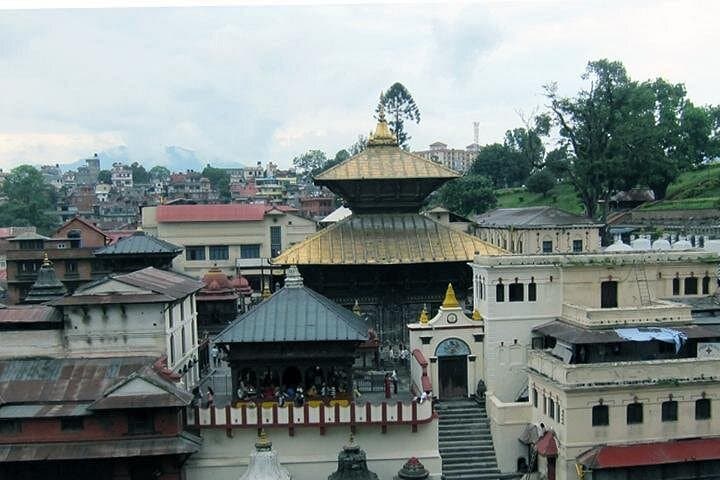
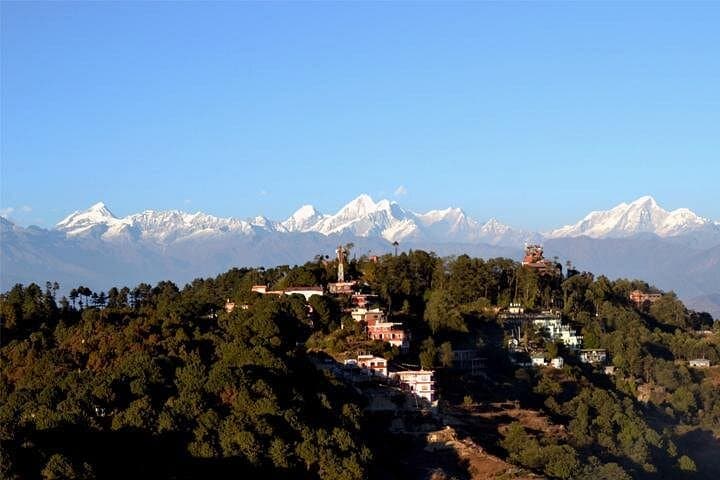
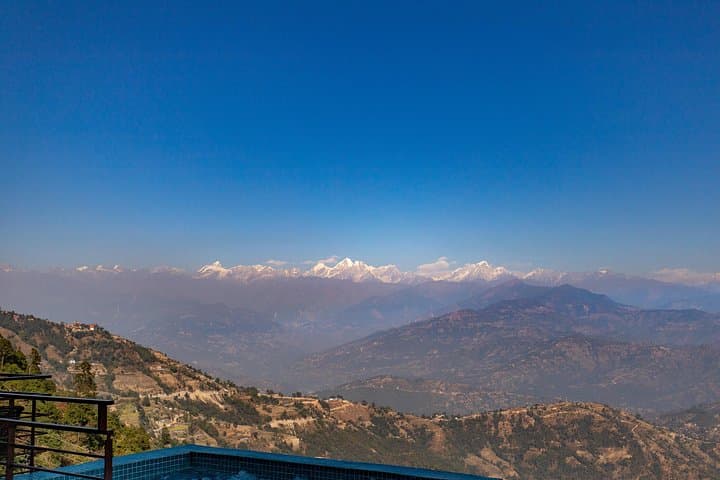
The itinerary moves through Pashupatinath’s ritual banks, Swayambhunath’s monkey-scattered terraces, Boudhanath’s turning prayer wheels and the carved courtyards of Kathmandu Durbar Square and Bhaktapur. Geologically, the valley sits in a bowl of alluvium and folded Himalayan foothills; you’ll notice the abrupt rise toward Nagarkot where sunrise reveals layered ridgelines and the distant snow of the high Himalaya on clear mornings.
Culturally the valley is the historic center of Newar civilization; temples, palaces and stupas reflect centuries of trade, artisanal craft and living religious practice. Expect close-up views of Newar woodcarving, living goddess traditions, and ongoing restoration work supported by UNESCO and local conservators.
Practical guidance: plan early mornings for Nagarkot sunrise, carry small notes in local currency for entry fees and donations, and dress modestly for temple visits (shoulders and knees covered). Walking between courtyards is short but uneven—sturdy shoes are advised. Allow 20–60 minute drives between major sites in Kathmandu traffic; an air-conditioned vehicle is included on typical packaged tours. Hydrate, keep a lightweight layer for cool mornings, and be prepared to follow your guide’s instructions at religious sites—photo restrictions and footwear removal are common. This four-day loop balances cultural immersion with gentle hilltime, making it accessible to most travelers while offering memorable vantage points over the Kathmandu Valley.
Some packaged tours include basic entry fees, but many sites charge small local fees and donations—carry cash in small denominations.
Yes; the tour is rated easy and includes vehicle transport between sites, but note steps and uneven surfaces at temples.
Visitors to Nepal require a valid passport and, depending on nationality, a visa—arrange these before arrival or obtain a tourist visa on arrival where available.
Nagarkot is roughly 20–30 km east of central Kathmandu with a 40–90 minute drive depending on traffic; plan for early departures for sunrise views.
Amigo Treks & Expedition operates guided outdoor trips and adventures with an emphasis on safety, stewardship, and memorable experiences.

You arrive before dawn, the city a low rumble below the ridge as Nagarkot’s skyline ignites into orange. The air is thiner here—about 1,400–2,150 meters between central Kathmandu and Nagarkot—and the day’s route traces from riverside cremation ghats to high stupas, each stop reshaping the valley’s story.
You arrive before dawn, the city a low rumble below the ridge as Nagarkot’s skyline ignites into orange. The air is thiner here—about 1,400–2,150 meters between central Kathmandu and Nagarkot—and the day’s route traces from riverside cremation ghats to high stupas, each stop reshaping the valley’s story.
The itinerary moves through Pashupatinath’s ritual banks, Swayambhunath’s monkey-scattered terraces, Boudhanath’s turning prayer wheels and the carved courtyards of Kathmandu Durbar Square and Bhaktapur. Geologically, the valley sits in a bowl of alluvium and folded Himalayan foothills; you’ll notice the abrupt rise toward Nagarkot where sunrise reveals layered ridgelines and the distant snow of the high Himalaya on clear mornings.
Culturally the valley is the historic center of Newar civilization; temples, palaces and stupas reflect centuries of trade, artisanal craft and living religious practice. Expect close-up views of Newar woodcarving, living goddess traditions, and ongoing restoration work supported by UNESCO and local conservators.
Practical guidance: plan early mornings for Nagarkot sunrise, carry small notes in local currency for entry fees and donations, and dress modestly for temple visits (shoulders and knees covered). Walking between courtyards is short but uneven—sturdy shoes are advised. Allow 20–60 minute drives between major sites in Kathmandu traffic; an air-conditioned vehicle is included on typical packaged tours. Hydrate, keep a lightweight layer for cool mornings, and be prepared to follow your guide’s instructions at religious sites—photo restrictions and footwear removal are common. This four-day loop balances cultural immersion with gentle hilltime, making it accessible to most travelers while offering memorable vantage points over the Kathmandu Valley.