THE ADVENTURE COLLECTIVE® · Independent discovery and booking for outdoor travel

Spend a day tracing Kathmandu Valley’s living heritage: Pashupatinath’s riverside rituals, Boudhanath’s circular devotion, and Swayambhunath’s hilltop views. This guided tour blends easy walking with essential cultural context and practical logistics.
Spend a day tracing Kathmandu Valley’s living heritage: Pashupatinath’s riverside rituals, Boudhanath’s circular devotion, and Swayambhunath’s hilltop views. This guided tour blends easy walking with essential cultural context and practical logistics.
Dawn arrives over Kathmandu as prayer flags and the first temple bells stitch sound into the cool air. The tour moves from the smoke-lined banks of the Bagmati at Pashupatinath—where orange-clad priests and cremation ghats mark an unvarnished continuity of faith—to the slow, circular devotion at Boudhanath’s vast white stupa, and up the steep, monkey-guarded steps to Swayambhunath, where the valley opens beneath prayer wheels and painted eyes.
Verified experiences and guided adventures in the surrounding area.
Operated by Oriental Journeys · Kathmandu, Bagmati Province
Dawn arrives over Kathmandu as prayer flags and the first temple bells stitch sound into the cool air. The tour moves from the smoke-lined banks of the Bagmati at Pashupatinath—where orange-clad priests and cremation ghats mark an unvarnished continuity of faith—to the slow, circular devotion at Boudhanath’s vast white stupa, and up the steep, monkey-guarded steps to Swayambhunath, where the valley opens beneath prayer wheels and painted eyes.
Kathmandu Valley has been a human crossroads for millennia: Newar craftsmen built compact courtyards and carved woodwork that survived centuries and, after the 2015 earthquake, patient restoration. Geologically the valley is a flattened basin ringed by low hills; the Bagmati threads through it, carrying both ritual offerings and the long work of civic cleanup. Culturally this tour is a primer in coexistence—Hindu temples and Buddhist stupas sit blocks apart, each site governed by dress codes, rituals, and specific photography norms.
Practical guidance is straightforward. Expect 5–7 hours of mostly vehicle-supported sightseeing with brief walks and stair climbs at Swayambhunath; plan for uneven stone courtyards, short flights of steps, and urban traffic between sites. Dress modestly (shoulders and knees covered), carry a refillable water bottle, and keep small cash for donations or street food. Morning departures beat the crowds and the heat; your licensed English-speaking guide will handle permits, parking, and context—allowing you to focus on the ceremonies, carved details, and the slow, human rhythm of Kathmandu’s sacred places.
Expect roughly 5–7 hours visiting Pashupatinath, Boudhanath, and Swayambhunath with transport by private car and time for short walks at each site.
Photography is generally allowed at Boudhanath and Swayambhunath, but some areas of Pashupatinath, especially near cremation ghats and inside certain temples, prohibit photos—follow your guide’s instructions.
Yes; the tour is listed as suitable for all fitness levels. Infants must sit on laps and infant seats may be available—check at booking for specifics.
Your licensed English-speaking guide will manage logistics, explain entrance rules, and advise on donations; confirm whether entrance fees are included when booking.
Oriental Journeys operates guided outdoor trips and adventures with an emphasis on safety, stewardship, and memorable experiences.
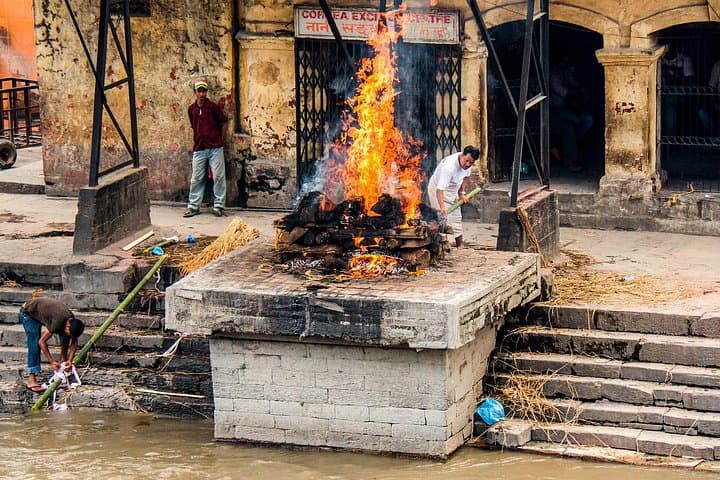
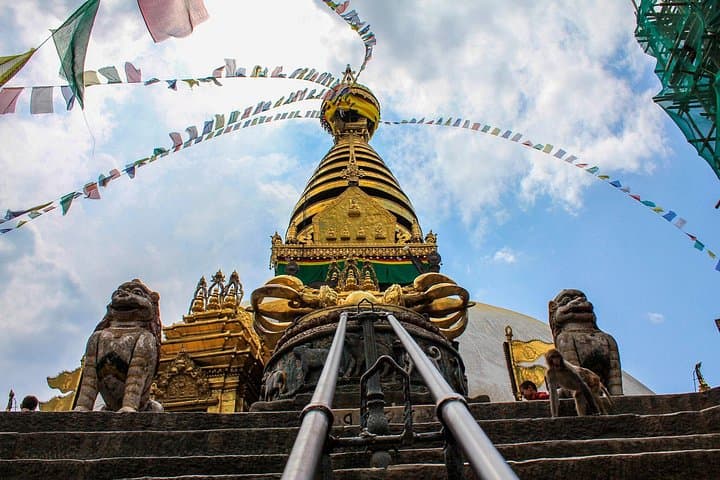
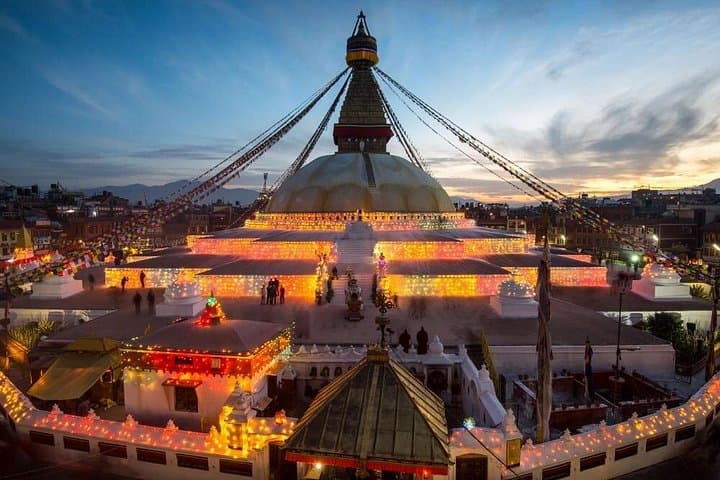
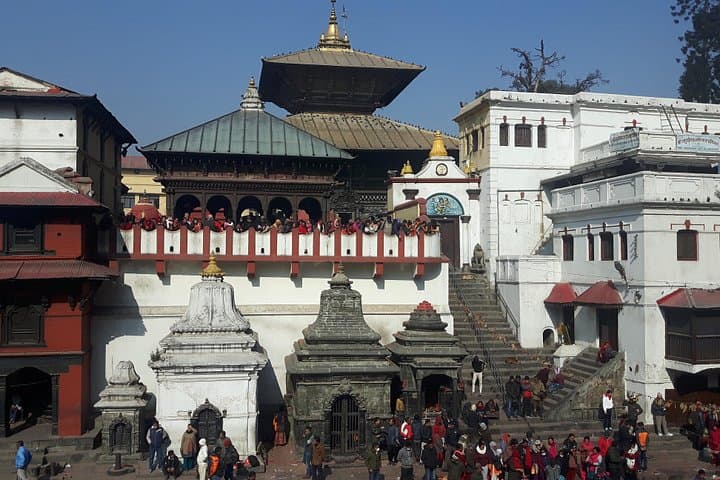
Dawn arrives over Kathmandu as prayer flags and the first temple bells stitch sound into the cool air. The tour moves from the smoke-lined banks of the Bagmati at Pashupatinath—where orange-clad priests and cremation ghats mark an unvarnished continuity of faith—to the slow, circular devotion at Boudhanath’s vast white stupa, and up the steep, monkey-guarded steps to Swayambhunath, where the valley opens beneath prayer wheels and painted eyes.
Dawn arrives over Kathmandu as prayer flags and the first temple bells stitch sound into the cool air. The tour moves from the smoke-lined banks of the Bagmati at Pashupatinath—where orange-clad priests and cremation ghats mark an unvarnished continuity of faith—to the slow, circular devotion at Boudhanath’s vast white stupa, and up the steep, monkey-guarded steps to Swayambhunath, where the valley opens beneath prayer wheels and painted eyes.
Kathmandu Valley has been a human crossroads for millennia: Newar craftsmen built compact courtyards and carved woodwork that survived centuries and, after the 2015 earthquake, patient restoration. Geologically the valley is a flattened basin ringed by low hills; the Bagmati threads through it, carrying both ritual offerings and the long work of civic cleanup. Culturally this tour is a primer in coexistence—Hindu temples and Buddhist stupas sit blocks apart, each site governed by dress codes, rituals, and specific photography norms.
Practical guidance is straightforward. Expect 5–7 hours of mostly vehicle-supported sightseeing with brief walks and stair climbs at Swayambhunath; plan for uneven stone courtyards, short flights of steps, and urban traffic between sites. Dress modestly (shoulders and knees covered), carry a refillable water bottle, and keep small cash for donations or street food. Morning departures beat the crowds and the heat; your licensed English-speaking guide will handle permits, parking, and context—allowing you to focus on the ceremonies, carved details, and the slow, human rhythm of Kathmandu’s sacred places.