THE ADVENTURE COLLECTIVE® · Independent discovery and booking for outdoor travel

Explore all seven UNESCO World Heritage Sites of the Kathmandu Valley across five days, from bustling Durbar Squares to a sunrise at Nagarkot. This guided itinerary pairs cultural immersion with short hikes and panoramic Himalayan vistas.
Explore all seven UNESCO World Heritage Sites of the Kathmandu Valley across five days, from bustling Durbar Squares to a sunrise at Nagarkot. This guided itinerary pairs cultural immersion with short hikes and panoramic Himalayan vistas.
You wake before dawn on a ridge above the Kathmandu Valley as a thin cold light slides across serrated Himalayan summits. Nagarkot’s ridge pushes the horizon forward; distant peaks hold their silence while prayer flags snap like small, stubborn voices. This five-day loop moves through crowded bazaars and quiet courtyards, trading the city’s pulse for temple bells and panoramic airs.
Verified experiences and guided adventures in the surrounding area.
Operated by Best Heritage Tours · Kathmandu, Bagmati Province
You wake before dawn on a ridge above the Kathmandu Valley as a thin cold light slides across serrated Himalayan summits. Nagarkot’s ridge pushes the horizon forward; distant peaks hold their silence while prayer flags snap like small, stubborn voices. This five-day loop moves through crowded bazaars and quiet courtyards, trading the city’s pulse for temple bells and panoramic airs.
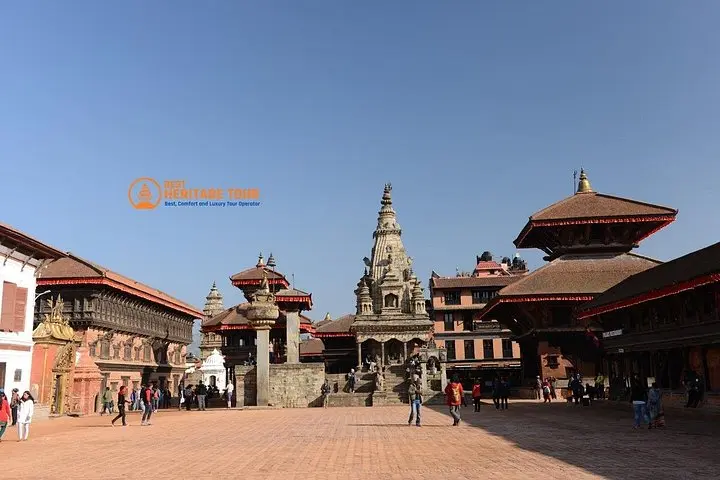
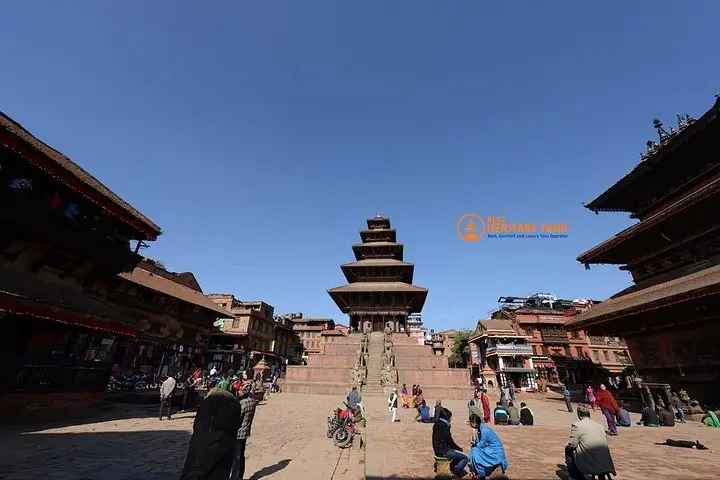
Kathmandu Valley is an archaeological and cultural basin shaped by centuries of Newar craftsmanship and successive Malla and Shah dynasties. Stone courtyards, pagoda roofs and stupas built from the 5th century onward reveal layered urban geology—ancient river terraces that funneled settlement and trade. Cultural life centers on living rituals: cremation ghats at Pashupatinath, Kumbh-like circumambulations at Boudhanath and the resident Kumari in Kathmandu Durbar Square.
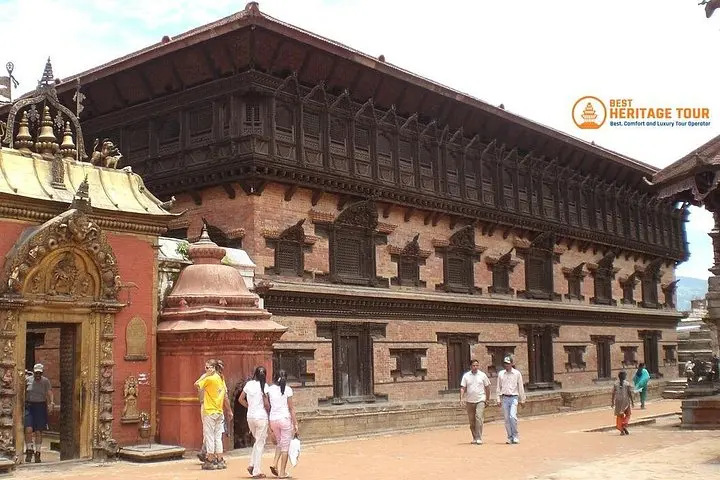
The route mixes easy urban walking with short stair climbs (Swayambhu’s 365 steps) and a brisk sunrise outing at 2,100 m in Nagarkot where visibility depends on season and air quality. Expect narrow alleys, busy traffic transfers, and moments of surprising quiet behind carved wooden gates.
Practical guidance: carry local cash for small temple fees and offerings, wear modest clothing for religious sites, and plan early starts for the best mountain light. Hydrate and layer—mornings at higher elevations can be sharply cold while afternoons in the valley warm quickly. With a local guide handling logistics, this tour is focused, walkable and rich in cultural detail for travelers who want heritage and Himalayan views in one itinerary.
Many nationalities can obtain a tourist visa on arrival at Tribhuvan International Airport or apply for an e-visa in advance—check Nepal’s immigration website for current rules.
The tour stays mostly below 2,200 m with a single night in Nagarkot at ~2,100 m; serious altitude sickness is uncommon but stay hydrated and avoid strenuous exertion on arrival day.
The itinerary notes entrance fees are arranged during guided visits; carry modest cash for voluntary donations and smaller site fees not always covered.
The tour is described as physically easy with private transfers and light walking; families and older travelers who can manage stairs and some walking should be fine.
Best Heritage Tours operates guided outdoor trips and adventures with an emphasis on safety, stewardship, and memorable experiences.
You wake before dawn on a ridge above the Kathmandu Valley as a thin cold light slides across serrated Himalayan summits. Nagarkot’s ridge pushes the horizon forward; distant peaks hold their silence while prayer flags snap like small, stubborn voices. This five-day loop moves through crowded bazaars and quiet courtyards, trading the city’s pulse for temple bells and panoramic airs.
You wake before dawn on a ridge above the Kathmandu Valley as a thin cold light slides across serrated Himalayan summits. Nagarkot’s ridge pushes the horizon forward; distant peaks hold their silence while prayer flags snap like small, stubborn voices. This five-day loop moves through crowded bazaars and quiet courtyards, trading the city’s pulse for temple bells and panoramic airs.
Kathmandu Valley is an archaeological and cultural basin shaped by centuries of Newar craftsmanship and successive Malla and Shah dynasties. Stone courtyards, pagoda roofs and stupas built from the 5th century onward reveal layered urban geology—ancient river terraces that funneled settlement and trade. Cultural life centers on living rituals: cremation ghats at Pashupatinath, Kumbh-like circumambulations at Boudhanath and the resident Kumari in Kathmandu Durbar Square.
The route mixes easy urban walking with short stair climbs (Swayambhu’s 365 steps) and a brisk sunrise outing at 2,100 m in Nagarkot where visibility depends on season and air quality. Expect narrow alleys, busy traffic transfers, and moments of surprising quiet behind carved wooden gates.
Practical guidance: carry local cash for small temple fees and offerings, wear modest clothing for religious sites, and plan early starts for the best mountain light. Hydrate and layer—mornings at higher elevations can be sharply cold while afternoons in the valley warm quickly. With a local guide handling logistics, this tour is focused, walkable and rich in cultural detail for travelers who want heritage and Himalayan views in one itinerary.