THE ADVENTURE COLLECTIVE® · Independent discovery and booking for outdoor travel

Spend a day tracing Kathmandu’s spiritual heart on a private tour of Durbar Square, Swayambhunath, Boudhanath and Pashupatinath. Expect rich history, stair climbs at hilltop shrines, and practical tips for respectful temple visits.
Spend a day tracing Kathmandu’s spiritual heart on a private tour of Durbar Square, Swayambhunath, Boudhanath and Pashupatinath. Expect rich history, stair climbs at hilltop shrines, and practical tips for respectful temple visits.
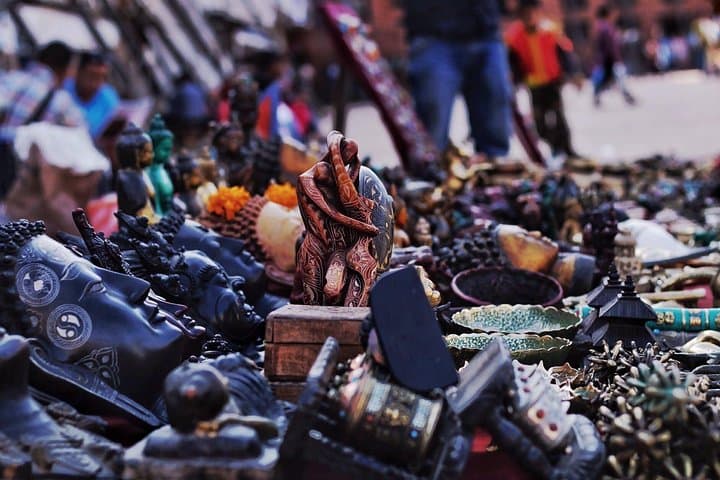
A morning in Kathmandu opens with the city’s dust and incense carried on the same wind — vendors calling, prayer flags snapping, and the Bagmati River pushing offerings downstream as if impatient to finish its ritual.
Verified experiences and guided adventures in the surrounding area.
Operated by Liberty Holidays · Kathmandu, Bagmati Province
A morning in Kathmandu opens with the city’s dust and incense carried on the same wind — vendors calling, prayer flags snapping, and the Bagmati River pushing offerings downstream as if impatient to finish its ritual.
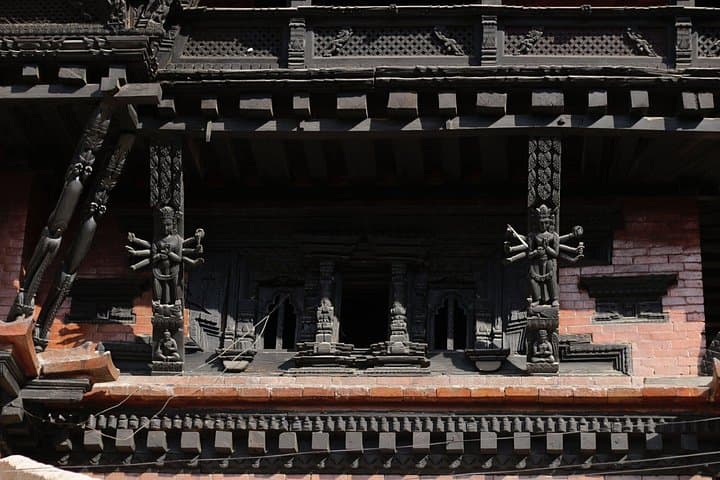
This private, full-day loop visits Kathmandu Durbar Square, Swayambhunath (the Monkey Temple), Boudhanath and Pashupatinath. Durbar Square reveals carved wooden windows and palaces from the Malla and Shah dynasties; Swayambhunath sits on a low hill with the stupa’s painted eyes watching the valley. Boudhanath’s vast dome marks the old trade route to Tibet, while Pashupatinath’s pagoda roof and riverside cremation ghats expose Hindu rites still practiced daily.
Geologically the valley is a basin ringed by steep ridges; the sites occupy human-made and natural high points that have concentrated power and pilgrimage for centuries. Culture here is layered — Newar artisans, Tibetan Buddhist communities, and Hindu priests share streets and festivals.
Practical guidance: tours run about 6–7 hours with multiple short walks, stair climbs at Swayambhu, and time spent standing during rituals. Carry water, wear modest clothing for temples (shoulders and knees covered), and keep small change for donations and tea stalls. Watch your belongings around the monkeys at Swayambhunath — they are bold and quick.
Plan for traffic between sites and allow time to absorb each place; a guided tour provides context that turns architecture and ceremony into a coherent day of Kathmandu’s living history.
Most temple courtyards and stupas have low or no entrance fees, but Durbar Square and some museum areas charge admission; fees are often not included so carry cash.
Yes—it's rated easy, but expect stairs at Swayambhunath and some standing; arrange mobility-friendly pickup locations if needed.
Photography is allowed in many outer areas, but avoid photographing cremation rituals or priests without permission; follow your guide’s direction.
Yes, the tour lists hotel pickup and drop-off in a private vehicle; confirm pickup location and time when booking.
Liberty Holidays operates guided outdoor trips and adventures with an emphasis on safety, stewardship, and memorable experiences.


A morning in Kathmandu opens with the city’s dust and incense carried on the same wind — vendors calling, prayer flags snapping, and the Bagmati River pushing offerings downstream as if impatient to finish its ritual.
A morning in Kathmandu opens with the city’s dust and incense carried on the same wind — vendors calling, prayer flags snapping, and the Bagmati River pushing offerings downstream as if impatient to finish its ritual.
This private, full-day loop visits Kathmandu Durbar Square, Swayambhunath (the Monkey Temple), Boudhanath and Pashupatinath. Durbar Square reveals carved wooden windows and palaces from the Malla and Shah dynasties; Swayambhunath sits on a low hill with the stupa’s painted eyes watching the valley. Boudhanath’s vast dome marks the old trade route to Tibet, while Pashupatinath’s pagoda roof and riverside cremation ghats expose Hindu rites still practiced daily.
Geologically the valley is a basin ringed by steep ridges; the sites occupy human-made and natural high points that have concentrated power and pilgrimage for centuries. Culture here is layered — Newar artisans, Tibetan Buddhist communities, and Hindu priests share streets and festivals.
Practical guidance: tours run about 6–7 hours with multiple short walks, stair climbs at Swayambhu, and time spent standing during rituals. Carry water, wear modest clothing for temples (shoulders and knees covered), and keep small change for donations and tea stalls. Watch your belongings around the monkeys at Swayambhunath — they are bold and quick.
Plan for traffic between sites and allow time to absorb each place; a guided tour provides context that turns architecture and ceremony into a coherent day of Kathmandu’s living history.