THE ADVENTURE COLLECTIVE® · Independent discovery and booking for outdoor travel

Stand at the base of a 130-foot limestone column that once held a mountaintop monastery. This full-day excursion from Chiatura combines geology, medieval ascetic history and striking views with easy walking on rural trails.
Stand at the base of a 130-foot limestone column that once held a mountaintop monastery. This full-day excursion from Chiatura combines geology, medieval ascetic history and striking views with easy walking on rural trails.
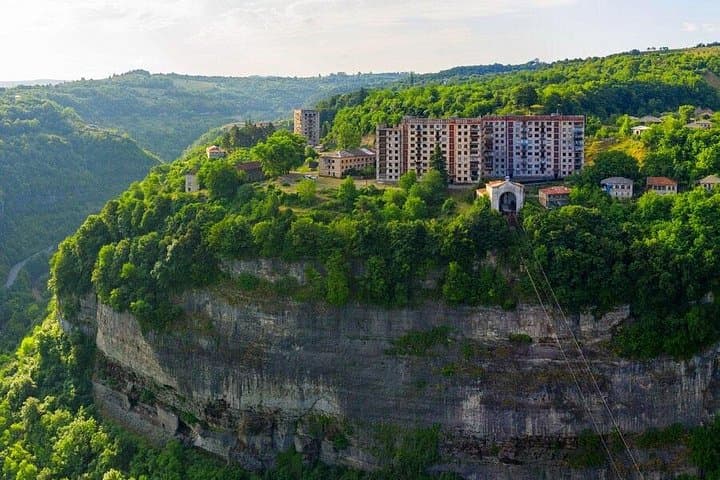
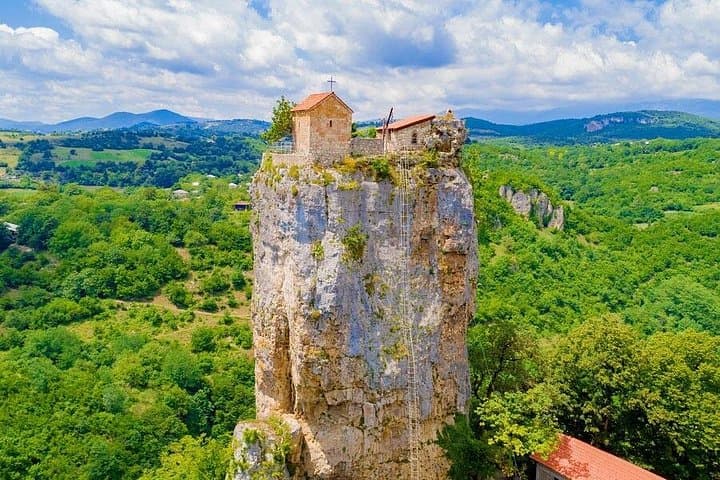
The first view of Katskhi Pillar arrives like a solitary tower rising from a patchwork of fields and limestone outcrops — a raw, vertical column that seems to dare the sky to push it over. From Chiatura the road winds through russet hills and abandoned Soviet infrastructure before giving way to a small parking area and a short walk to the pillar’s base.
Verified experiences and guided adventures in the surrounding area.
Operated by TTG Travel To Geo · Chiatura, Imereti
The first view of Katskhi Pillar arrives like a solitary tower rising from a patchwork of fields and limestone outcrops — a raw, vertical column that seems to dare the sky to push it over. From Chiatura the road winds through russet hills and abandoned Soviet infrastructure before giving way to a small parking area and a short walk to the pillar’s base.
The pillar itself has been a focal point of Georgian asceticism since at least the seventh century, when monks established a tiny monastery on the summit. The column is natural limestone; weather and erosion sculpted the standing rock while humans fitted a narrow 130-foot (≈40 m) ladder and stair—what locals call a “ladder to the sky.” Today a solitary Georgian monk maintains the summit life; climbing is restricted and visitors cannot access the top.
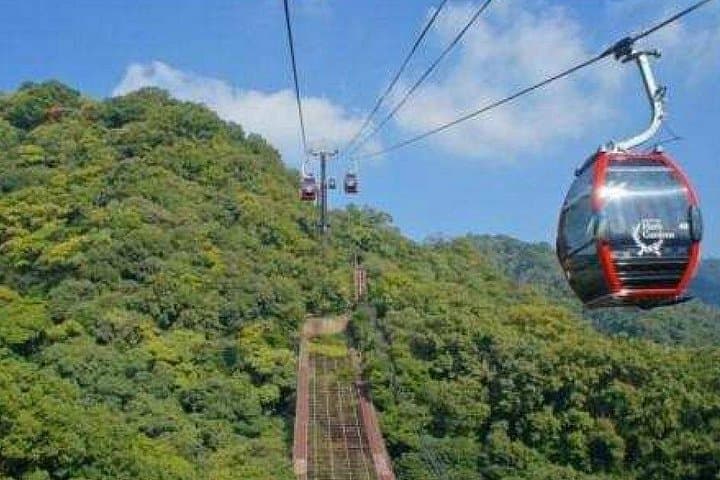
Expect a short, easy cultural walk on uneven rural trails, expansive views of the Imereti lowlands, and close-up study of the pillar’s geology and the patched masonry of the small monastery. The site pairs naturally with a look at Chiatura’s rusting cable cars and manganese-mining balconies for a fuller sense of regional history.
Practical guidance: visit in clear weather for the best visibility, wear sturdy walking shoes for rocky paths, carry water and small change for local stops, and dress respectfully — this is an active religious site. Photography is allowed from the base; obey signage and the guide. Morning or late afternoon light sharpens the pillar’s profile and keeps temperatures pleasant for the short hike.
No — general visitors are not allowed to climb. Historical rules allow only a small number of men in special circumstances; respect restrictions and signage.
Most day trips depart from Chiatura or Kutaisi by road; expect a drive of 30–90 minutes depending on starting point and local roads.
Both options exist; local guides add cultural and historical context and help navigate rural paths and etiquette.
Dress modestly — shoulders and knees covered when near the monastery — and avoid loud behavior at the religious site.
TTG Travel To Geo operates guided outdoor trips and adventures with an emphasis on safety, stewardship, and memorable experiences.

The first view of Katskhi Pillar arrives like a solitary tower rising from a patchwork of fields and limestone outcrops — a raw, vertical column that seems to dare the sky to push it over. From Chiatura the road winds through russet hills and abandoned Soviet infrastructure before giving way to a small parking area and a short walk to the pillar’s base.
The first view of Katskhi Pillar arrives like a solitary tower rising from a patchwork of fields and limestone outcrops — a raw, vertical column that seems to dare the sky to push it over. From Chiatura the road winds through russet hills and abandoned Soviet infrastructure before giving way to a small parking area and a short walk to the pillar’s base.
The pillar itself has been a focal point of Georgian asceticism since at least the seventh century, when monks established a tiny monastery on the summit. The column is natural limestone; weather and erosion sculpted the standing rock while humans fitted a narrow 130-foot (≈40 m) ladder and stair—what locals call a “ladder to the sky.” Today a solitary Georgian monk maintains the summit life; climbing is restricted and visitors cannot access the top.
Expect a short, easy cultural walk on uneven rural trails, expansive views of the Imereti lowlands, and close-up study of the pillar’s geology and the patched masonry of the small monastery. The site pairs naturally with a look at Chiatura’s rusting cable cars and manganese-mining balconies for a fuller sense of regional history.
Practical guidance: visit in clear weather for the best visibility, wear sturdy walking shoes for rocky paths, carry water and small change for local stops, and dress respectfully — this is an active religious site. Photography is allowed from the base; obey signage and the guide. Morning or late afternoon light sharpens the pillar’s profile and keeps temperatures pleasant for the short hike.