THE ADVENTURE COLLECTIVE® · Independent discovery and booking for outdoor travel

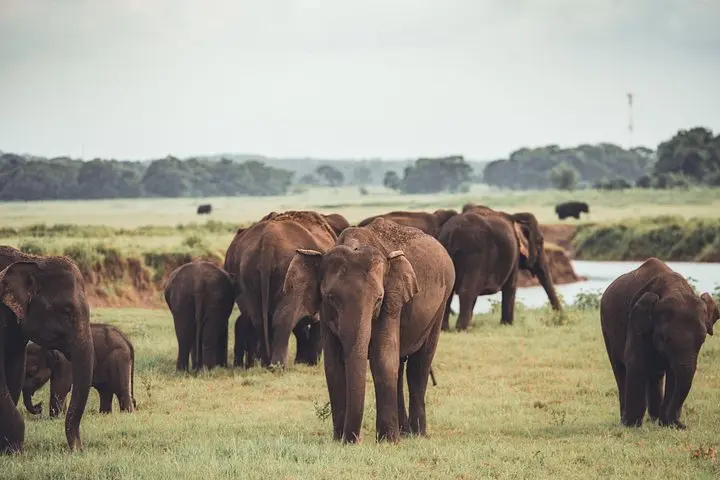
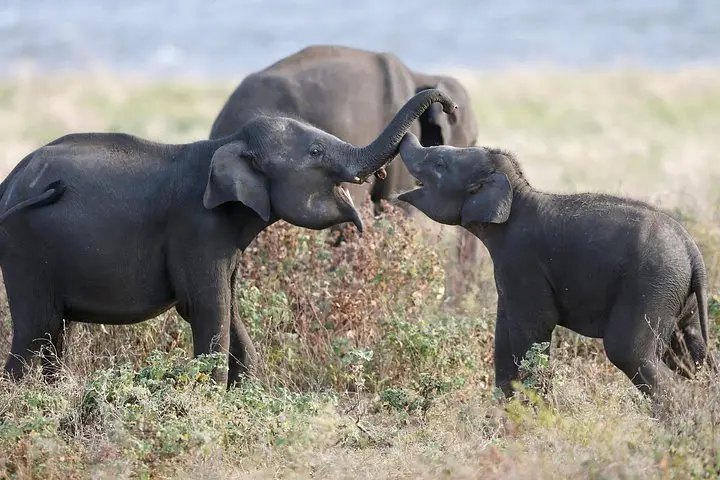
Departing Negombo, this full-day jeep safari delivers concentrated wildlife viewing—most notably large herds of Asian elephants—within Sri Lanka’s dry-zone grasslands. Expect long transfer time, dusty tracks, and some of the best elephant encounters on the island.
Departing Negombo, this full-day jeep safari delivers concentrated wildlife viewing—most notably large herds of Asian elephants—within Sri Lanka’s dry-zone grasslands. Expect long transfer time, dusty tracks, and some of the best elephant encounters on the island.
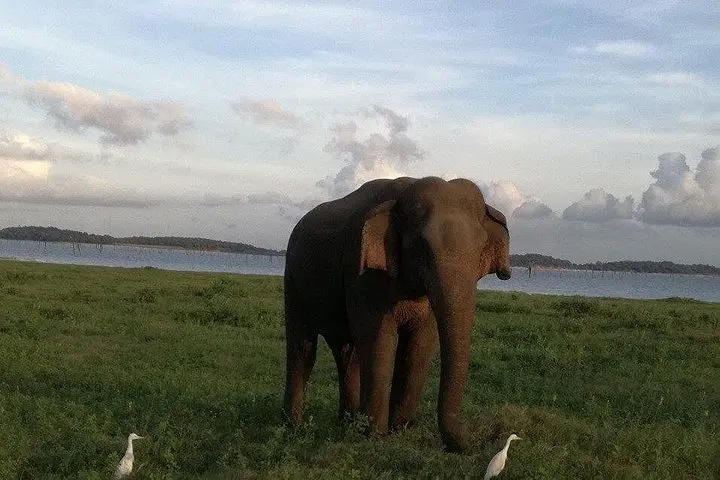
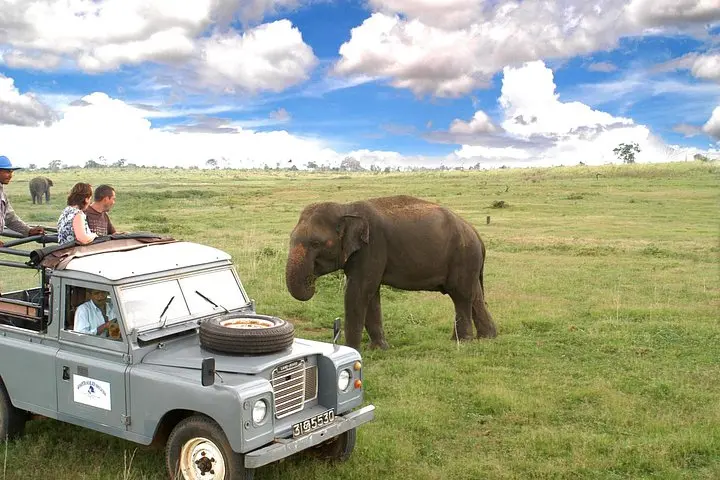
The day begins before dawn along the west coast, the road unspooling toward the low, dry plains where Kaudulla’s reservoir catches the light. By mid-morning the jeep bumps onto dusty tracks framed by tall grasses; elephants move like slow weather — purposeful, aloof, and sometimes suddenly intimate as a matriarch crosses the track in front of you.
Verified experiences and guided adventures in the surrounding area.
Operated by Apple Vacations Pvt Ltd · Habarana, North Central Province
The day begins before dawn along the west coast, the road unspooling toward the low, dry plains where Kaudulla’s reservoir catches the light. By mid-morning the jeep bumps onto dusty tracks framed by tall grasses; elephants move like slow weather — purposeful, aloof, and sometimes suddenly intimate as a matriarch crosses the track in front of you.
Kaudulla was declared a national park in 2002 and sits within Sri Lanka’s Dry Zone, a landscape shaped by ancient irrigation tanks and seasonal monsoon rhythms. The park is part of the island’s elephant circuit with animals congregating near water in the dry season; you’ll also see monkeys, marsh birds and the occasional mugger crocodile along the reservoir’s edge. Local villages around Habarana and Polonnaruwa have long histories tied to rice cultivation and tank-based irrigation, giving the area a lived-in, working quality rather than untouched wilderness.
Practicalities matter here: expect a long day (often 12–14 hours round trip from Negombo), dusty roads, and bumpy jeep trails. Morning and late afternoon safaris offer the best light and animal activity. Bring water, sun protection, binoculars and a camera with a decent zoom. Follow guides’ instructions — keep distance from elephants, avoid sudden noises, and don’t feed wildlife. Wildlife sightings can be thrilling but unpredictable; patience and a quiet presence will usually reward you.
This is a safari for viewers who want iconic Sri Lankan elephants in a compact, accessible setting, balanced with real-world travel considerations like road time, heat, and park rules.
Early morning and late afternoon offer warmer animal activity near water; midday sightings are possible but less frequent.
Expect roughly 4–6 hours one-way depending on traffic and route, which is why full-day tours often exceed 12 hours total.
Yes, but infants must sit on an adult’s lap and the trip is not recommended for travelers with spinal or serious heart conditions.
No guarantee—Kaudulla is reliable especially in the dry season, but sightings depend on seasonal movement and weather; guides maximize chances by choosing optimal timing and locations.
Apple Vacations Pvt Ltd operates guided outdoor trips and adventures with an emphasis on safety, stewardship, and memorable experiences.
The day begins before dawn along the west coast, the road unspooling toward the low, dry plains where Kaudulla’s reservoir catches the light. By mid-morning the jeep bumps onto dusty tracks framed by tall grasses; elephants move like slow weather — purposeful, aloof, and sometimes suddenly intimate as a matriarch crosses the track in front of you.
The day begins before dawn along the west coast, the road unspooling toward the low, dry plains where Kaudulla’s reservoir catches the light. By mid-morning the jeep bumps onto dusty tracks framed by tall grasses; elephants move like slow weather — purposeful, aloof, and sometimes suddenly intimate as a matriarch crosses the track in front of you.
Kaudulla was declared a national park in 2002 and sits within Sri Lanka’s Dry Zone, a landscape shaped by ancient irrigation tanks and seasonal monsoon rhythms. The park is part of the island’s elephant circuit with animals congregating near water in the dry season; you’ll also see monkeys, marsh birds and the occasional mugger crocodile along the reservoir’s edge. Local villages around Habarana and Polonnaruwa have long histories tied to rice cultivation and tank-based irrigation, giving the area a lived-in, working quality rather than untouched wilderness.
Practicalities matter here: expect a long day (often 12–14 hours round trip from Negombo), dusty roads, and bumpy jeep trails. Morning and late afternoon safaris offer the best light and animal activity. Bring water, sun protection, binoculars and a camera with a decent zoom. Follow guides’ instructions — keep distance from elephants, avoid sudden noises, and don’t feed wildlife. Wildlife sightings can be thrilling but unpredictable; patience and a quiet presence will usually reward you.
This is a safari for viewers who want iconic Sri Lankan elephants in a compact, accessible setting, balanced with real-world travel considerations like road time, heat, and park rules.