THE ADVENTURE COLLECTIVE® · Independent discovery and booking for outdoor travel
Trace love stories through Kaunas’ Old Town on a private two-hour walking tour that visits Laisvės Avenue, Kaunas Castle, and the river confluence. Expect local lore, culinary anecdotes, and accessible city walking with a knowledgeable guide.
Trace love stories through Kaunas’ Old Town on a private two-hour walking tour that visits Laisvės Avenue, Kaunas Castle, and the river confluence. Expect local lore, culinary anecdotes, and accessible city walking with a knowledgeable guide.
Late afternoon light softens the stone facades of Kaunas Old Town as a private guide leads you down Laisvės Avenue — a boulevard that has long been the city's main stage for first dates and public life. The Nemunas and Neris rivers meet nearby, their confluence visible from embankments where stories and city legends gather like driftwood.
Verified experiences and guided adventures in the surrounding area.
Operated by Opatrip.com Lithuania · Kaunas, Kaunas County
Late afternoon light softens the stone facades of Kaunas Old Town as a private guide leads you down Laisvės Avenue — a boulevard that has long been the city's main stage for first dates and public life. The Nemunas and Neris rivers meet nearby, their confluence visible from embankments where stories and city legends gather like driftwood.
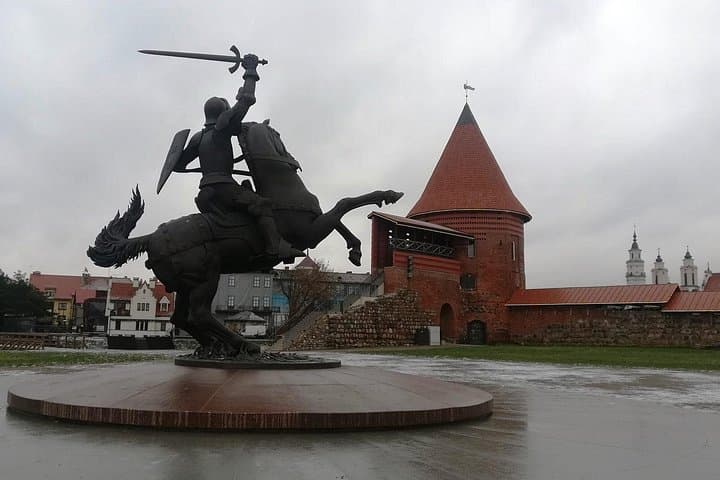
This two-hour walking tour threads history and local lore. Kaunas Castle, the 14th-century double-walled fortress, stands as the tour’s focal point: imagine defenders on its spiral stairs and later generations reshaping the fortress into civic spaces. Along the route, the guide points out Bona Sforza’s influence on cuisine and trade, the cloistral architecture around Bernardinai, and the social history that made Laisvės Avenue Kaunas’ romantic artery.
Geology here is subtle — glacially influenced plains give way to the rivers’ alluvial banks that shaped settlement patterns. Culturally, Kaunas balances Lithuanian traditions and interwar modernism; expect anecdotes about honeymoon customs, local recipes (Bernardinai fish pie), and small civic mysteries like the “White Swan.”
Practically, the tour is mostly paved walking with short cobbled sections and one or two modest staircases at the castle. Wear comfortable shoes and bring a light layer; Kaunas' weather can shift quickly along the river. Morning or late-afternoon slots offer softer light and fewer crowds. The route is wheelchair accessible in parts, but check with the operator if full access is required. Bring a charged phone for photos, and be ready to trade myths for facts as the guide unfolds the city’s love stories.
Yes — the pace is gentle and the route is mostly paved; inform the operator of mobility needs when booking.
The tour description notes that admission is not included, so expect an entry fee if you plan to go inside the castle exhibits.
This is a private tour format, so guides typically tailor content and pacing; request specific interests at booking.
Expect 1.5–3 kilometers total depending on route choices and stops; plan for two hours on foot.
Opatrip.com Lithuania operates guided outdoor trips and adventures with an emphasis on safety, stewardship, and memorable experiences.
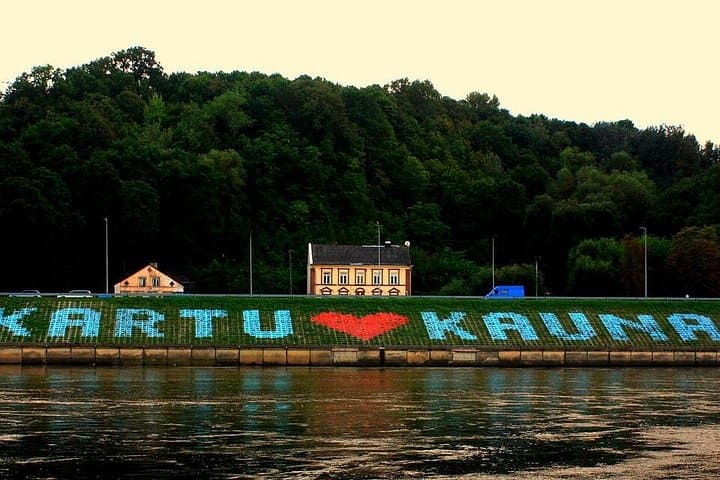
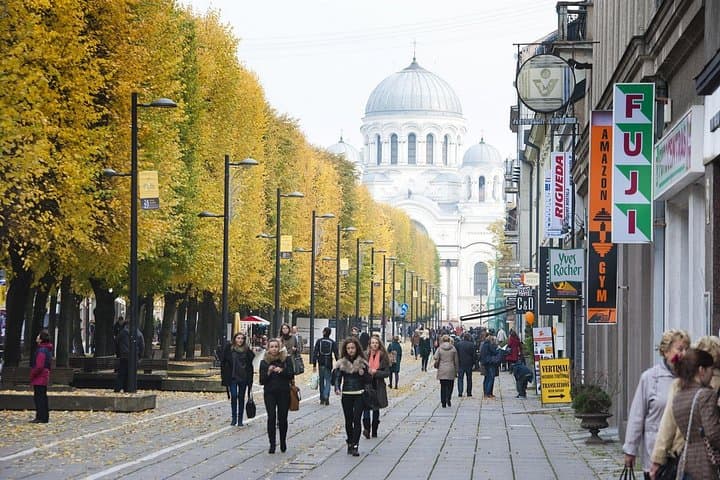
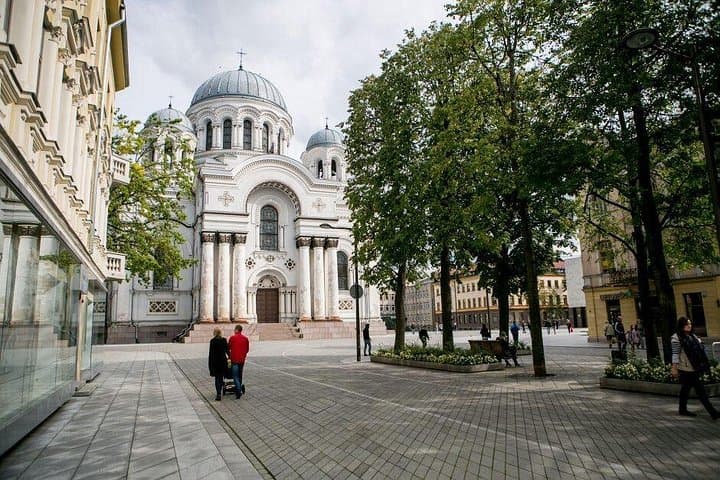
Late afternoon light softens the stone facades of Kaunas Old Town as a private guide leads you down Laisvės Avenue — a boulevard that has long been the city's main stage for first dates and public life. The Nemunas and Neris rivers meet nearby, their confluence visible from embankments where stories and city legends gather like driftwood.
Late afternoon light softens the stone facades of Kaunas Old Town as a private guide leads you down Laisvės Avenue — a boulevard that has long been the city's main stage for first dates and public life. The Nemunas and Neris rivers meet nearby, their confluence visible from embankments where stories and city legends gather like driftwood.
This two-hour walking tour threads history and local lore. Kaunas Castle, the 14th-century double-walled fortress, stands as the tour’s focal point: imagine defenders on its spiral stairs and later generations reshaping the fortress into civic spaces. Along the route, the guide points out Bona Sforza’s influence on cuisine and trade, the cloistral architecture around Bernardinai, and the social history that made Laisvės Avenue Kaunas’ romantic artery.
Geology here is subtle — glacially influenced plains give way to the rivers’ alluvial banks that shaped settlement patterns. Culturally, Kaunas balances Lithuanian traditions and interwar modernism; expect anecdotes about honeymoon customs, local recipes (Bernardinai fish pie), and small civic mysteries like the “White Swan.”
Practically, the tour is mostly paved walking with short cobbled sections and one or two modest staircases at the castle. Wear comfortable shoes and bring a light layer; Kaunas' weather can shift quickly along the river. Morning or late-afternoon slots offer softer light and fewer crowds. The route is wheelchair accessible in parts, but check with the operator if full access is required. Bring a charged phone for photos, and be ready to trade myths for facts as the guide unfolds the city’s love stories.
