THE ADVENTURE COLLECTIVE® · Independent discovery and booking for outdoor travel

Turn a lakeside stroll into a samurai-style scavenger hunt around Lake Kawaguchi. This GPS-driven, self-guided walking game links ropeway panoramas, cedar-shrouded shrines, maple corridors and music-box gardens into a one- to two-hour urban-nature adventure.
Turn a lakeside stroll into a samurai-style scavenger hunt around Lake Kawaguchi. This GPS-driven, self-guided walking game links ropeway panoramas, cedar-shrouded shrines, maple corridors and music-box gardens into a one- to two-hour urban-nature adventure.
The path opens at Kawaguchiko Station with the mountain watching like an unread map—your phone becomes the compass and the samurai’s footsteps guide you around Lake Kawaguchi.
Verified experiences and guided adventures in the surrounding area.
Operated by Leplace - interactive self-guided app tours · Fujikawaguchiko, Yamanashi Prefecture
The path opens at Kawaguchiko Station with the mountain watching like an unread map—your phone becomes the compass and the samurai’s footsteps guide you around Lake Kawaguchi.
Start by climbing (or riding) the Mt. Tenjo ropeway for the first sweep of Fuji peeking above serrated ridgelines, then thread beneath ancient cedars and across maple tunnels that flare crimson in autumn. The route stitches together civic parks, a music-box museum with mechanical melodies, and quiet shrine grounds where a 9th-century Asama shrine still holds rope and dragon carvings you can seek out.
Geology here is blunt and visible: volcanic soils feed the lake basin and shape the shoreline views that made Kawaguchiko a retreat since the Edo period. Culturally the area blends local mountain religion, artisanal gem-collecting in Koshu, and postwar tourism infrastructure—bridges and ropeways that frame Fuji from precise vantage points.
This is a self-guided, GPS-driven scavenger hunt: solve narrative puzzles at waypoints, pause for tea or lavender fields, and resume when the story—or the light—demands it. Expect mostly paved paths and short boardwalks; some stretches can be exposed to wind and sudden weather shifts.
Practical edge: download the app fully and charge your phone, buy ropeway or museum tickets separately, and plan the loop around visibility windows for Fuji (early morning and late afternoon are best). Wear supportive shoes, carry a lightweight rain layer, and allow 60–120 minutes to savor both the puzzles and the views.
No—ropeway and museum tickets are purchased on-site; check seasonal opening hours and have payment ready as these are not included in the app.
Much of the route is on paved paths, but some points like ropeway stations and garden paths may have steps or uneven surfaces; the experience is not recommended for travelers with significant mobility restrictions.
The mobile game typically supports English and Japanese—confirm language options when you download and in the confirmation email instructions.
Clear mornings and late afternoons offer the most consistent Fuji views; check local weather forecasts and aim for early start times to beat clouds and crowds.
Leplace - interactive self-guided app tours operates guided outdoor trips and adventures with an emphasis on safety, stewardship, and memorable experiences.
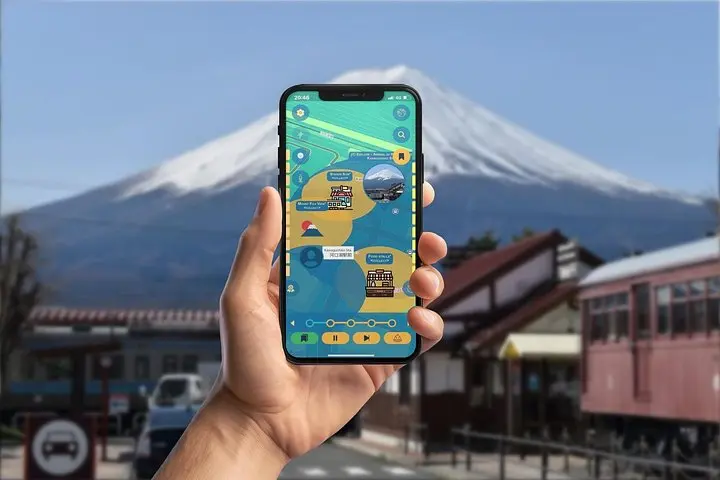
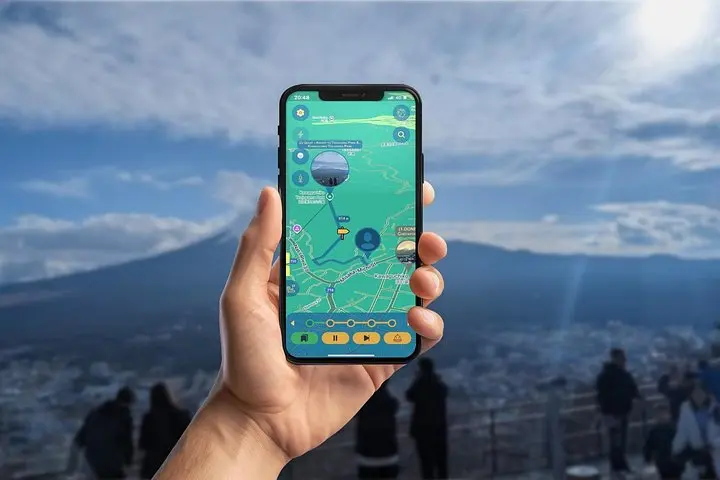
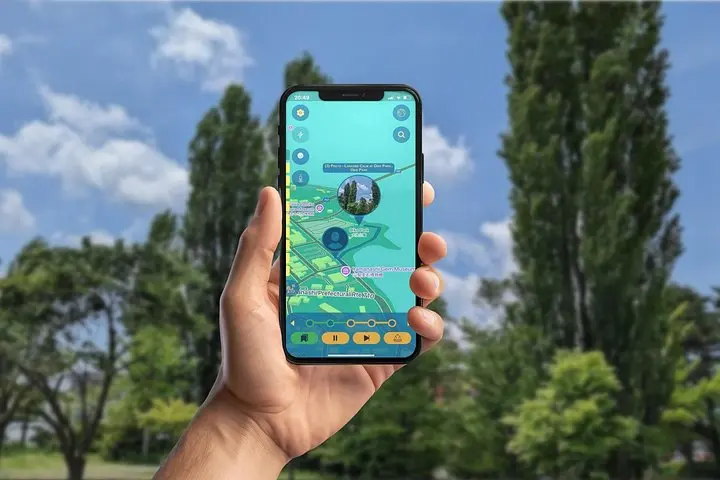
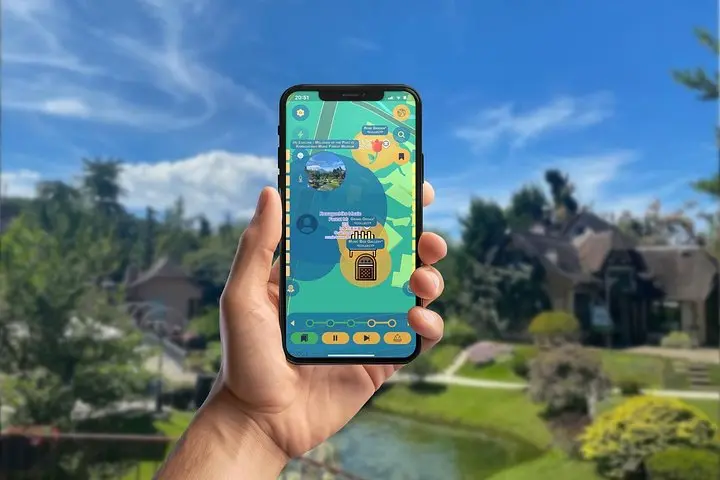
The path opens at Kawaguchiko Station with the mountain watching like an unread map—your phone becomes the compass and the samurai’s footsteps guide you around Lake Kawaguchi.
The path opens at Kawaguchiko Station with the mountain watching like an unread map—your phone becomes the compass and the samurai’s footsteps guide you around Lake Kawaguchi.
Start by climbing (or riding) the Mt. Tenjo ropeway for the first sweep of Fuji peeking above serrated ridgelines, then thread beneath ancient cedars and across maple tunnels that flare crimson in autumn. The route stitches together civic parks, a music-box museum with mechanical melodies, and quiet shrine grounds where a 9th-century Asama shrine still holds rope and dragon carvings you can seek out.
Geology here is blunt and visible: volcanic soils feed the lake basin and shape the shoreline views that made Kawaguchiko a retreat since the Edo period. Culturally the area blends local mountain religion, artisanal gem-collecting in Koshu, and postwar tourism infrastructure—bridges and ropeways that frame Fuji from precise vantage points.
This is a self-guided, GPS-driven scavenger hunt: solve narrative puzzles at waypoints, pause for tea or lavender fields, and resume when the story—or the light—demands it. Expect mostly paved paths and short boardwalks; some stretches can be exposed to wind and sudden weather shifts.
Practical edge: download the app fully and charge your phone, buy ropeway or museum tickets separately, and plan the loop around visibility windows for Fuji (early morning and late afternoon are best). Wear supportive shoes, carry a lightweight rain layer, and allow 60–120 minutes to savor both the puzzles and the views.