
Kaya Kinondo Sacred Forest Half-Day Walk — Cultural & Nature Tour Near Diani Beach
A half-day guided walk through Kaya Kinondo offers a compact cultural and nature experience on Kenya’s south coast. Learn Digo forest traditions, see medicinal plants and explore coastal coral geology while moving at a relaxed pace.
An Adventure In Diani Beach.
A half-day guided walk through Kaya Kinondo offers a compact cultural and nature experience on Kenya’s south coast. Learn Digo forest traditions, see medicinal plants and explore coastal coral geology while moving at a relaxed pace.
Read the full experience
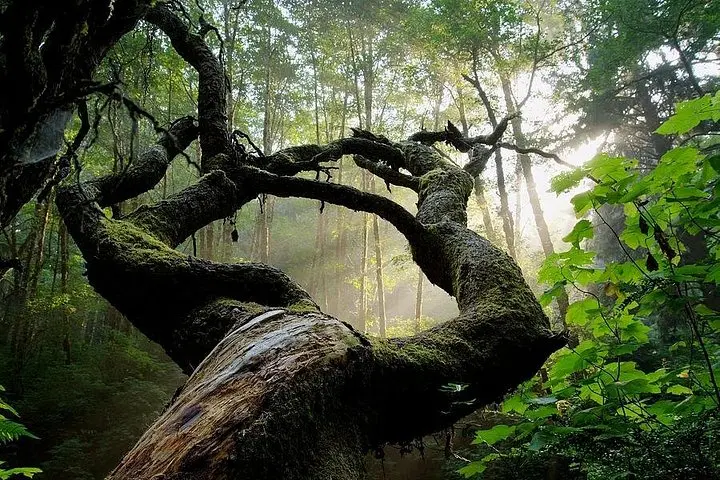
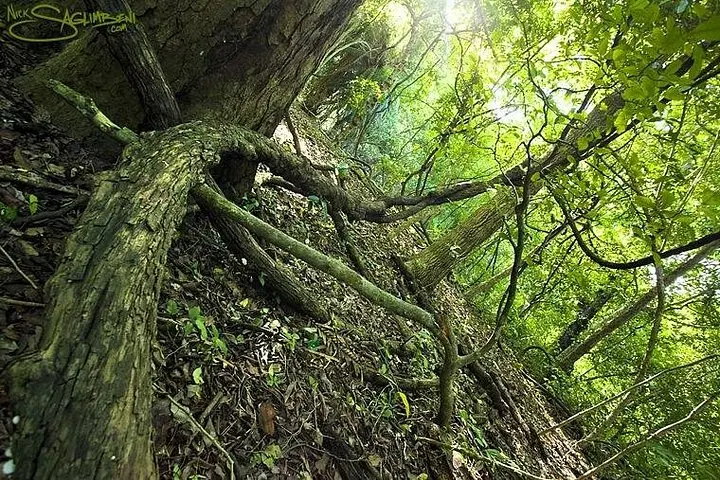
You step off the coastal road and into shade so sudden the heat seems to hesitate, roots routing underfoot like the history of the place itself. Sunlight threads through a low canopy; the air smells of damp earth, crushed leaves and salt carried from nearby Indian Ocean. A guide from the Digo community moves ahead, pausing to show you a gnarled tree that locals still regard as a living counsel.
You step off the coastal road and into shade so sudden the heat seems to hesitate, roots routing underfoot like the history of the place itself. Sunlight threads through a low canopy; the air smells of damp earth, crushed leaves and salt carried from nearby Indian Ocean. A guide from the Digo community moves ahead, pausing to show you a gnarled tree that locals still regard as a living counsel.
Kaya Kinondo is one of the coastal 'kaya' forests of the Mijikenda — sacred groves long used as ritual, meeting and burial sites. These patches of lowland coastal forest grow on coral rag and coastal sands; the geology explains the odd outcrops and pockets where endemic plants cling. The site is tied to living cultural practices: chants, boundary markers and oral histories are part of the visit when permitted.
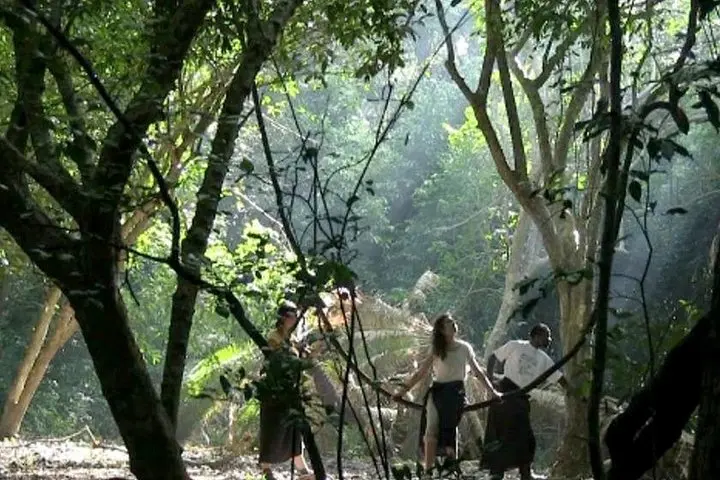
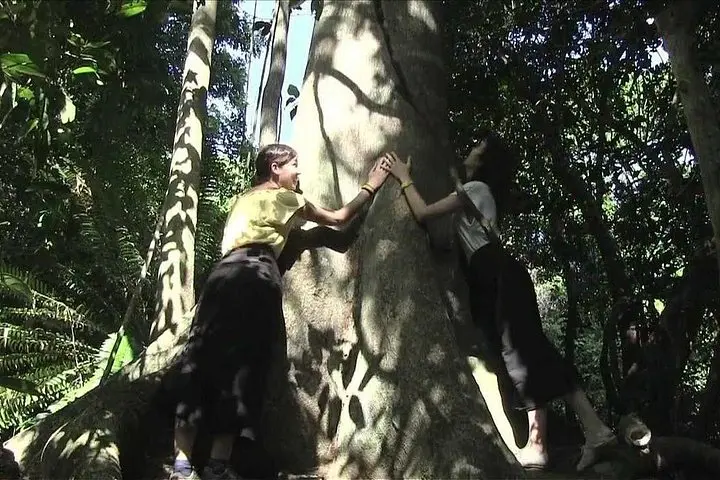
Expect a slow, interpretive walk rather than a strenuous hike — tangled roots, broken coral shelves and narrow paths demand steady footing. Guides point out medicinal plants, ritual places and the rules visitors must respect; there may be a moment to touch or ‘share’ your worries with an ancestral tree as tradition allows. Wildlife is subtle — birds, monkeys and insects that make the forest hum.
Practical notes: the tour runs about half a day; wear closed-toe shoes, bring 1L water and insect repellent, and plan to tip the guide. Photography may be restricted in sacred spaces, so ask before you shoot. Time your visit for morning or late afternoon to avoid mid-day heat and to hear more bird activity. The walk is accessible to most fitness levels but not suitable for travelers with serious back or heart issues.
Frequently asked questions
The activity is a half-day experience—about six hours including transport time provided by the tour operator; the forest walk itself is usually 1–2 hours.
Photography is generally permitted in non-ritual areas, but always ask your guide before photographing people or sacred sites.
Yes—children are allowed but must be supervised; some ritual areas may be restricted depending on local customs.
No. Trails are uneven with roots and coral fragments, so the forest is not suitable for wheelchairs or limited-mobility visitors.
About This Experience
ARP Travel Group operates guided outdoor trips and adventures with an emphasis on safety, stewardship, and memorable experiences.
Adventure tips
Recommended gear
- Closed-toe trail shoes: Protects feet on rooty, coral-strewn paths and provides better traction.
- Insect repellent: Reduces mosquito bites in shaded, humid forest areas.
- Sun hat & sunscreen: Useful for transfers and any exposed sections near forest edges.
- Reusable water bottle (1L): Keeps you hydrated during the walk and transit — bottled water may be available for purchase.
Photos of the experience
Related adventures & guides
Read the full experience
You step off the coastal road and into shade so sudden the heat seems to hesitate, roots routing underfoot like the history of the place itself. Sunlight threads through a low canopy; the air smells of damp earth, crushed leaves and salt carried from nearby Indian Ocean. A guide from the Digo community moves ahead, pausing to show you a gnarled tree that locals still regard as a living counsel.
You step off the coastal road and into shade so sudden the heat seems to hesitate, roots routing underfoot like the history of the place itself. Sunlight threads through a low canopy; the air smells of damp earth, crushed leaves and salt carried from nearby Indian Ocean. A guide from the Digo community moves ahead, pausing to show you a gnarled tree that locals still regard as a living counsel.
Kaya Kinondo is one of the coastal 'kaya' forests of the Mijikenda — sacred groves long used as ritual, meeting and burial sites. These patches of lowland coastal forest grow on coral rag and coastal sands; the geology explains the odd outcrops and pockets where endemic plants cling. The site is tied to living cultural practices: chants, boundary markers and oral histories are part of the visit when permitted.
Expect a slow, interpretive walk rather than a strenuous hike — tangled roots, broken coral shelves and narrow paths demand steady footing. Guides point out medicinal plants, ritual places and the rules visitors must respect; there may be a moment to touch or ‘share’ your worries with an ancestral tree as tradition allows. Wildlife is subtle — birds, monkeys and insects that make the forest hum.
Practical notes: the tour runs about half a day; wear closed-toe shoes, bring 1L water and insect repellent, and plan to tip the guide. Photography may be restricted in sacred spaces, so ask before you shoot. Time your visit for morning or late afternoon to avoid mid-day heat and to hear more bird activity. The walk is accessible to most fitness levels but not suitable for travelers with serious back or heart issues.
Make a day of it nearby.
Verified experiences and guided adventures in the surrounding area.