THE ADVENTURE COLLECTIVE® · Independent discovery and booking for outdoor travel

Paddle between small islands off Cala Sant Vicenç, then trade flatwater for cliff jumps, snorkeling lanes, and deep-water solo routes guided by local experts. This 3‑hour coasteering trip mixes accessible adrenaline with clear-water ecology and practical instruction.
Paddle between small islands off Cala Sant Vicenç, then trade flatwater for cliff jumps, snorkeling lanes, and deep-water solo routes guided by local experts. This 3‑hour coasteering trip mixes accessible adrenaline with clear-water ecology and practical instruction.
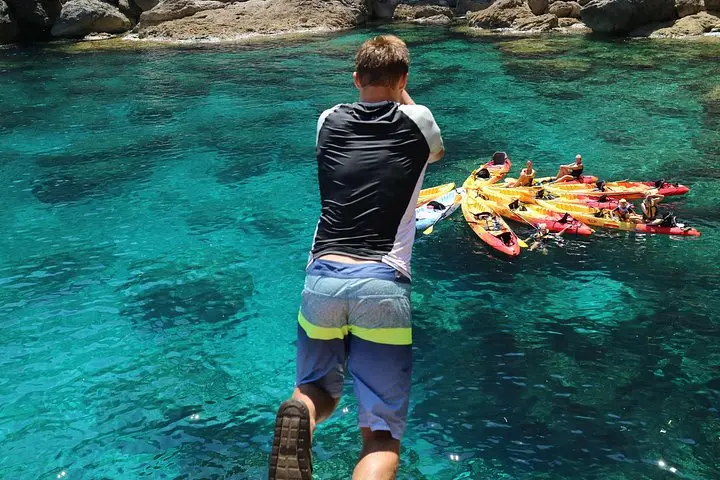
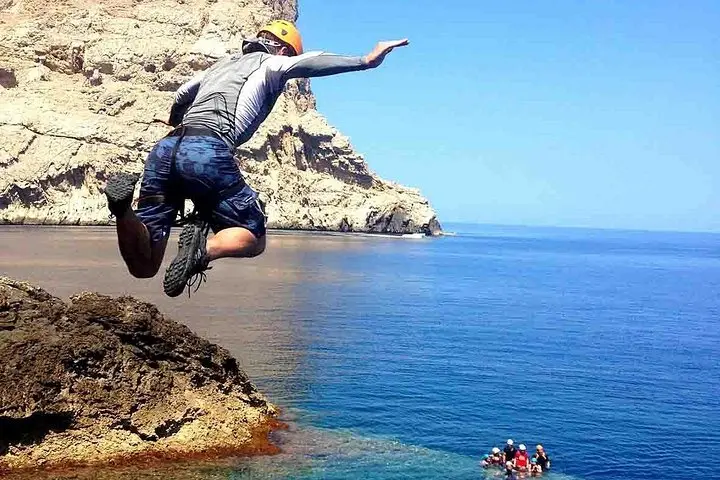
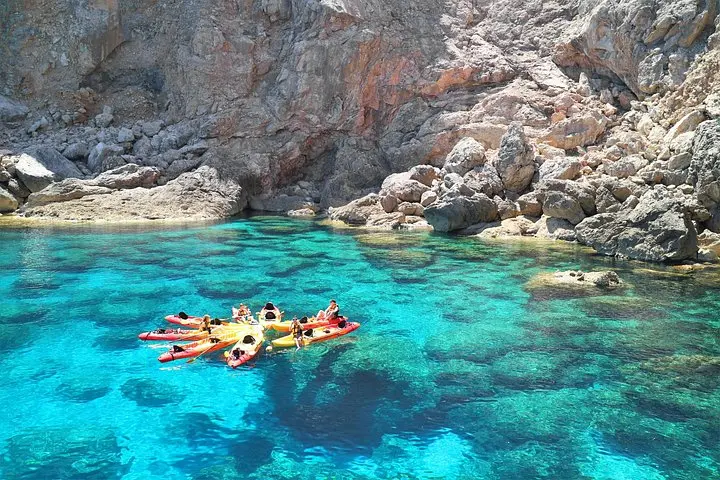
The sea here has attitude: a bright Mallorcan blue that drives itself into narrow coves and nicks the base of limestone cliffs. Participants launch from a pebble beach at Cala Sant Vicenç, paddle between little islands and reef teeth, and step into an adventure zone where guides time cliff jumps, mark snorkel channels, and point out holds for deep-water solo moves.
Verified experiences and guided adventures in the surrounding area.
Operated by Mon d'Aventura · Cala Sant Vicenç, Balearic Islands
The sea here has attitude: a bright Mallorcan blue that drives itself into narrow coves and nicks the base of limestone cliffs. Participants launch from a pebble beach at Cala Sant Vicenç, paddle between little islands and reef teeth, and step into an adventure zone where guides time cliff jumps, mark snorkel channels, and point out holds for deep-water solo moves.
Geology shows in the white, weathered limestone—karst ridges and vertical faces scarred by wind and winter storms—while local fishing culture still colors small harbors nearby. The coastline around Pollença was shaped by ancient seas and human hands; fishermen’s paths now double as access routes for modern coasteering. Guides typically weave short history and safety into the route, so you move from scenic paddling to adrenaline features with context.
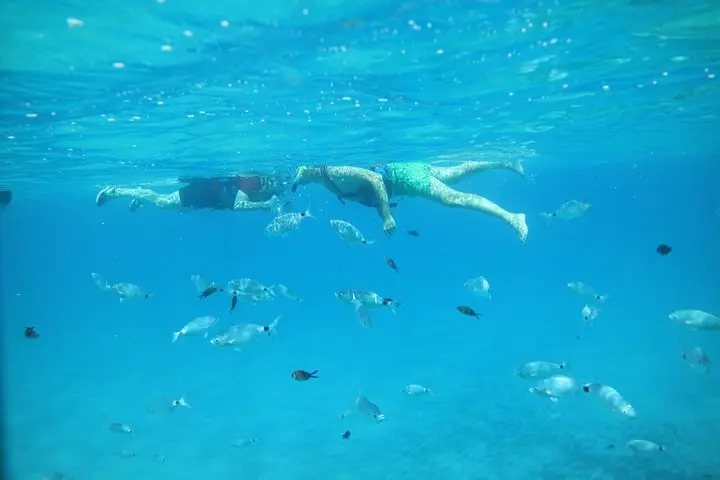
Expect a mix of sheltered paddling, short swims between rocks, cliff steps of 2–8 meters, and easy unroped bouldering over deep water. Water is often clear; look down for Posidonia meadows and occasional sea bream. Guides provide kayaks, basic masks, and instruction—this is active, social, and beginner-friendly if you can swim.
Practical: arrive with reef shoes, sunscreen, and a light dry bag; hydrate before launching. Time trips for morning or late afternoon to avoid peak sun and boat traffic. If you’re nervous about a jump, guides offer lower alternatives and coach technique. The experience balances marine ecology and responsible thrills—leave no trace and avoid touching underwater plants. In short, it’s a focused coastal day that serves up paddling, snorkeling, and salt-tasting climbs in one compact session.
No—basic paddling instruction is provided, but you should be comfortable in open water and able to swim short distances.
No—guides present graded options and alternatives for each jump so guests can opt out or try lower heights first.
Tours typically suit teenagers and adults; participants with spinal, heart, or pregnancy issues are advised not to join.
Kayaks, buoyancy aids, helmets for coasteering segments, basic masks/snorkels, and qualified guides are included.
Mon d'Aventura operates guided outdoor trips and adventures with an emphasis on safety, stewardship, and memorable experiences.
The sea here has attitude: a bright Mallorcan blue that drives itself into narrow coves and nicks the base of limestone cliffs. Participants launch from a pebble beach at Cala Sant Vicenç, paddle between little islands and reef teeth, and step into an adventure zone where guides time cliff jumps, mark snorkel channels, and point out holds for deep-water solo moves.
The sea here has attitude: a bright Mallorcan blue that drives itself into narrow coves and nicks the base of limestone cliffs. Participants launch from a pebble beach at Cala Sant Vicenç, paddle between little islands and reef teeth, and step into an adventure zone where guides time cliff jumps, mark snorkel channels, and point out holds for deep-water solo moves.
Geology shows in the white, weathered limestone—karst ridges and vertical faces scarred by wind and winter storms—while local fishing culture still colors small harbors nearby. The coastline around Pollença was shaped by ancient seas and human hands; fishermen’s paths now double as access routes for modern coasteering. Guides typically weave short history and safety into the route, so you move from scenic paddling to adrenaline features with context.
Expect a mix of sheltered paddling, short swims between rocks, cliff steps of 2–8 meters, and easy unroped bouldering over deep water. Water is often clear; look down for Posidonia meadows and occasional sea bream. Guides provide kayaks, basic masks, and instruction—this is active, social, and beginner-friendly if you can swim.
Practical: arrive with reef shoes, sunscreen, and a light dry bag; hydrate before launching. Time trips for morning or late afternoon to avoid peak sun and boat traffic. If you’re nervous about a jump, guides offer lower alternatives and coach technique. The experience balances marine ecology and responsible thrills—leave no trace and avoid touching underwater plants. In short, it’s a focused coastal day that serves up paddling, snorkeling, and salt-tasting climbs in one compact session.