THE ADVENTURE COLLECTIVE® · Independent discovery and booking for outdoor travel

Paddle across high‑altitude waters to the ancient reed islands of the Uros and spend a night with a host family. This two‑day trip blends easy kayaking, hands‑on island activities, and an authentic homestay on Lake Titicaca.
Paddle across high‑altitude waters to the ancient reed islands of the Uros and spend a night with a host family. This two‑day trip blends easy kayaking, hands‑on island activities, and an authentic homestay on Lake Titicaca.
You push off from a small wooden pier at sunrise, the wind crisp enough to sting your cheeks, and Lake Titicaca opens like a slow, demanding host. The kayak cuts a thin wake across cold blue water while reed islands bob near the horizon, homes and boats crafted from the same material that holds them above the lake.
Verified experiences and guided adventures in the surrounding area.
Operated by Titicaca Worldwide · Puno, Puno
You push off from a small wooden pier at sunrise, the wind crisp enough to sting your cheeks, and Lake Titicaca opens like a slow, demanding host. The kayak cuts a thin wake across cold blue water while reed islands bob near the horizon, homes and boats crafted from the same material that holds them above the lake.
The Uros people have lived here since pre‑Inca times, building and maintaining floating islands from totora reeds. Geologically, Titicaca sits high on the Altiplano—about 3,800 m—its basin carved by glacial action and fed by Andean rivers. Culture and daily life are practical: reed cutting, weaving, fishing and solar panels patched onto simple roofs. Evenings are quiet, with stars lowering their light close enough to touch.
Practical guidance: the trip typically includes a short kayak paddle (1–2 hours depending on wind) and an overnight homestay. Expect basic lodging, communal meals (trout or chicken), and opportunities to help with reed work and fishing. Altitude affects breathing—move deliberately, hydrate, and avoid heavy exertion the first day. Sun exposure is intense at this elevation, and weather shifts quickly; pack insulating layers and a waterproof shell.
Respect local customs: ask before photographing people, accept demonstrations of weaving or reed cutting as learning opportunities, and minimize plastic waste. The experience is equal parts light paddling, cultural exchange, and slow time on the lake—perfect for travelers who want active hours balanced with the rhythm of island life.
Typical paddling between the mainland and Uros islands is 1–2 hours total, depending on wind and the specific launch point.
Facilities are basic; homestays may have simple composting or pit latrines—bring hand sanitizer and biodegradable toilet paper.
The trip is designed to be accessible, but consider altitude and the need to enter/exit kayaks; inform the operator of any mobility or health concerns.
No, basic Spanish or gestures are enough—hosts are accustomed to visitors and cultural exchange is often hands‑on rather than language‑dependent.
Titicaca Worldwide operates guided outdoor trips and adventures with an emphasis on safety, stewardship, and memorable experiences.
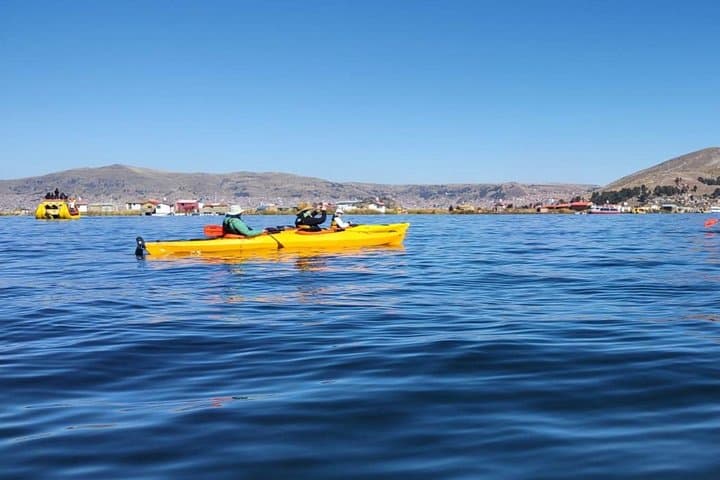
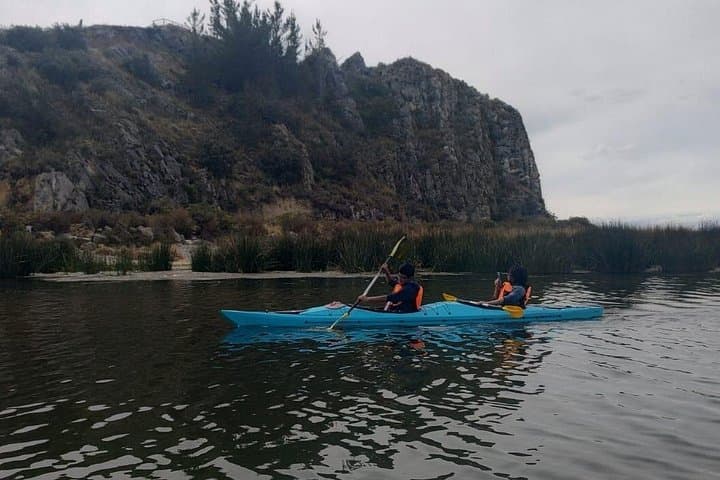
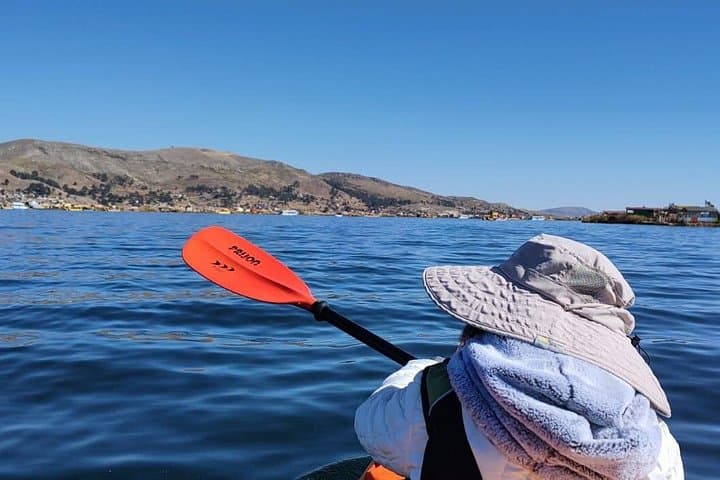
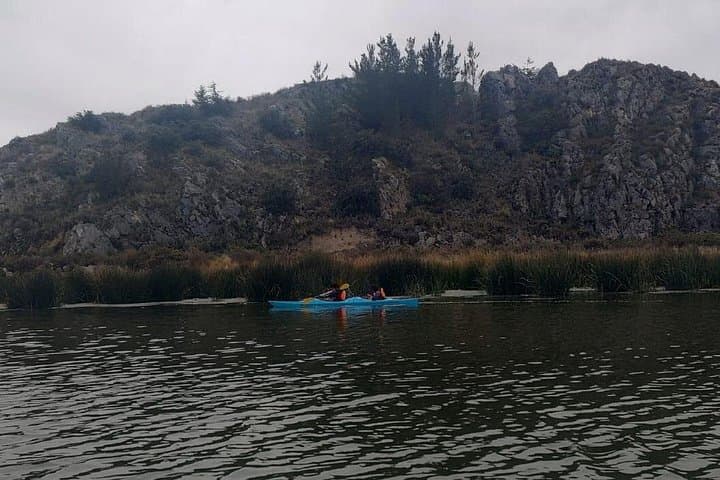
You push off from a small wooden pier at sunrise, the wind crisp enough to sting your cheeks, and Lake Titicaca opens like a slow, demanding host. The kayak cuts a thin wake across cold blue water while reed islands bob near the horizon, homes and boats crafted from the same material that holds them above the lake.
You push off from a small wooden pier at sunrise, the wind crisp enough to sting your cheeks, and Lake Titicaca opens like a slow, demanding host. The kayak cuts a thin wake across cold blue water while reed islands bob near the horizon, homes and boats crafted from the same material that holds them above the lake.
The Uros people have lived here since pre‑Inca times, building and maintaining floating islands from totora reeds. Geologically, Titicaca sits high on the Altiplano—about 3,800 m—its basin carved by glacial action and fed by Andean rivers. Culture and daily life are practical: reed cutting, weaving, fishing and solar panels patched onto simple roofs. Evenings are quiet, with stars lowering their light close enough to touch.
Practical guidance: the trip typically includes a short kayak paddle (1–2 hours depending on wind) and an overnight homestay. Expect basic lodging, communal meals (trout or chicken), and opportunities to help with reed work and fishing. Altitude affects breathing—move deliberately, hydrate, and avoid heavy exertion the first day. Sun exposure is intense at this elevation, and weather shifts quickly; pack insulating layers and a waterproof shell.
Respect local customs: ask before photographing people, accept demonstrations of weaving or reed cutting as learning opportunities, and minimize plastic waste. The experience is equal parts light paddling, cultural exchange, and slow time on the lake—perfect for travelers who want active hours balanced with the rhythm of island life.