THE ADVENTURE COLLECTIVE® · Independent discovery and booking for outdoor travel

Paddle through narrow mangrove tunnels, watch dolphins arc past, and search for slow-moving manatees on this small-group, two-hour guided kayak tour in Cocoa Beach’s sheltered lagoon. Perfect for first-time paddlers who want a close, respectful wildlife encounter.
Paddle through narrow mangrove tunnels, watch dolphins arc past, and search for slow-moving manatees on this small-group, two-hour guided kayak tour in Cocoa Beach’s sheltered lagoon. Perfect for first-time paddlers who want a close, respectful wildlife encounter.
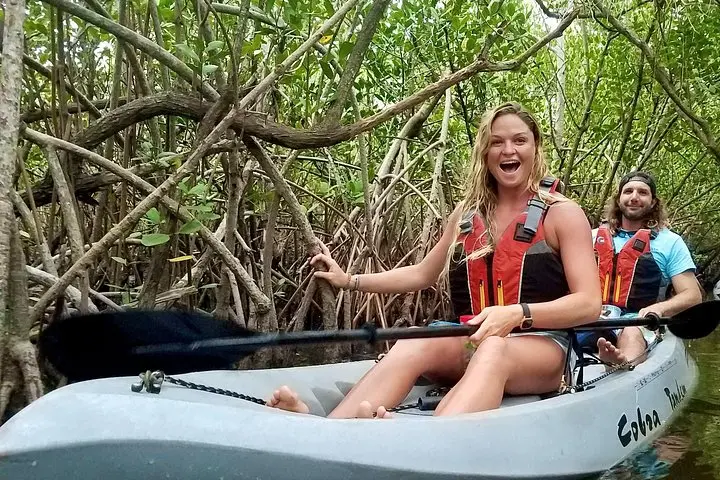
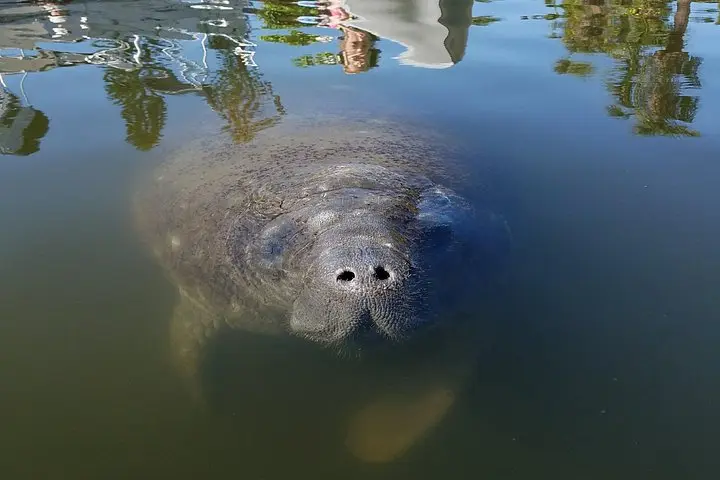
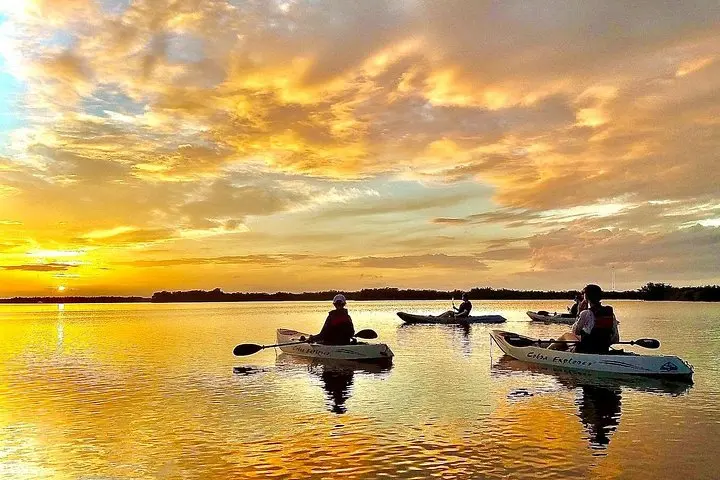
The first strokes push you away from a low, mangrove-lined shore and into a narrow green corridor where light sifts through leaves and water reflects the sky like a moving map. Kayaks slip quietly beneath tangled roots; the air tastes faintly of brine and cut grass. Dolphins slip past with casual confidence and, if luck holds, a manatee’s rounded back will break the water nearby, inquisitive and slow.
Verified experiences and guided adventures in the surrounding area.
Operated by Fin Expeditions · Cocoa Beach, Florida
The first strokes push you away from a low, mangrove-lined shore and into a narrow green corridor where light sifts through leaves and water reflects the sky like a moving map. Kayaks slip quietly beneath tangled roots; the air tastes faintly of brine and cut grass. Dolphins slip past with casual confidence and, if luck holds, a manatee’s rounded back will break the water nearby, inquisitive and slow.
This stretch of the Indian River Lagoon and nearby estuaries formed where a barrier island meets the mainland, creating tidal channels and mangrove mazes that have sheltered wildlife and local fisheries for centuries. Indigenous Ais people once navigated these waters; today small commercial operations run guided conservation-minded tours and teach basic paddling and identification skills.
Expect tight channels, shaded tunnels of red and black mangroves, and open flats where seabirds hunt. Guides limit groups to keep noise low and encounters genuine; tandem kayaks and high-back seats make the route approachable for new paddlers. Tours run about two hours and emphasize noninvasive viewing — keep a respectful distance from manatees and avoid blocking dolphin travel lanes.
Practical tips: arrive early to beat heat and afternoon winds, wear reef-safe sunscreen, and bring a leakproof water bottle and a light wind layer. Though physically easy, the trip requires basic balance and the ability to sit in a kayak for two hours. Tides affect how deep tunnels feel and when wildlife gathers, so check tide tables and follow guide instructions. This is a short, accessible way to see Florida’s coastal ecosystems close and quiet—an active, interpretive paddle that blends wildlife watching with hands-on learning.
Sightings are common but never guaranteed; tours concentrate on known feeding and travel areas to maximize chances.
Yes—tours are beginner-friendly and guides provide basic paddling instruction; children should be able to sit safely in a kayak and some operators require young children to sit on an adult’s lap.
Yes—high-back seats, paddles, and life jackets are included; most guests use tandem kayaks unless single kayaks are available.
Full refunds are typically available if you cancel at least 24 hours before departure; operators may cancel tours in bad weather and offer a refund or rebooking.
Fin Expeditions operates guided outdoor trips and adventures with an emphasis on safety, stewardship, and memorable experiences.
The first strokes push you away from a low, mangrove-lined shore and into a narrow green corridor where light sifts through leaves and water reflects the sky like a moving map. Kayaks slip quietly beneath tangled roots; the air tastes faintly of brine and cut grass. Dolphins slip past with casual confidence and, if luck holds, a manatee’s rounded back will break the water nearby, inquisitive and slow.
The first strokes push you away from a low, mangrove-lined shore and into a narrow green corridor where light sifts through leaves and water reflects the sky like a moving map. Kayaks slip quietly beneath tangled roots; the air tastes faintly of brine and cut grass. Dolphins slip past with casual confidence and, if luck holds, a manatee’s rounded back will break the water nearby, inquisitive and slow.
This stretch of the Indian River Lagoon and nearby estuaries formed where a barrier island meets the mainland, creating tidal channels and mangrove mazes that have sheltered wildlife and local fisheries for centuries. Indigenous Ais people once navigated these waters; today small commercial operations run guided conservation-minded tours and teach basic paddling and identification skills.
Expect tight channels, shaded tunnels of red and black mangroves, and open flats where seabirds hunt. Guides limit groups to keep noise low and encounters genuine; tandem kayaks and high-back seats make the route approachable for new paddlers. Tours run about two hours and emphasize noninvasive viewing — keep a respectful distance from manatees and avoid blocking dolphin travel lanes.
Practical tips: arrive early to beat heat and afternoon winds, wear reef-safe sunscreen, and bring a leakproof water bottle and a light wind layer. Though physically easy, the trip requires basic balance and the ability to sit in a kayak for two hours. Tides affect how deep tunnels feel and when wildlife gathers, so check tide tables and follow guide instructions. This is a short, accessible way to see Florida’s coastal ecosystems close and quiet—an active, interpretive paddle that blends wildlife watching with hands-on learning.