THE ADVENTURE COLLECTIVE® · Independent discovery and booking for outdoor travel

Paddle a private route through the estuary with sweeping views of Mendenhall Glacier, guided instruction, dry suits, and round-trip transport from the Juneau cruise docks. Expect close wildlife encounters and a 3.5-hour, moderately paced outing.
Paddle a private route through the estuary with sweeping views of Mendenhall Glacier, guided instruction, dry suits, and round-trip transport from the Juneau cruise docks. Expect close wildlife encounters and a 3.5-hour, moderately paced outing.
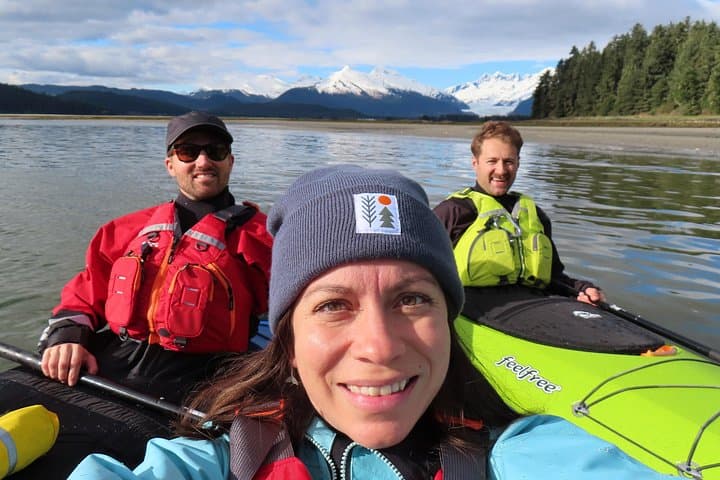
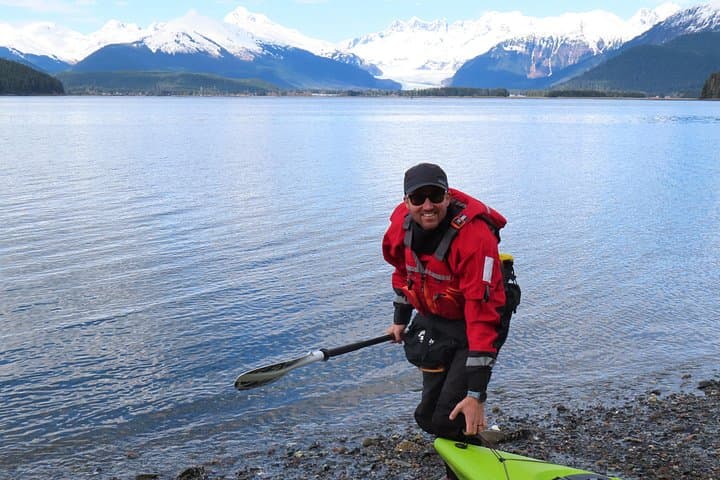
A low mist lifts off the estuary as you push from the Juneau docks and the first slab of blue-white ice appears on the horizon. The water here answers the rhythm of your paddle; the glacier advances in silence and the gulls call you forward. Guides fit you into dry suits and kayaks, and even when the wind bites, the suit keeps you warm—keeping the elements at bay so you can read the landscape.
Verified experiences and guided adventures in the surrounding area.
Operated by Paddle Juneau · Juneau, Alaska
A low mist lifts off the estuary as you push from the Juneau docks and the first slab of blue-white ice appears on the horizon. The water here answers the rhythm of your paddle; the glacier advances in silence and the gulls call you forward. Guides fit you into dry suits and kayaks, and even when the wind bites, the suit keeps you warm—keeping the elements at bay so you can read the landscape.
This stretch of water sits at the edge of the Tongass National Forest where glacial ice has sculpted fjords and deposited moraines that now shelter eelgrass beds and tidal channels. The glacier itself has retreated dramatically since the 19th century, a visible record of changing climate. Tlingit communities have long fished these waters and the shoreline still holds cultural sites and subsistence camps—observe respectfully and ask guides about local history.
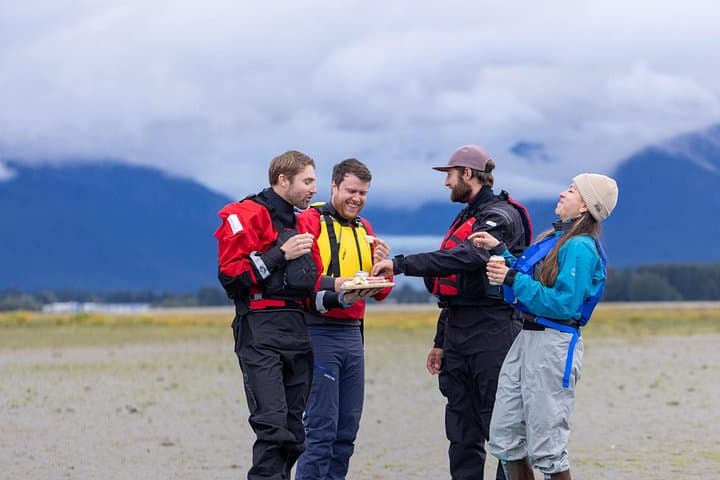
Expect estuarine paddling: flat to mildly choppy water with floating ice in late spring and summer, and strong tidal currents at channel narrows. Wildlife is the draw—bald eagles wheel over gravel spits, harbor seals pop up near ice floes, and the guides watch for whale blows offshore. Practical notes: the operator supplies dry suits, PFDs, kayaks, snacks and round-trip transport from the cruise docks; plan for roughly 3.5 hours total, dress in moisture-wicking base layers, and bring a camera with a weatherproof case. Weather can shift fast—book early-day departures for clearer views and calmer water.
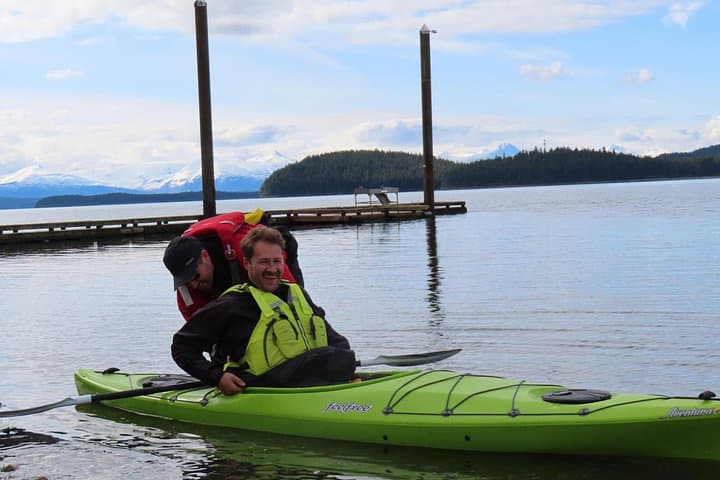
No—guides provide instruction for beginners and teach sit, kneel, or stand options; basic fitness helps with paddling endurance.
Yes—dry suits, life vests, kayaks, paddles and footwear are included so you stay dry and warm even if you get wet.
Common sightings include bald eagles, harbor seals, sea lions, and seasonal whale activity—sightings are never guaranteed but guides know the best viewing zones.
The operator may cancel for unsafe weather or poor visibility; you can get a full refund if you cancel at least 24 hours before departure per the tour policy.
Paddle Juneau operates guided outdoor trips and adventures with an emphasis on safety, stewardship, and memorable experiences.
A low mist lifts off the estuary as you push from the Juneau docks and the first slab of blue-white ice appears on the horizon. The water here answers the rhythm of your paddle; the glacier advances in silence and the gulls call you forward. Guides fit you into dry suits and kayaks, and even when the wind bites, the suit keeps you warm—keeping the elements at bay so you can read the landscape.
A low mist lifts off the estuary as you push from the Juneau docks and the first slab of blue-white ice appears on the horizon. The water here answers the rhythm of your paddle; the glacier advances in silence and the gulls call you forward. Guides fit you into dry suits and kayaks, and even when the wind bites, the suit keeps you warm—keeping the elements at bay so you can read the landscape.
This stretch of water sits at the edge of the Tongass National Forest where glacial ice has sculpted fjords and deposited moraines that now shelter eelgrass beds and tidal channels. The glacier itself has retreated dramatically since the 19th century, a visible record of changing climate. Tlingit communities have long fished these waters and the shoreline still holds cultural sites and subsistence camps—observe respectfully and ask guides about local history.
Expect estuarine paddling: flat to mildly choppy water with floating ice in late spring and summer, and strong tidal currents at channel narrows. Wildlife is the draw—bald eagles wheel over gravel spits, harbor seals pop up near ice floes, and the guides watch for whale blows offshore. Practical notes: the operator supplies dry suits, PFDs, kayaks, snacks and round-trip transport from the cruise docks; plan for roughly 3.5 hours total, dress in moisture-wicking base layers, and bring a camera with a weatherproof case. Weather can shift fast—book early-day departures for clearer views and calmer water.