THE ADVENTURE COLLECTIVE® · Independent discovery and booking for outdoor travel

Paddle the sheltered waters of Pelican Point on a half-day guided kayak tour from Walvis Bay. Observe Cape fur seals, dolphins, and birdlife from close but respectful distances while guides handle transfers across the lagoon.
Paddle the sheltered waters of Pelican Point on a half-day guided kayak tour from Walvis Bay. Observe Cape fur seals, dolphins, and birdlife from close but respectful distances while guides handle transfers across the lagoon.
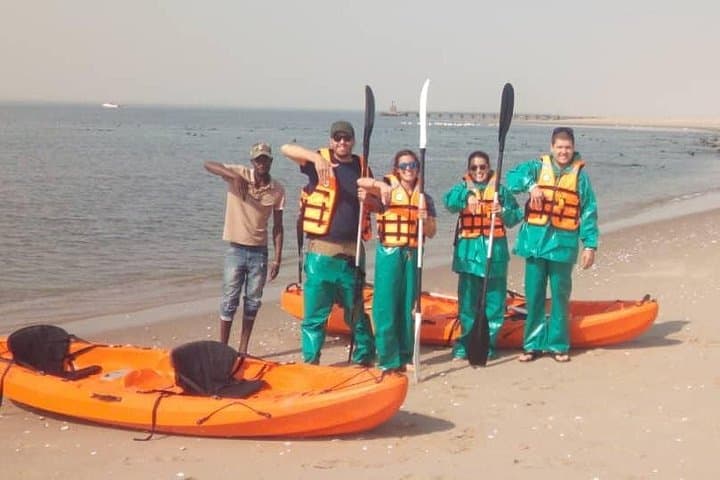
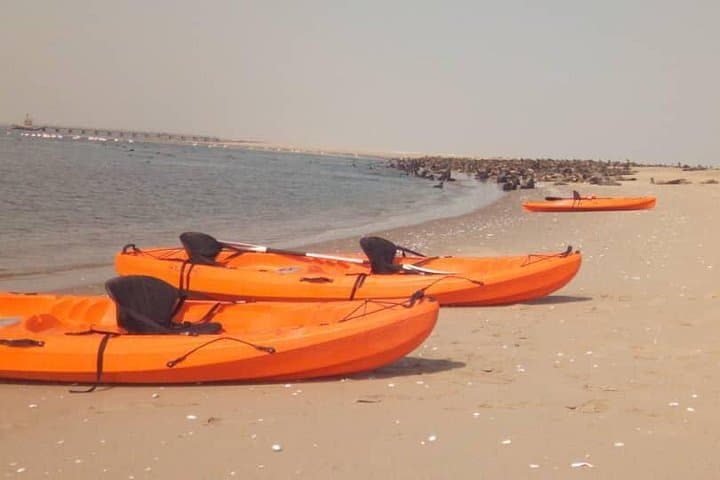
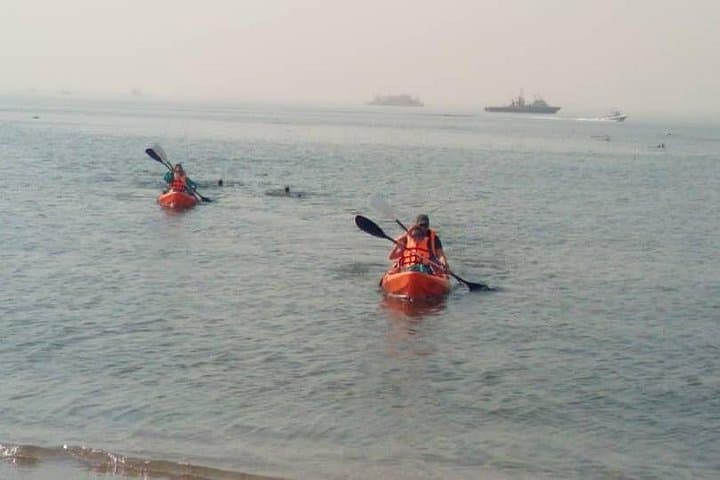
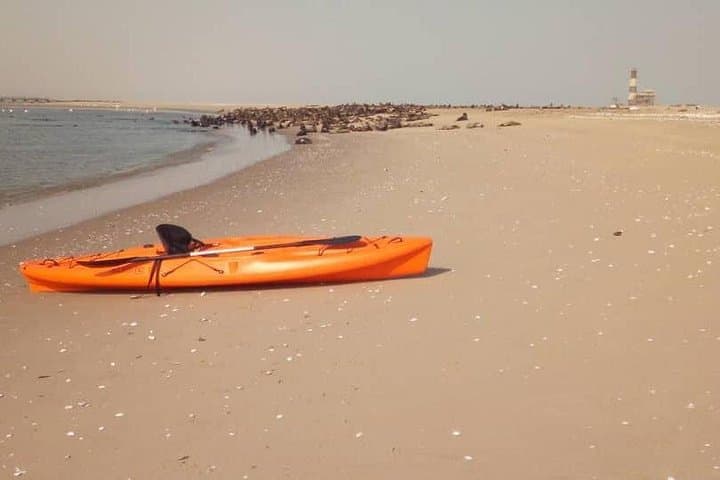
The morning light on Walvis Bay slices across a low, salt-flat horizon as guides load kayaks into a waiting 4x4. Within minutes you’re crossing the lagoon toward Pelican Point, the narrow spit where wind-carved dunes meet cold Atlantic swell and a colony of Cape fur seals barks and shuffles along the shoreline. Paddling stays in protected waters near the peninsula, so the focus is on slow, deliberate observation — dolphins weaving through channels, flamingos probing shallow flats, and pelicans riding thermals off the sand.
Verified experiences and guided adventures in the surrounding area.
Operated by Photo Ventures Namibia - Day Tours · Walvis Bay, Erongo
The morning light on Walvis Bay slices across a low, salt-flat horizon as guides load kayaks into a waiting 4x4. Within minutes you’re crossing the lagoon toward Pelican Point, the narrow spit where wind-carved dunes meet cold Atlantic swell and a colony of Cape fur seals barks and shuffles along the shoreline. Paddling stays in protected waters near the peninsula, so the focus is on slow, deliberate observation — dolphins weaving through channels, flamingos probing shallow flats, and pelicans riding thermals off the sand.
Pelican Point has long been a navigational landmark for local fishers; the peninsula’s sands are shaped by coastal upwelling and persistent southerly winds that create expansive tidal flats and a dynamic interface between desert and sea. The nearby salt works and lagoon play a role in regional industry and bird habitat, while local guides draw on generations of coastal knowledge to read currents and wildlife patterns.
Expect brief transfers by 4x4 across gritty salt pans, a kayaking briefing, and guided paddling in calm, sheltered water with frequent stops for photo and wildlife viewing. The route is short and sheltered, but wind can pick up quickly; timing trips around high tide and morning hours improves calm-water conditions. Practical prep: layered windproof clothing, sun protection, a sealed camera or dry bag, and a refillable water bottle. Listen closely to guides about seal distance and never approach hauled-out animals. The tour balances low-impact wildlife viewing with accessible paddling — a compact coastal outing that places you close to some of Namibia’s most animated marine life.
No — guides provide basic instruction and the route stays in protected waters; however, being comfortable with light paddling helps.
Common sightings include Cape fur seals, Heaviside's and bottlenose dolphins, flamingos and numerous shorebirds; sightings depend on season and tide.
Age and booking policies can vary by operator; mention ages when booking and expect weight or size limits for safety equipment.
Tours may be canceled for safety when wind or swell is high; operators generally offer refunds or rescheduling if conditions force cancellation.
Photo Ventures Namibia - Day Tours operates guided outdoor trips and adventures with an emphasis on safety, stewardship, and memorable experiences.
The morning light on Walvis Bay slices across a low, salt-flat horizon as guides load kayaks into a waiting 4x4. Within minutes you’re crossing the lagoon toward Pelican Point, the narrow spit where wind-carved dunes meet cold Atlantic swell and a colony of Cape fur seals barks and shuffles along the shoreline. Paddling stays in protected waters near the peninsula, so the focus is on slow, deliberate observation — dolphins weaving through channels, flamingos probing shallow flats, and pelicans riding thermals off the sand.
The morning light on Walvis Bay slices across a low, salt-flat horizon as guides load kayaks into a waiting 4x4. Within minutes you’re crossing the lagoon toward Pelican Point, the narrow spit where wind-carved dunes meet cold Atlantic swell and a colony of Cape fur seals barks and shuffles along the shoreline. Paddling stays in protected waters near the peninsula, so the focus is on slow, deliberate observation — dolphins weaving through channels, flamingos probing shallow flats, and pelicans riding thermals off the sand.
Pelican Point has long been a navigational landmark for local fishers; the peninsula’s sands are shaped by coastal upwelling and persistent southerly winds that create expansive tidal flats and a dynamic interface between desert and sea. The nearby salt works and lagoon play a role in regional industry and bird habitat, while local guides draw on generations of coastal knowledge to read currents and wildlife patterns.
Expect brief transfers by 4x4 across gritty salt pans, a kayaking briefing, and guided paddling in calm, sheltered water with frequent stops for photo and wildlife viewing. The route is short and sheltered, but wind can pick up quickly; timing trips around high tide and morning hours improves calm-water conditions. Practical prep: layered windproof clothing, sun protection, a sealed camera or dry bag, and a refillable water bottle. Listen closely to guides about seal distance and never approach hauled-out animals. The tour balances low-impact wildlife viewing with accessible paddling — a compact coastal outing that places you close to some of Namibia’s most animated marine life.