THE ADVENTURE COLLECTIVE® · Independent discovery and booking for outdoor travel

Paddle from La Paz’s malecon into Bahía de La Paz on a short, wildlife-rich kayak safari. Over about 6 km and 2–2.5 hours you’ll watch mangroves, endemic birds, and the chance of dolphins while a guide handles logistics.
Paddle from La Paz’s malecon into Bahía de La Paz on a short, wildlife-rich kayak safari. Over about 6 km and 2–2.5 hours you’ll watch mangroves, endemic birds, and the chance of dolphins while a guide handles logistics.
The paddle launches from La Paz’s malecon with the city’s heat behind you and the bay stretching forward, a wide blue that dares you to move into it. Plastic expedition kayaks cut through glassy water toward the mogote mangroves; gulls wheel overhead and, with luck, dolphins arc alongside the bow. The rhythm of paddle strokes sets the pace—measured, steady, photo-ready.
Verified experiences and guided adventures in the surrounding area.
Operated by PLAYERITO BCS · La Paz, Baja California Sur
The paddle launches from La Paz’s malecon with the city’s heat behind you and the bay stretching forward, a wide blue that dares you to move into it. Plastic expedition kayaks cut through glassy water toward the mogote mangroves; gulls wheel overhead and, with luck, dolphins arc alongside the bow. The rhythm of paddle strokes sets the pace—measured, steady, photo-ready.
Geologically, Bahía de La Paz is a shallow gulf where the Baja Peninsula meets the Sea of Cortez, a region Jacques Cousteau called “the world’s aquarium” for its extraordinary marine life. The mangrove stands are young compared with inland oases but essential: they trap sediment, protect shorelines, and host endemics. Culturally, La Paz is a working port with a relaxed waterfront culture—fishermen, market stalls, and seafood kitchens anchor the malecon where tours begin.
Expect roughly 6 km of paddling over about 2–2.5 hours, mostly calm water but with occasional wind and current that can make sections more physical. Guides point out birdlife and marine mammals and handle route decisions; you’ll stop for photos and quiet observation near mangrove channels.
Practical guidance: bring reef-safe sunscreen, a wide-brim hat, and a refillable water bottle; secure cameras in a dry bag. Wear water shoes or sandals with straps—footwear matters when launching from a rocky shore. If you’re new to kayaking, ask for a quick skills demo at the start; a basic forward stroke and wet-exit drill are usually covered. Tours often operate year-round but are best in calm seasonal windows (spring and fall) for wildlife sightings and smoother water.
The tour covers roughly 6 km and lasts about 2–2.5 hours from launch to return, including stops for photos and wildlife viewing.
Sightings are common but not guaranteed; dolphins, pelicans, and endemic shorebirds are frequently observed when conditions are calm.
Yes—guides provide a safety briefing and basic paddle instruction; participants should be comfortable sitting and paddling for the tour duration.
Tours may be canceled or rescheduled if wind or sea conditions are unsafe; operators typically refund if canceled at least 24 hours prior as per their policy.
PLAYERITO BCS operates guided outdoor trips and adventures with an emphasis on safety, stewardship, and memorable experiences.
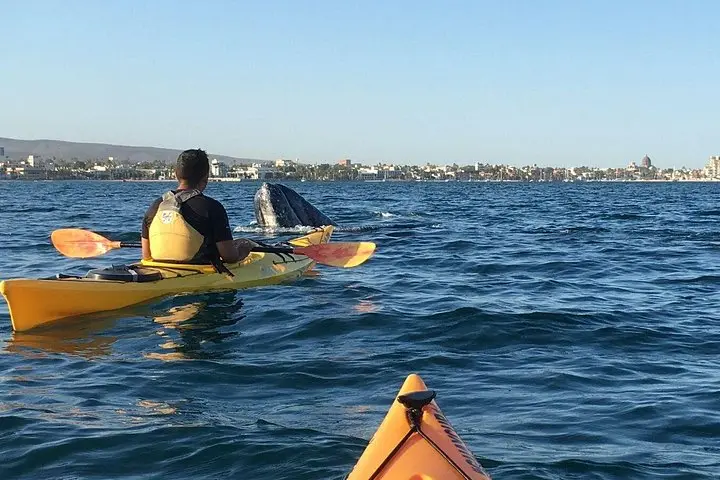
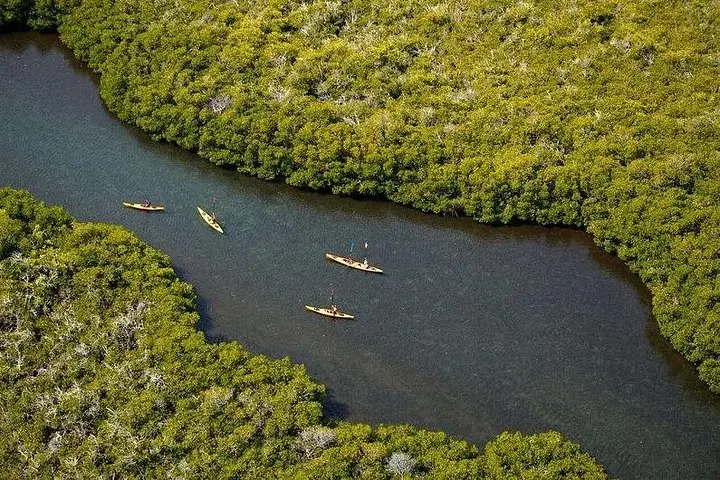
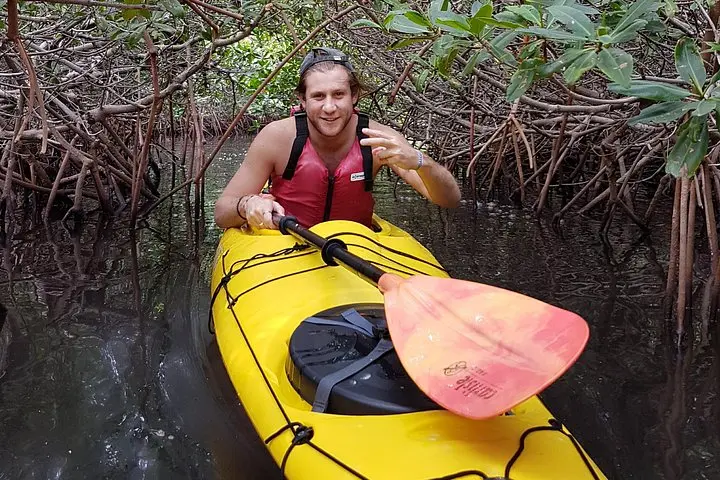
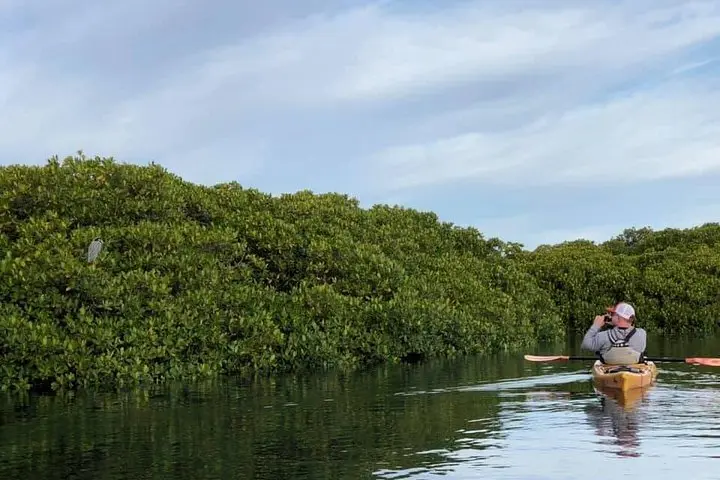
The paddle launches from La Paz’s malecon with the city’s heat behind you and the bay stretching forward, a wide blue that dares you to move into it. Plastic expedition kayaks cut through glassy water toward the mogote mangroves; gulls wheel overhead and, with luck, dolphins arc alongside the bow. The rhythm of paddle strokes sets the pace—measured, steady, photo-ready.
The paddle launches from La Paz’s malecon with the city’s heat behind you and the bay stretching forward, a wide blue that dares you to move into it. Plastic expedition kayaks cut through glassy water toward the mogote mangroves; gulls wheel overhead and, with luck, dolphins arc alongside the bow. The rhythm of paddle strokes sets the pace—measured, steady, photo-ready.
Geologically, Bahía de La Paz is a shallow gulf where the Baja Peninsula meets the Sea of Cortez, a region Jacques Cousteau called “the world’s aquarium” for its extraordinary marine life. The mangrove stands are young compared with inland oases but essential: they trap sediment, protect shorelines, and host endemics. Culturally, La Paz is a working port with a relaxed waterfront culture—fishermen, market stalls, and seafood kitchens anchor the malecon where tours begin.
Expect roughly 6 km of paddling over about 2–2.5 hours, mostly calm water but with occasional wind and current that can make sections more physical. Guides point out birdlife and marine mammals and handle route decisions; you’ll stop for photos and quiet observation near mangrove channels.
Practical guidance: bring reef-safe sunscreen, a wide-brim hat, and a refillable water bottle; secure cameras in a dry bag. Wear water shoes or sandals with straps—footwear matters when launching from a rocky shore. If you’re new to kayaking, ask for a quick skills demo at the start; a basic forward stroke and wet-exit drill are usually covered. Tours often operate year-round but are best in calm seasonal windows (spring and fall) for wildlife sightings and smoother water.