THE ADVENTURE COLLECTIVE® · Independent discovery and booking for outdoor travel

Explore the mangrove channels of Purple Island on a guided 4-hour kayak tour from Doha. Paddle narrow waterways, spot shorebirds and crabs, and learn about the coastal ecology and local tidal rhythms.
Explore the mangrove channels of Purple Island on a guided 4-hour kayak tour from Doha. Paddle narrow waterways, spot shorebirds and crabs, and learn about the coastal ecology and local tidal rhythms.
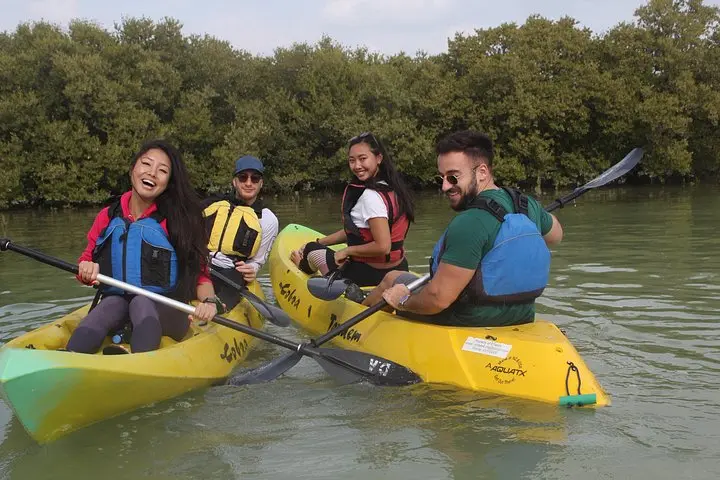
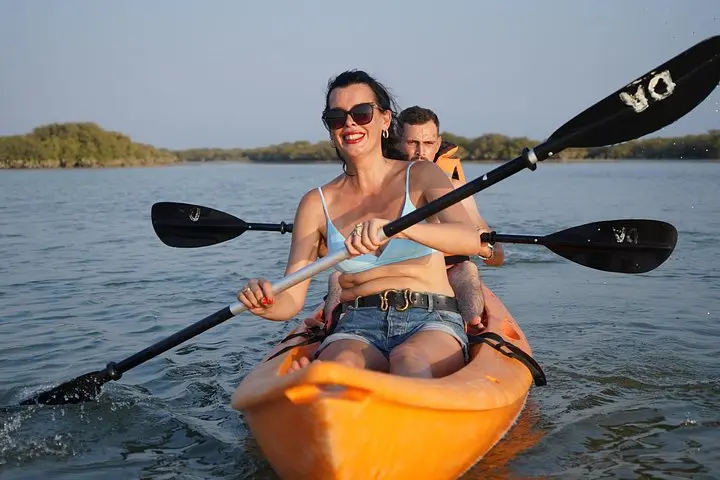
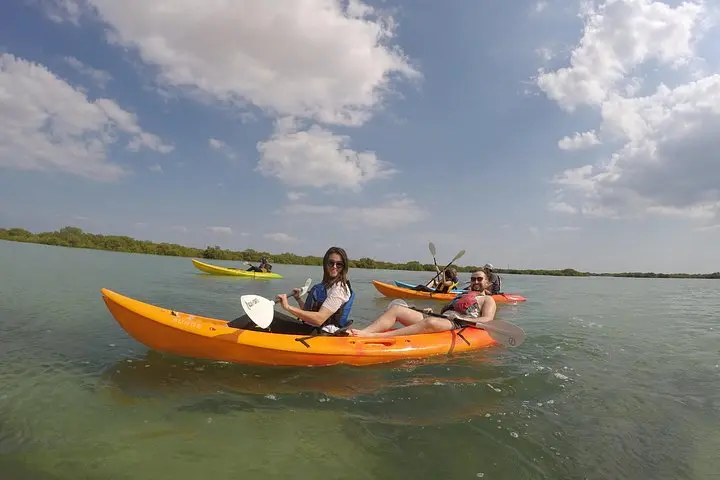
You push off from the mudflats and the paddle bites into tannin-dark water, the mangrove roots closing like fingers around a hidden corridor. Light filters through a lattice of pneumatophores; egrets tiptoe on exposed roots while the guide calls out a distant kingfisher. The rhythm of strokes sets the pace — slow enough to notice fiddler crabs polishing the shoreline, quick enough to round a bend before a gull lifts off.
Verified experiences and guided adventures in the surrounding area.
Operated by Discover Arabia For Tourism · Al Khor, Al Khor
You push off from the mudflats and the paddle bites into tannin-dark water, the mangrove roots closing like fingers around a hidden corridor. Light filters through a lattice of pneumatophores; egrets tiptoe on exposed roots while the guide calls out a distant kingfisher. The rhythm of strokes sets the pace — slow enough to notice fiddler crabs polishing the shoreline, quick enough to round a bend before a gull lifts off.
Purple Island (Jazirat Bin Ghanam) sits along Qatar’s northeast coast where Holocene sediments built shallow bays and allowed mangroves to colonize saline flats. These salt-tolerant trees have long supported coastal fishing communities; today the channels are as much ecological nursery as cultural memory, a living edge between desert and sea.
Expect four hours framed by instruction, guided navigation and wildlife photography. Guides typically explain local tidal flows, mangrove ecology and basic paddling technique before launching; channels are narrow, water shallow at low tide, and visibility for marine life can be excellent after slack tide.
Practical guidance: wear quick-drying clothing and reef-safe sunscreen, bring layered wind protection for early mornings, and secure a small dry bag for phone and water. Footwear with grip is useful for brief shoreline stops. Timing matters — plan around high or incoming tide for easier navigation and better wildlife activity. Hydrate in advance; the sun in Qatar is unrelenting even in winter.
This is an accessible, low-impact paddling experience that rewards patience and quiet observation — a hands-on way to meet Qatar’s coastal ecology while practicing simple stewardship on the water.
No — tours provide basic instruction and are suitable for beginners; guides stay nearby to assist.
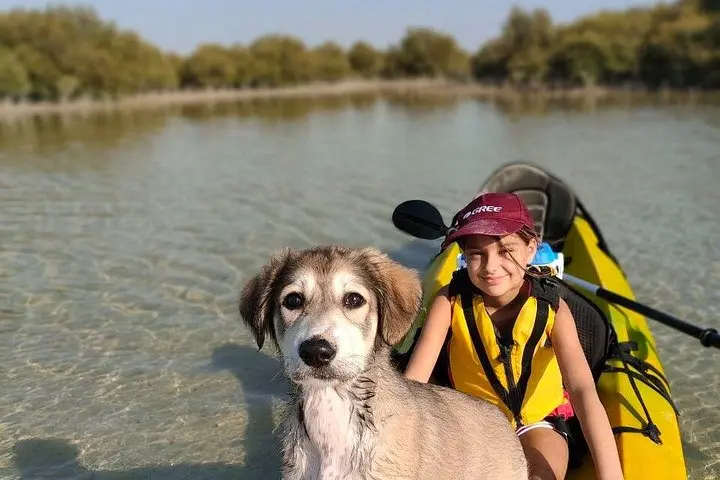
Some operators allow small children to share a tandem kayak with an adult; check age and weight limits when booking.
Expect shorebirds such as herons and kingfishers, mud crabs, and small fish in the channels; sightings depend on tide and season.
Tours typically depart from Doha with a short transfer to the mangrove launch site; confirm pickup details with the operator.
Discover Arabia For Tourism operates guided outdoor trips and adventures with an emphasis on safety, stewardship, and memorable experiences.
You push off from the mudflats and the paddle bites into tannin-dark water, the mangrove roots closing like fingers around a hidden corridor. Light filters through a lattice of pneumatophores; egrets tiptoe on exposed roots while the guide calls out a distant kingfisher. The rhythm of strokes sets the pace — slow enough to notice fiddler crabs polishing the shoreline, quick enough to round a bend before a gull lifts off.
You push off from the mudflats and the paddle bites into tannin-dark water, the mangrove roots closing like fingers around a hidden corridor. Light filters through a lattice of pneumatophores; egrets tiptoe on exposed roots while the guide calls out a distant kingfisher. The rhythm of strokes sets the pace — slow enough to notice fiddler crabs polishing the shoreline, quick enough to round a bend before a gull lifts off.
Purple Island (Jazirat Bin Ghanam) sits along Qatar’s northeast coast where Holocene sediments built shallow bays and allowed mangroves to colonize saline flats. These salt-tolerant trees have long supported coastal fishing communities; today the channels are as much ecological nursery as cultural memory, a living edge between desert and sea.
Expect four hours framed by instruction, guided navigation and wildlife photography. Guides typically explain local tidal flows, mangrove ecology and basic paddling technique before launching; channels are narrow, water shallow at low tide, and visibility for marine life can be excellent after slack tide.
Practical guidance: wear quick-drying clothing and reef-safe sunscreen, bring layered wind protection for early mornings, and secure a small dry bag for phone and water. Footwear with grip is useful for brief shoreline stops. Timing matters — plan around high or incoming tide for easier navigation and better wildlife activity. Hydrate in advance; the sun in Qatar is unrelenting even in winter.
This is an accessible, low-impact paddling experience that rewards patience and quiet observation — a hands-on way to meet Qatar’s coastal ecology while practicing simple stewardship on the water.