THE ADVENTURE COLLECTIVE® · Independent discovery and booking for outdoor travel

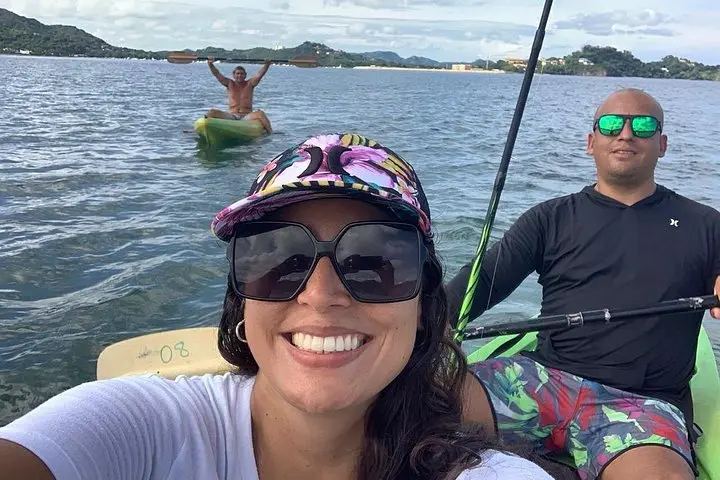
Paddle calm, labyrinthine channels between Tamarindo and Playa Grande in Las Baulas National Marine Park. This 2.5-hour guided kayak trip delivers close wildlife encounters—herons, iguanas and occasional crocodiles—plus tips on tides and timing.
Paddle calm, labyrinthine channels between Tamarindo and Playa Grande in Las Baulas National Marine Park. This 2.5-hour guided kayak trip delivers close wildlife encounters—herons, iguanas and occasional crocodiles—plus tips on tides and timing.
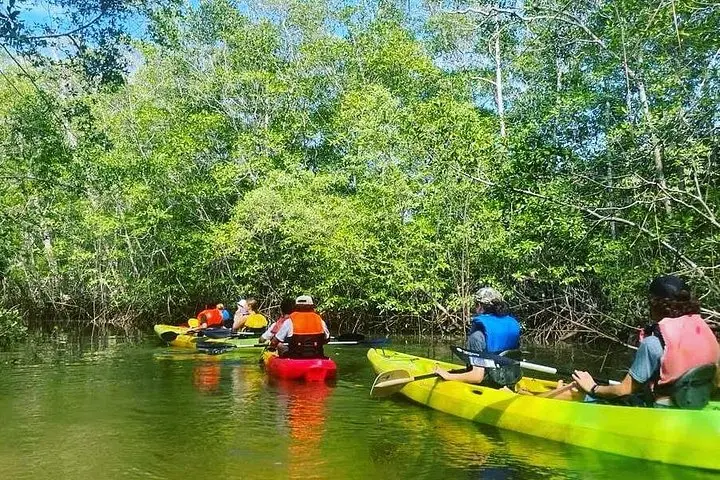
You push off from a quiet sandbar and the estuary closes around you—mangrove roots like knotted hands guiding the current while kingfishers puncture the air. The water here is slow and glassy; channels split and rejoin, each bend promising a new pocket of birds and sunlit lagoons.
Verified experiences and guided adventures in the surrounding area.
Operated by HIGH TIDE TOURS PLAYA GRANDE · Tamarindo, Guanacaste
You push off from a quiet sandbar and the estuary closes around you—mangrove roots like knotted hands guiding the current while kingfishers puncture the air. The water here is slow and glassy; channels split and rejoin, each bend promising a new pocket of birds and sunlit lagoons.
This estuary sits between Tamarindo and Playa Grande inside the bounds of Las Baulas National Marine Park, created in part to protect leatherback turtle nesting and the coastal mangrove systems that trap sediment and support fisheries. Geologically, the river mouth is a gradient of mudflats and shallow channels carved by tide and seasonal rains; culturally, the shoreline belongs to communities that fish and guide tours here, balancing tourism with conservation.
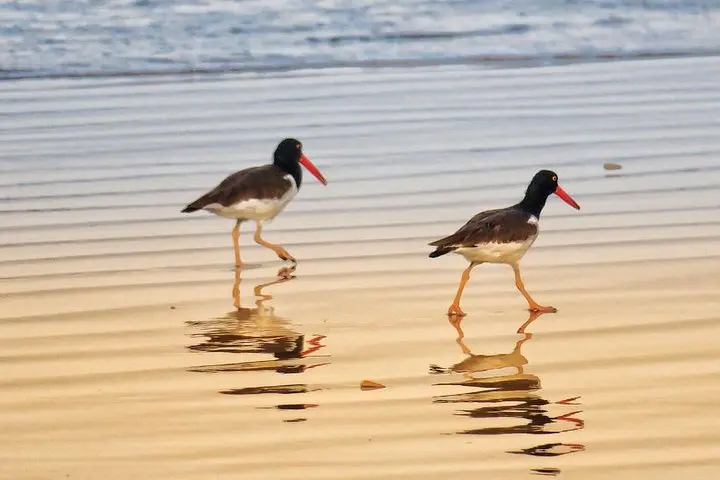
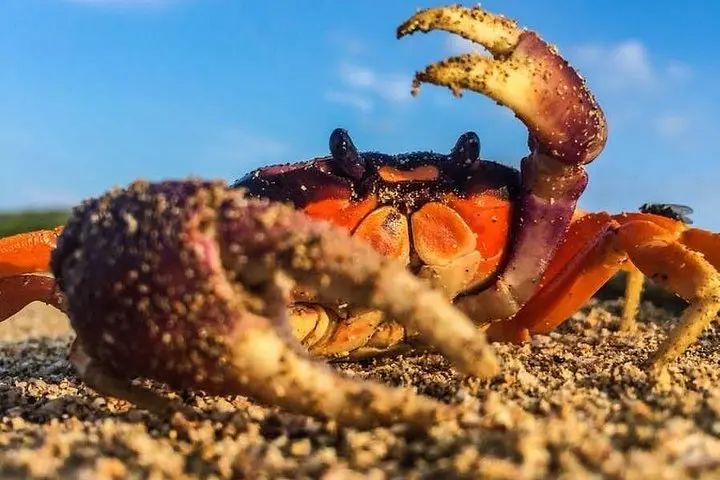
Expect an intimate wildlife show: herons and kingfishers hunt the shallows while iguanas sun themselves on roots and, at distance, the silhouette of a crocodile may slip into deeper water. Guides know the tides, reading the estuary like a living map—follow them and you’ll get the calm channels and hidden coves.
Practical notes: tours run about 2.5 hours on calm water and are suitable for beginners; basic paddling, sunscreen, insect repellent, and a waterproof camera make the trip more comfortable. Launch times around high tide are best for deeper channels; morning light enhances bird activity and keeps temperatures lower. Stay on marked routes, don’t feed wildlife, and bring layers for wind off the mouth. A private kayak trip here is both a wildlife-watching float and an easy technical paddle—bring patience, steady hands, and a curiosity for slow places.
American crocodiles can be present but guides avoid close approaches; sightings are usually from a safe distance and attacks are rare when wildlife is respected.
No—this estuary trip is designed for beginners with calm water and a guide providing basic paddling instruction.
Dry season (roughly December–April) offers clearer skies and easier launches, though bird activity and mangrove life are visible year-round; leatherback nesting is seasonal and local guides will know exact timing.
Yes for older children who can sit still and follow safety instructions; not recommended for pregnant travelers or those with serious back/heart conditions as noted by operators.
HIGH TIDE TOURS PLAYA GRANDE operates guided outdoor trips and adventures with an emphasis on safety, stewardship, and memorable experiences.
You push off from a quiet sandbar and the estuary closes around you—mangrove roots like knotted hands guiding the current while kingfishers puncture the air. The water here is slow and glassy; channels split and rejoin, each bend promising a new pocket of birds and sunlit lagoons.
You push off from a quiet sandbar and the estuary closes around you—mangrove roots like knotted hands guiding the current while kingfishers puncture the air. The water here is slow and glassy; channels split and rejoin, each bend promising a new pocket of birds and sunlit lagoons.
This estuary sits between Tamarindo and Playa Grande inside the bounds of Las Baulas National Marine Park, created in part to protect leatherback turtle nesting and the coastal mangrove systems that trap sediment and support fisheries. Geologically, the river mouth is a gradient of mudflats and shallow channels carved by tide and seasonal rains; culturally, the shoreline belongs to communities that fish and guide tours here, balancing tourism with conservation.
Expect an intimate wildlife show: herons and kingfishers hunt the shallows while iguanas sun themselves on roots and, at distance, the silhouette of a crocodile may slip into deeper water. Guides know the tides, reading the estuary like a living map—follow them and you’ll get the calm channels and hidden coves.
Practical notes: tours run about 2.5 hours on calm water and are suitable for beginners; basic paddling, sunscreen, insect repellent, and a waterproof camera make the trip more comfortable. Launch times around high tide are best for deeper channels; morning light enhances bird activity and keeps temperatures lower. Stay on marked routes, don’t feed wildlife, and bring layers for wind off the mouth. A private kayak trip here is both a wildlife-watching float and an easy technical paddle—bring patience, steady hands, and a curiosity for slow places.