THE ADVENTURE COLLECTIVE® · Independent discovery and booking for outdoor travel

Paddle out from Venice to islands that reveal the lagoon's food, defense and quarantine history. This guided eco‑tour mixes easy paddling with intimate views of Sant’Erasmo, Certosa and the Sant’Andrea fort.
Paddle out from Venice to islands that reveal the lagoon's food, defense and quarantine history. This guided eco‑tour mixes easy paddling with intimate views of Sant’Erasmo, Certosa and the Sant’Andrea fort.
A low sun slices across the lagoon as kayaks peel away from the Fondamenta Nove meeting point, paddles dipping quietly into brackish water. The city skyline recedes and the lagoon opens: salt marshes hum with reed song and gulls wheel like small, impatient captains. You feel the current nudge the hull—nature is not decorative here, it moves you.
Verified experiences and guided adventures in the surrounding area.
Operated by deTourist Venice Valerio Coppo · Venice, Veneto
A low sun slices across the lagoon as kayaks peel away from the Fondamenta Nove meeting point, paddles dipping quietly into brackish water. The city skyline recedes and the lagoon opens: salt marshes hum with reed song and gulls wheel like small, impatient captains. You feel the current nudge the hull—nature is not decorative here, it moves you.
This guided eco-tour threads through islands that shaped Venice’s economy and defense. Sant’Erasmo, the "vegetable garden" of the lagoon, still grows produce on parcels reclaimed over centuries; Sant'Andrea’s 16th‑century fort rises as a geometric relic of military engineering. Lazzaretto Nuovo tells a darker chapter—the origin of "quarantine"—where plague isolation shaped maritime law. Geologically the lagoon is a shallow brackish plane of silts and saltmarshes; currents and tides sculpt mudbanks and tidal channels you skirt by kayak.
Expect hands‑on paddling coaching, low-impact travel between hidden coves, and stops at Certosa’s quieter shorelines for a skyline view of Venice unobtainable from the vaporetto. Wildlife punctuates the route: wading birds, cormorants drying wings on pilings, and occasional fish wakes.
Practical guidance: arrive at Fondamenta Nove with water, sun protection and a light daypack; wear quick‑dry layers and water shoes. Tours last about 4–5 hours, include kayaks, life vests and a local guide, and require moderate fitness. Be prepared for wind and tides—your guide reads them for you, but basic paddling competency helps. This is an experiential paddle that privileges observation over speed, letting the lagoon’s quieter histories and habitats reveal themselves in increments.
The tour meets at Fondamenta Nove in Venice; guides often coordinate a water bus transfer to the launch area near Sant’Erasmo.
No advanced experience is required—guides provide a paddling briefing—but participants should have a moderate fitness level and be comfortable in a sit‑on‑top or touring kayak.
Children can join if they meet the operator’s age and weight requirements and can follow safety instructions; check with the provider for specific age limits.
Tours may be canceled for high winds or unsafe conditions with a full refund if canceled at least 24 hours prior; operators monitor tide and weather closely.
deTourist Venice Valerio Coppo operates guided outdoor trips and adventures with an emphasis on safety, stewardship, and memorable experiences.
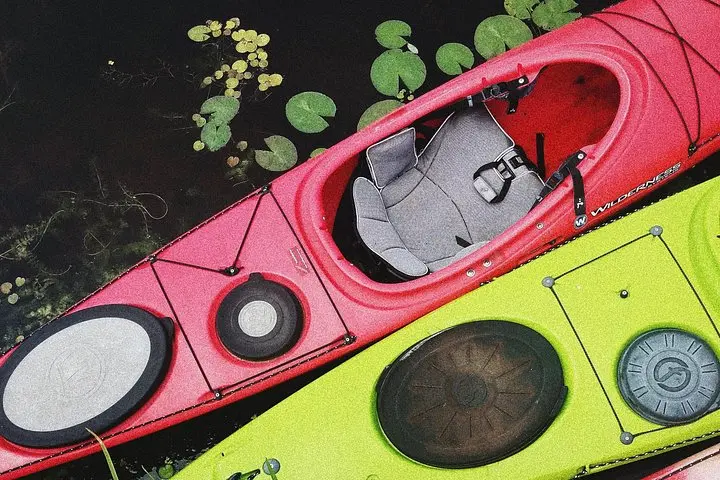
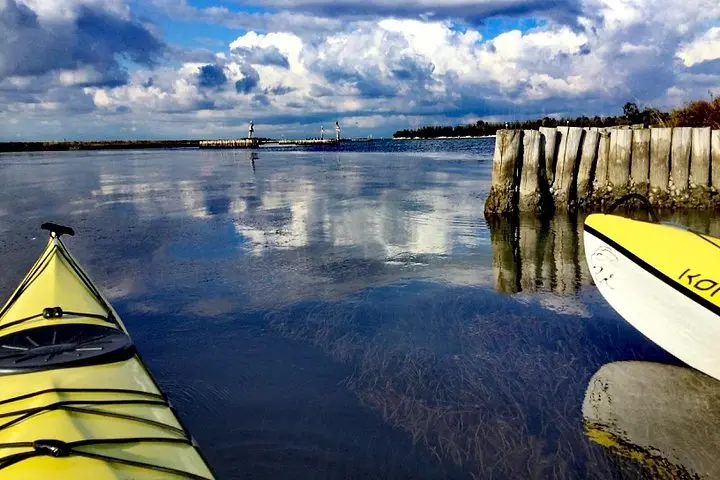
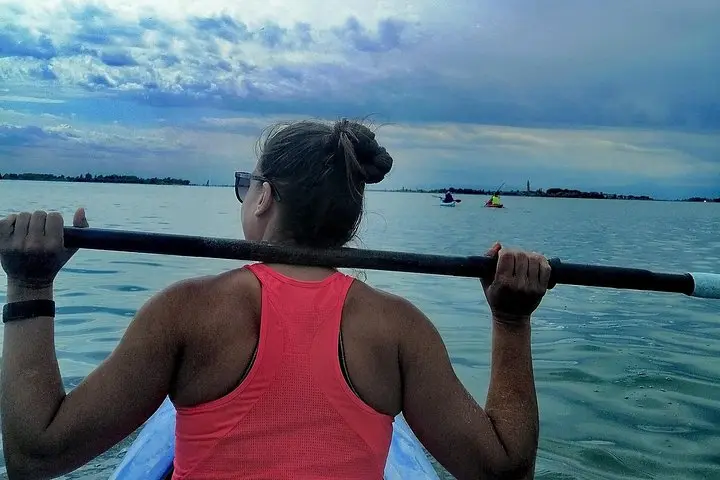
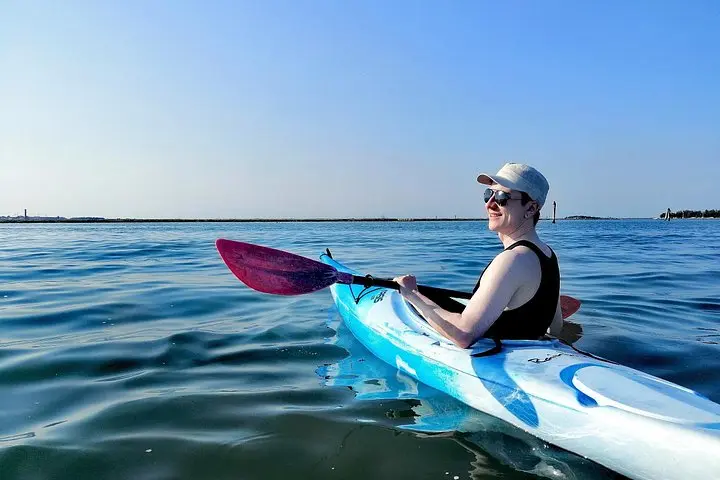
A low sun slices across the lagoon as kayaks peel away from the Fondamenta Nove meeting point, paddles dipping quietly into brackish water. The city skyline recedes and the lagoon opens: salt marshes hum with reed song and gulls wheel like small, impatient captains. You feel the current nudge the hull—nature is not decorative here, it moves you.
A low sun slices across the lagoon as kayaks peel away from the Fondamenta Nove meeting point, paddles dipping quietly into brackish water. The city skyline recedes and the lagoon opens: salt marshes hum with reed song and gulls wheel like small, impatient captains. You feel the current nudge the hull—nature is not decorative here, it moves you.
This guided eco-tour threads through islands that shaped Venice’s economy and defense. Sant’Erasmo, the "vegetable garden" of the lagoon, still grows produce on parcels reclaimed over centuries; Sant'Andrea’s 16th‑century fort rises as a geometric relic of military engineering. Lazzaretto Nuovo tells a darker chapter—the origin of "quarantine"—where plague isolation shaped maritime law. Geologically the lagoon is a shallow brackish plane of silts and saltmarshes; currents and tides sculpt mudbanks and tidal channels you skirt by kayak.
Expect hands‑on paddling coaching, low-impact travel between hidden coves, and stops at Certosa’s quieter shorelines for a skyline view of Venice unobtainable from the vaporetto. Wildlife punctuates the route: wading birds, cormorants drying wings on pilings, and occasional fish wakes.
Practical guidance: arrive at Fondamenta Nove with water, sun protection and a light daypack; wear quick‑dry layers and water shoes. Tours last about 4–5 hours, include kayaks, life vests and a local guide, and require moderate fitness. Be prepared for wind and tides—your guide reads them for you, but basic paddling competency helps. This is an experiential paddle that privileges observation over speed, letting the lagoon’s quieter histories and habitats reveal themselves in increments.