THE ADVENTURE COLLECTIVE® · Independent discovery and booking for outdoor travel

Paddle along the Cabo de San Antonio reserve to Cova Tallada, then disembark to explore a medieval quarry by headlamp before snorkeling in protected Mediterranean waters. This guided 3‑hour outing blends light speleology with coastal wildlife viewing.
Paddle along the Cabo de San Antonio reserve to Cova Tallada, then disembark to explore a medieval quarry by headlamp before snorkeling in protected Mediterranean waters. This guided 3‑hour outing blends light speleology with coastal wildlife viewing.
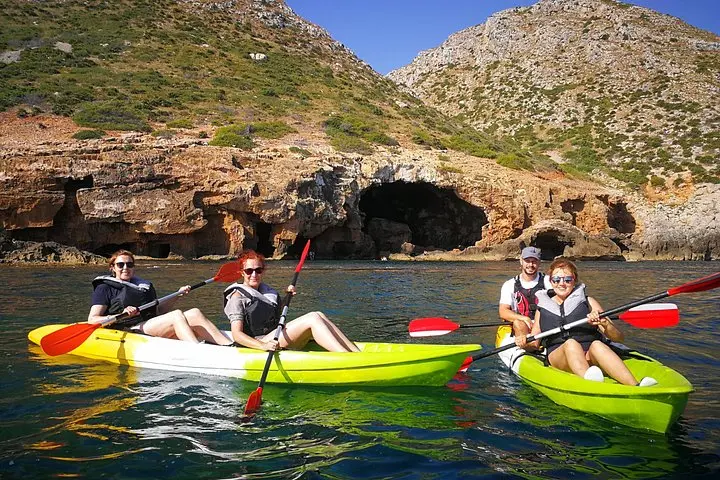
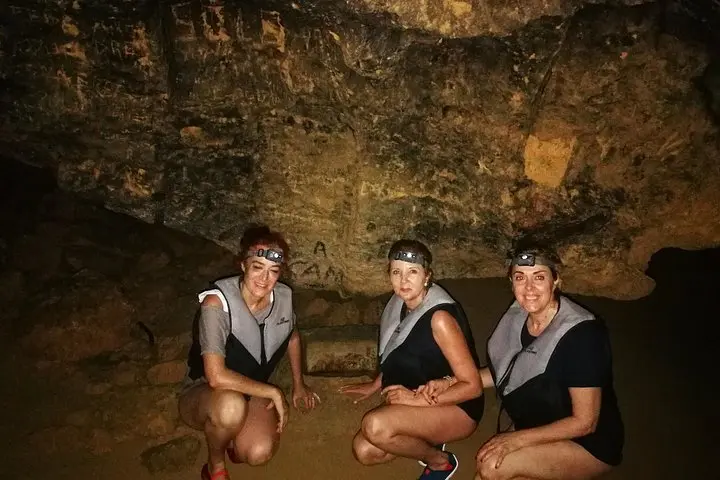
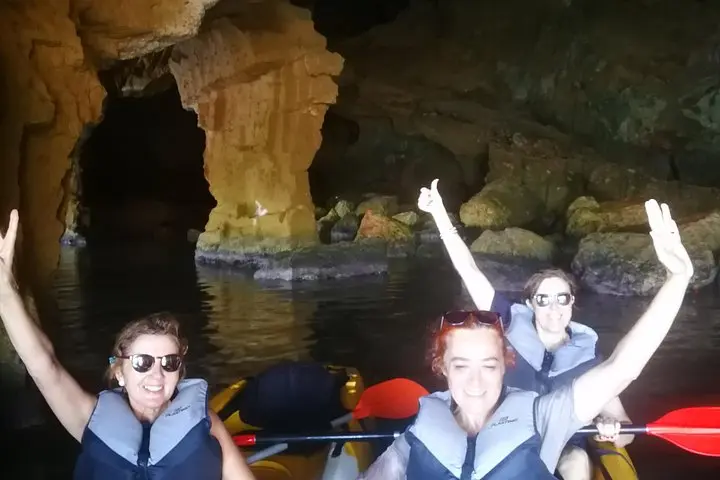
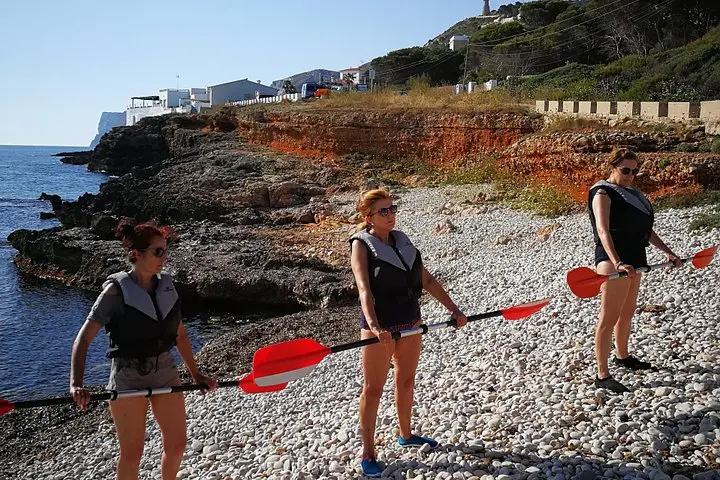
A morning launch off a pebble spit near Dénia puts you flat on the Mediterranean. The sea pushes and pulls like a curious guide as inflatable kayaks line up and the group listens to a short safety brief. Helmets click, headlamps beam, and the limestone face of Cova Tallada grows into view — a dark mouth carved by human hands and waves.
Verified experiences and guided adventures in the surrounding area.
Operated by Turismo Activo Montgó · Dénia, Alicante
A morning launch off a pebble spit near Dénia puts you flat on the Mediterranean. The sea pushes and pulls like a curious guide as inflatable kayaks line up and the group listens to a short safety brief. Helmets click, headlamps beam, and the limestone face of Cova Tallada grows into view — a dark mouth carved by human hands and waves.
Cova Tallada was worked as a quarry from medieval times; the hollowed passages and tool marks speak to centuries of stone extraction that supplied local ports and farmhouses. Geologically, jagged limestone bands and narrow inlets mark the Cabo de San Antonio marine reserve, where Posidonia meadows slow the water and schools of bream and damselfish patrol the shallows. Culturally the coast carries fishing traditions; guides will point out old loading ramps and coastal watch towers as you pass.
Practically, the tour runs about three hours with guided instruction, headlamps for the cave, snorkel kit, bottled water, snacks and basic safety gear included. Expect short paddles between shore and the cave, a disembark to explore low chambers by lamp, then a snorkel in protected waters teeming with fish. Wear water shoes and a swim layer under quick-dry clothing, and time visits for calmer mornings or late afternoons when wind picks up. The route is weather-dependent; operators cancel in rough sea. Move slowly inside the cave, heed the guide, and leave no trace — the reserve depends on low-impact visits to stay healthy.
No formal experience is required — guides give a short handling briefing and basic snorkeling instruction; being comfortable in water helps.
The operator may cancel for rough seas; they typically refund full payment if canceled at least 24 hours before the tour or if conditions are unsafe.
Families are welcome but children should be supervised; operators commonly have age guidelines and provide infant seats or buoyancy aids on request.
Headlamps/lanterns for the cave, snorkel gear, bottled water, a light snack/apéritif, safety equipment and guide support are included.
Turismo Activo Montgó operates guided outdoor trips and adventures with an emphasis on safety, stewardship, and memorable experiences.
A morning launch off a pebble spit near Dénia puts you flat on the Mediterranean. The sea pushes and pulls like a curious guide as inflatable kayaks line up and the group listens to a short safety brief. Helmets click, headlamps beam, and the limestone face of Cova Tallada grows into view — a dark mouth carved by human hands and waves.
A morning launch off a pebble spit near Dénia puts you flat on the Mediterranean. The sea pushes and pulls like a curious guide as inflatable kayaks line up and the group listens to a short safety brief. Helmets click, headlamps beam, and the limestone face of Cova Tallada grows into view — a dark mouth carved by human hands and waves.
Cova Tallada was worked as a quarry from medieval times; the hollowed passages and tool marks speak to centuries of stone extraction that supplied local ports and farmhouses. Geologically, jagged limestone bands and narrow inlets mark the Cabo de San Antonio marine reserve, where Posidonia meadows slow the water and schools of bream and damselfish patrol the shallows. Culturally the coast carries fishing traditions; guides will point out old loading ramps and coastal watch towers as you pass.
Practically, the tour runs about three hours with guided instruction, headlamps for the cave, snorkel kit, bottled water, snacks and basic safety gear included. Expect short paddles between shore and the cave, a disembark to explore low chambers by lamp, then a snorkel in protected waters teeming with fish. Wear water shoes and a swim layer under quick-dry clothing, and time visits for calmer mornings or late afternoons when wind picks up. The route is weather-dependent; operators cancel in rough sea. Move slowly inside the cave, heed the guide, and leave no trace — the reserve depends on low-impact visits to stay healthy.