THE ADVENTURE COLLECTIVE® · Independent discovery and booking for outdoor travel

Paddle out from Puno to the floating Uros islands, explore reed villages, then continue by boat to Taquile for a ridge-top hike and a look at world-class weaving. A single day that mixes manageable kayaking with cultural encounters on Lake Titicaca.
Paddle out from Puno to the floating Uros islands, explore reed villages, then continue by boat to Taquile for a ridge-top hike and a look at world-class weaving. A single day that mixes manageable kayaking with cultural encounters on Lake Titicaca.
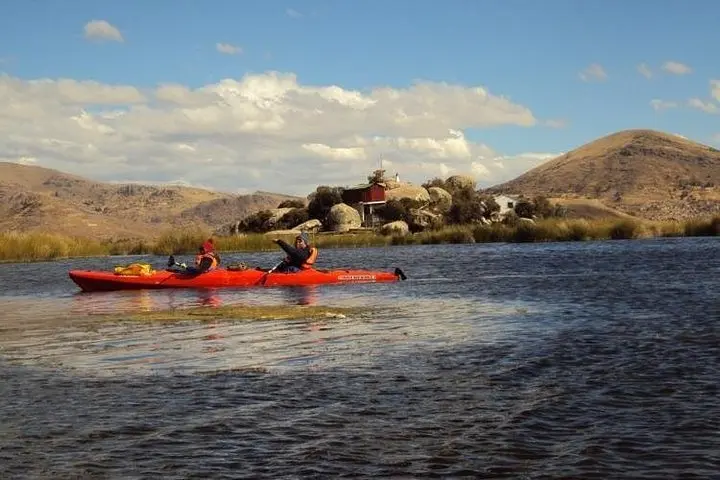
The morning light on Lake Titicaca is a low, cool blade; wind pulls at your jacket and the kayak answers with a steady, open-water rhythm.
Verified experiences and guided adventures in the surrounding area.
Operated by Bamba Travel · Puno, Puno
The morning light on Lake Titicaca is a low, cool blade; wind pulls at your jacket and the kayak answers with a steady, open-water rhythm.
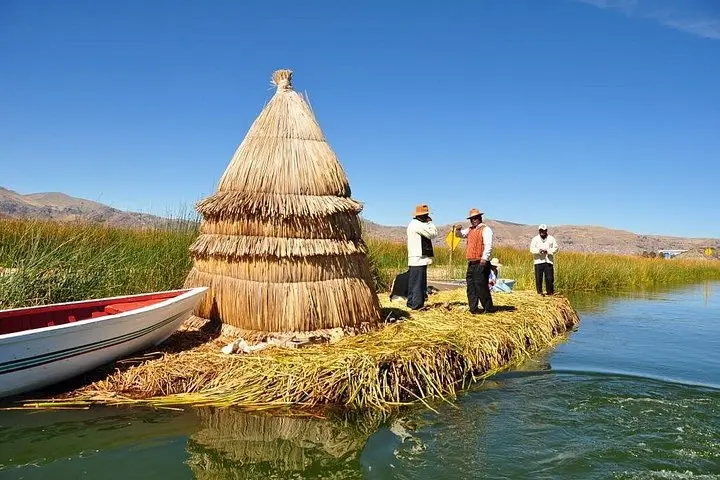
You launch from the Puno shore and move into the Titicaca National Reserve, where the water stretches like a living plain and reed islands—man-made platforms of totora—appear like clustered villages afloat. The guide’s voice gives practical paddling cues, then the lake does the rest, pushing you gently toward the Uros.
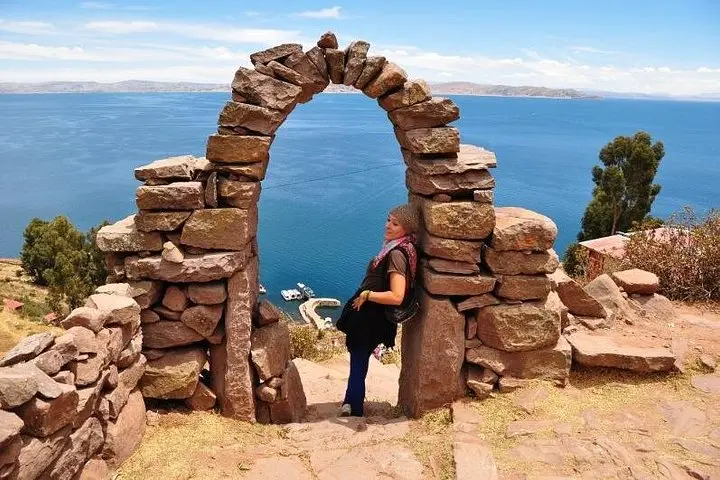
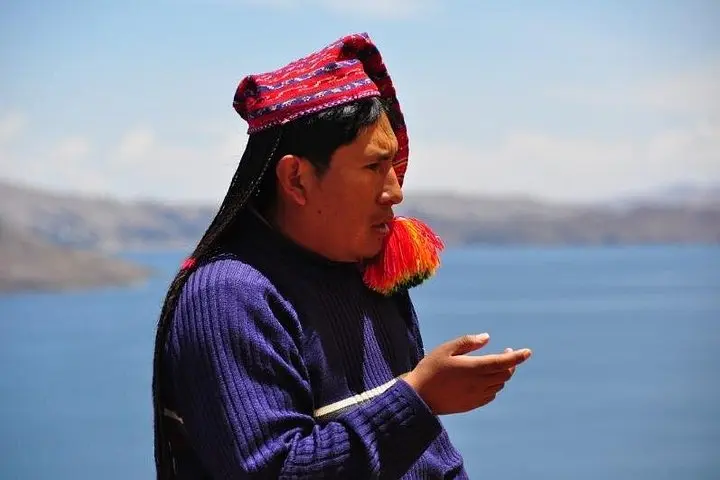
This place is both geological and cultural: Titicaca is the highest navigable lake in the world, carved by glacial and tectonic forces in the Andes and perched at roughly 3,800–3,950 meters. The Uros people built their homes from totora reeds centuries ago to maintain autonomy and mobility; Taquile Island, inhabited by Quechua speakers, is known for its communal weaving traditions and terraces that step up to the island’s main square at about 3,950 m.
Expect a mix of paddling, guided island walks, and a steeper hike on Taquile with rewarding panoramic views of the lake basin. Wildlife is subtle—waterfowl and occasional coots—while markets and craft stalls give a close look at woven textiles and local life.
Practical: acclimate in Puno for a day or two, carry layered clothing for sun and cold, bring cash for small purchases, and wear sturdy shoes for the island hike. The tour includes kayaks, lifejackets, boat transfers, and lunch on Taquile, but personal sun protection, a dry bag for electronics, and a light insulating layer will make the day noticeably more comfortable.
No—basic paddling instruction and safety briefing are provided, and the lake sections used are generally calm within the reserve.
Taquile’s central plaza sits around 3,950 meters (about 12,960 feet), so expect a noticeable climb from the port.
Yes—lunch on Taquile is included in the tour and typically features local ingredients and a hearty meal suitable after the hike.
Yes—minimum age is 7, and children must be accompanied by an adult; guides will adapt activity pace for younger participants.
Bamba Travel operates guided outdoor trips and adventures with an emphasis on safety, stewardship, and memorable experiences.
The morning light on Lake Titicaca is a low, cool blade; wind pulls at your jacket and the kayak answers with a steady, open-water rhythm.
The morning light on Lake Titicaca is a low, cool blade; wind pulls at your jacket and the kayak answers with a steady, open-water rhythm.
You launch from the Puno shore and move into the Titicaca National Reserve, where the water stretches like a living plain and reed islands—man-made platforms of totora—appear like clustered villages afloat. The guide’s voice gives practical paddling cues, then the lake does the rest, pushing you gently toward the Uros.
This place is both geological and cultural: Titicaca is the highest navigable lake in the world, carved by glacial and tectonic forces in the Andes and perched at roughly 3,800–3,950 meters. The Uros people built their homes from totora reeds centuries ago to maintain autonomy and mobility; Taquile Island, inhabited by Quechua speakers, is known for its communal weaving traditions and terraces that step up to the island’s main square at about 3,950 m.
Expect a mix of paddling, guided island walks, and a steeper hike on Taquile with rewarding panoramic views of the lake basin. Wildlife is subtle—waterfowl and occasional coots—while markets and craft stalls give a close look at woven textiles and local life.
Practical: acclimate in Puno for a day or two, carry layered clothing for sun and cold, bring cash for small purchases, and wear sturdy shoes for the island hike. The tour includes kayaks, lifejackets, boat transfers, and lunch on Taquile, but personal sun protection, a dry bag for electronics, and a light insulating layer will make the day noticeably more comfortable.