THE ADVENTURE COLLECTIVE® · Independent discovery and booking for outdoor travel

Paddle from Makena Landing into clear Pacific water and meet migrating humpback whales up close on a guided kayak tour. Learn marine ecology and Hawaiian context while guides prioritize safe, non-invasive viewing.
Paddle from Makena Landing into clear Pacific water and meet migrating humpback whales up close on a guided kayak tour. Learn marine ecology and Hawaiian context while guides prioritize safe, non-invasive viewing.
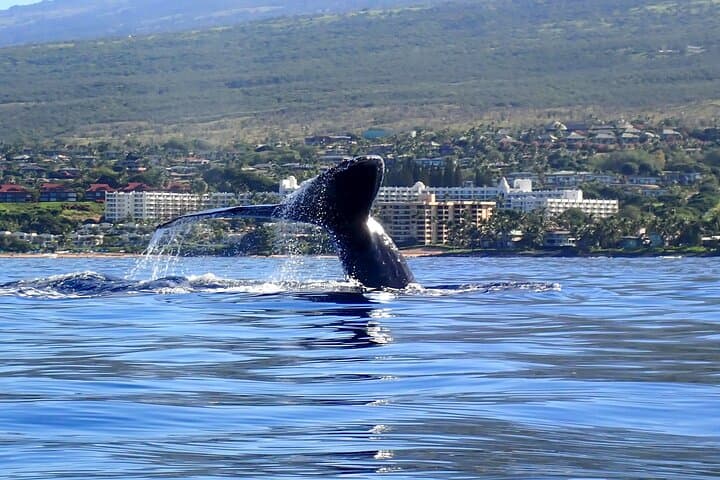
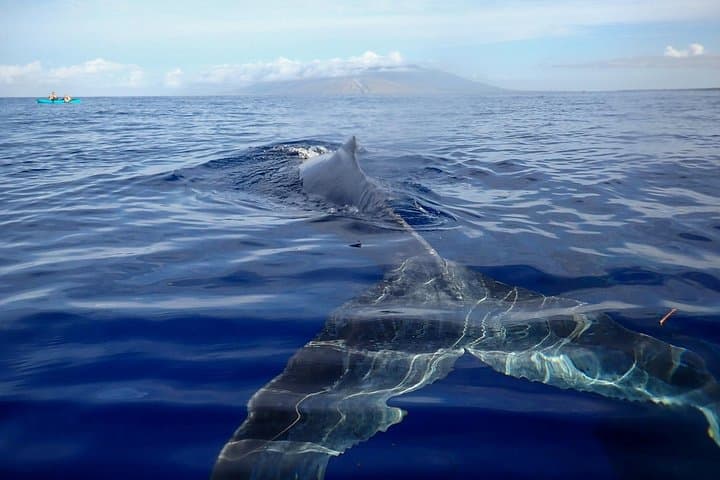
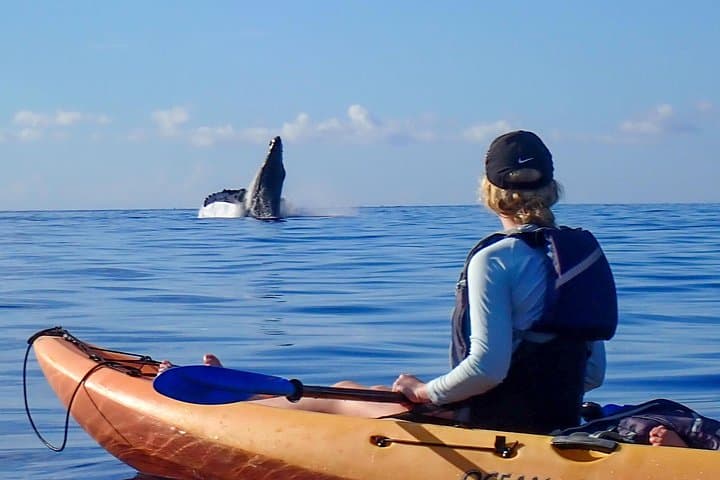
You push off from Makena Landing into water the color of broken glass, the shoreline behind you rimmed with lava rock and sparse kiawe trees. The ocean breathes slow here; every so often a distant exhalation becomes a spout as a humpback surfaces and claims the surface with a fluke or a breach that throws salt and light skyward.
Verified experiences and guided adventures in the surrounding area.
Operated by Tropical Guides & Outfitters · Makena, Hawaii
You push off from Makena Landing into water the color of broken glass, the shoreline behind you rimmed with lava rock and sparse kiawe trees. The ocean breathes slow here; every so often a distant exhalation becomes a spout as a humpback surfaces and claims the surface with a fluke or a breach that throws salt and light skyward.
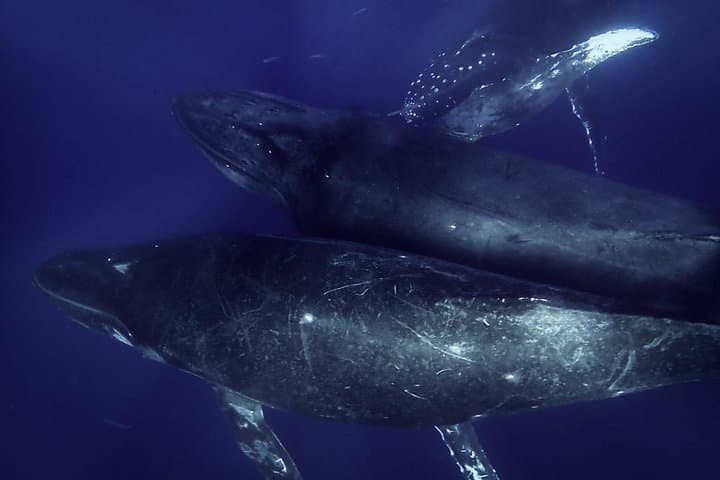
Humpback whales migrate to Hawaii each winter to breed and calve, a pattern known to Native Hawaiians for generations and now carefully monitored by scientists. Makena’s volcanic coastline is young—black pahoehoe and a’a flows give way to golden sandy coves—creating clear channels where whales, spinner dolphins, and reef fish concentrate. Local guides blend natural history and Hawaiian cultural context, explaining kupuna stories alongside marine biology.
Expect guided tandem or single kayaks, trained guides, and a focus on non-invasive viewing: quiet paddling, controlled approaches, and NOAA-mandated distances. Tours run roughly three hours and are best scheduled at calm sea states in the morning. Bring reef-safe sunscreen, a hydration plan, and a willingness to stop paddling and simply listen—whale song can rumble beneath the hull.
Practical tips: arrive with layered clothing for changing breeze, secure glasses with a strap, and check tidal and swell forecasts. Photographers should use zoom lenses rather than chasing animals. Remember local rules: never try to touch or pursue marine life; guides will advise when to observe and when to paddle on. This is a patient, sensory adventure—the thrill comes in the moments when the ocean chooses to show you its giants.
Mid-December through the end of March is peak season for humpback migration and the best window for consistent sightings.
Moderate fitness and basic paddling ability are recommended; guides provide instruction and typically use tandem kayaks for less experienced paddlers.
Tours can be canceled for safety — operators typically offer full refunds if canceled 24 hours in advance or due to rough seas.
Guides aim for respectful viewing distances; you can get dramatic images when whales surface nearby, but close approaches are controlled to protect the animals.
Tropical Guides & Outfitters operates guided outdoor trips and adventures with an emphasis on safety, stewardship, and memorable experiences.
You push off from Makena Landing into water the color of broken glass, the shoreline behind you rimmed with lava rock and sparse kiawe trees. The ocean breathes slow here; every so often a distant exhalation becomes a spout as a humpback surfaces and claims the surface with a fluke or a breach that throws salt and light skyward.
You push off from Makena Landing into water the color of broken glass, the shoreline behind you rimmed with lava rock and sparse kiawe trees. The ocean breathes slow here; every so often a distant exhalation becomes a spout as a humpback surfaces and claims the surface with a fluke or a breach that throws salt and light skyward.
Humpback whales migrate to Hawaii each winter to breed and calve, a pattern known to Native Hawaiians for generations and now carefully monitored by scientists. Makena’s volcanic coastline is young—black pahoehoe and a’a flows give way to golden sandy coves—creating clear channels where whales, spinner dolphins, and reef fish concentrate. Local guides blend natural history and Hawaiian cultural context, explaining kupuna stories alongside marine biology.
Expect guided tandem or single kayaks, trained guides, and a focus on non-invasive viewing: quiet paddling, controlled approaches, and NOAA-mandated distances. Tours run roughly three hours and are best scheduled at calm sea states in the morning. Bring reef-safe sunscreen, a hydration plan, and a willingness to stop paddling and simply listen—whale song can rumble beneath the hull.
Practical tips: arrive with layered clothing for changing breeze, secure glasses with a strap, and check tidal and swell forecasts. Photographers should use zoom lenses rather than chasing animals. Remember local rules: never try to touch or pursue marine life; guides will advise when to observe and when to paddle on. This is a patient, sensory adventure—the thrill comes in the moments when the ocean chooses to show you its giants.