THE ADVENTURE COLLECTIVE® · Independent discovery and booking for outdoor travel

Drive the historic Georgian Military Road in a single day — from Tbilisi to snow-dusted Kazbegi, stopping at UNESCO churches, Ananuri fortress and the Gveleti waterfall. Expect high-mountain views, short walks, and a full day of photo-worthy landscapes.
Drive the historic Georgian Military Road in a single day — from Tbilisi to snow-dusted Kazbegi, stopping at UNESCO churches, Ananuri fortress and the Gveleti waterfall. Expect high-mountain views, short walks, and a full day of photo-worthy landscapes.
A gravel wind tucks at the car windows as the Georgian Military Road climbs away from Tbilisi; ridgelines open like pages and the Caucasus push their sharp teeth into the sky. The tour threads past Jinvali Reservoir, through river gorges where black and white Aragvi converge, and into the high valley of Stepantsminda where the Gergeti (Holy Trinity) Church perches above the village with Mt. Kazbek a cold-eyed presence behind it.
Verified experiences and guided adventures in the surrounding area.
Operated by RestinGeorgia · Stepantsminda, Mtskheta-Mtianeti
A gravel wind tucks at the car windows as the Georgian Military Road climbs away from Tbilisi; ridgelines open like pages and the Caucasus push their sharp teeth into the sky. The tour threads past Jinvali Reservoir, through river gorges where black and white Aragvi converge, and into the high valley of Stepantsminda where the Gergeti (Holy Trinity) Church perches above the village with Mt. Kazbek a cold-eyed presence behind it.
This route is ancient and strategic: a caravan and military artery between Europe and Asia for millennia, lined with medieval churches and fortresses. Ananuri Fortress (16th–17th century) watches the Aragvi with carved stones and cannon scars; Jvari and Svetitskhoveli cathedrals in nearby Mtskheta reflect Georgia’s early Christian heritage. Geologically, the road follows fault-bounded valleys carved by glacial and fluvial forces—the same glaciers that shaped Kazbek’s high cones.
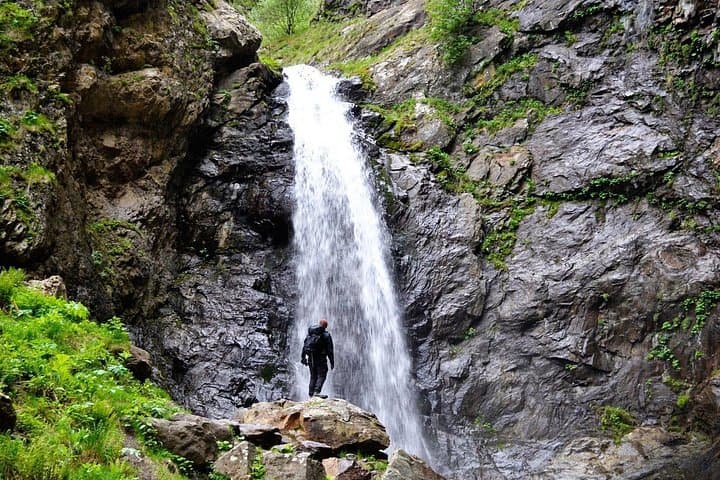
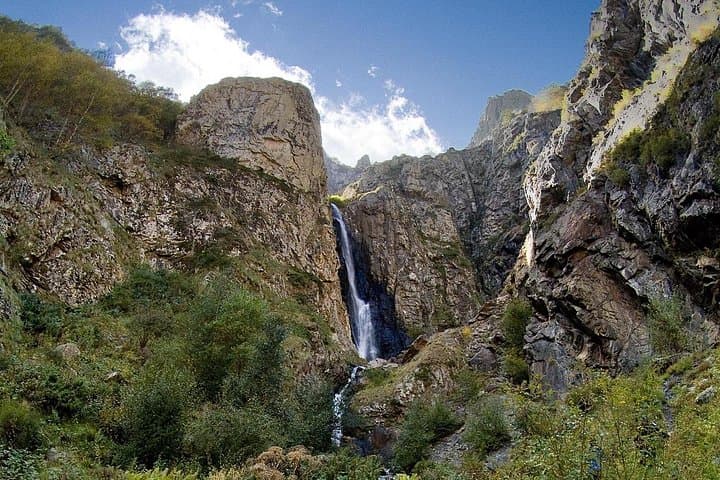
Culturally, expect roadside khachkars (stone crosses), shepherds, and small villages that trade in cheese and hospitality. The Gveleti waterfall offers a short, steep walk to cool mist and basalt cliffs; Gudauri's slopes indicate why this corridor became a winter sports hub.
Practical guidance: the day is long—about nine hours with several short stops—so wear supportive shoes, bring layered clothing for mountain swing in temperatures, and carry water and snacks. Roads are paved but mountain weather can change fast; a light rain shell and sun protection are both worthwhile. If you prefer to linger, plan extra time in Stepantsminda to walk to Gergeti or in Ananuri to explore the fortress. This tour suits travelers who want vivid landscapes, accessible history, and a compact introduction to Georgia’s highlands.
The tour is approximately 9 hours (around 540 minutes) and typically departs from central Tbilisi with hotel pickup available.
Walking is limited to short hikes and viewpoints—Gveleti waterfall and Gergeti require uneven, sometimes steep trails but not technical climbing.
Higher stops like Gudauri and Kazbegi sit above 2,000 m where snow can linger into spring; dress for cold and check seasonal conditions.
There are roadside cafes and basic restrooms at major stops, but pack snacks and expect limited services in remote stretches.
RestinGeorgia operates guided outdoor trips and adventures with an emphasis on safety, stewardship, and memorable experiences.
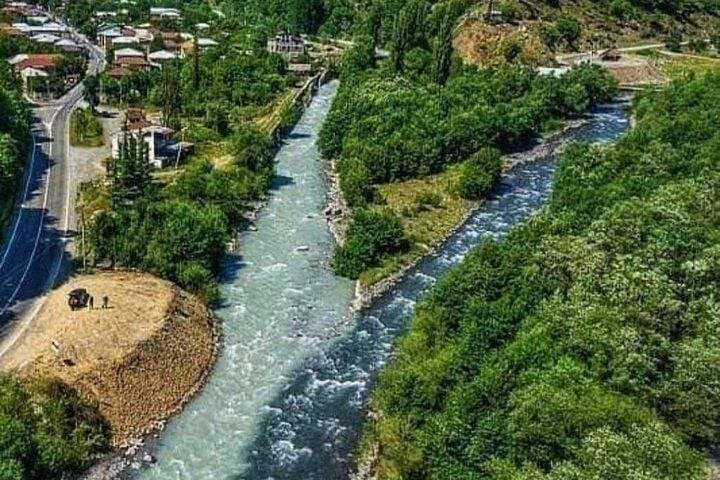
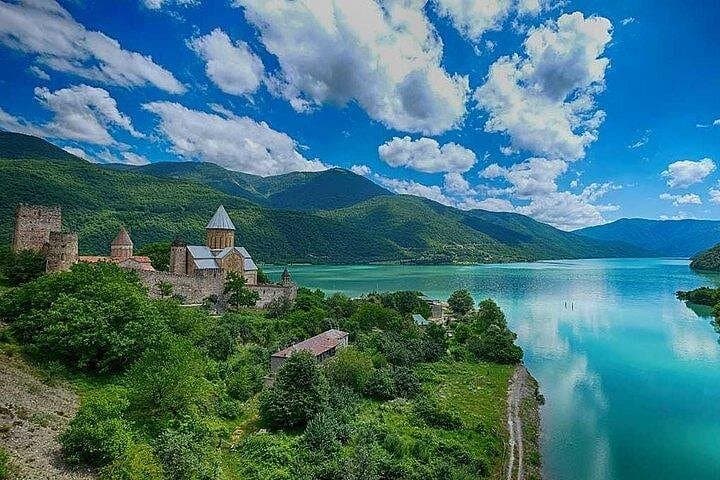
A gravel wind tucks at the car windows as the Georgian Military Road climbs away from Tbilisi; ridgelines open like pages and the Caucasus push their sharp teeth into the sky. The tour threads past Jinvali Reservoir, through river gorges where black and white Aragvi converge, and into the high valley of Stepantsminda where the Gergeti (Holy Trinity) Church perches above the village with Mt. Kazbek a cold-eyed presence behind it.
A gravel wind tucks at the car windows as the Georgian Military Road climbs away from Tbilisi; ridgelines open like pages and the Caucasus push their sharp teeth into the sky. The tour threads past Jinvali Reservoir, through river gorges where black and white Aragvi converge, and into the high valley of Stepantsminda where the Gergeti (Holy Trinity) Church perches above the village with Mt. Kazbek a cold-eyed presence behind it.
This route is ancient and strategic: a caravan and military artery between Europe and Asia for millennia, lined with medieval churches and fortresses. Ananuri Fortress (16th–17th century) watches the Aragvi with carved stones and cannon scars; Jvari and Svetitskhoveli cathedrals in nearby Mtskheta reflect Georgia’s early Christian heritage. Geologically, the road follows fault-bounded valleys carved by glacial and fluvial forces—the same glaciers that shaped Kazbek’s high cones.
Culturally, expect roadside khachkars (stone crosses), shepherds, and small villages that trade in cheese and hospitality. The Gveleti waterfall offers a short, steep walk to cool mist and basalt cliffs; Gudauri's slopes indicate why this corridor became a winter sports hub.
Practical guidance: the day is long—about nine hours with several short stops—so wear supportive shoes, bring layered clothing for mountain swing in temperatures, and carry water and snacks. Roads are paved but mountain weather can change fast; a light rain shell and sun protection are both worthwhile. If you prefer to linger, plan extra time in Stepantsminda to walk to Gergeti or in Ananuri to explore the fortress. This tour suits travelers who want vivid landscapes, accessible history, and a compact introduction to Georgia’s highlands.