THE ADVENTURE COLLECTIVE® · Independent discovery and booking for outdoor travel

Explore Kraków’s Kazimierz on a guided two-hour walk that connects synagogues, market squares and hidden lanes. This concise tour blends historical depth with accessible pacing — ideal for a first-time orientation to the Jewish Quarter.
Explore Kraków’s Kazimierz on a guided two-hour walk that connects synagogues, market squares and hidden lanes. This concise tour blends historical depth with accessible pacing — ideal for a first-time orientation to the Jewish Quarter.
Morning light slants across worn cobblestones as the guide leads a small group into Kazimierz, Kraków’s Jewish Quarter. Cafés yawn awake, trams rattle on the edge, and the Vistula’s current seems to pull the neighbourhood’s stories toward the river.
Verified experiences and guided adventures in the surrounding area.
Operated by Segway Point Krakow - City Tours & Rental · Krakow, Lesser Poland Voivodeship
Morning light slants across worn cobblestones as the guide leads a small group into Kazimierz, Kraków’s Jewish Quarter. Cafés yawn awake, trams rattle on the edge, and the Vistula’s current seems to pull the neighbourhood’s stories toward the river.
This compact two-hour walk threads together medieval synagogues, market squares and narrow lanes that hold layers of history — from medieval commerce and the vibrant Jewish life of the 16th–18th centuries to wartime rupture and the cultural revival after 1989. The architecture shifts from Gothic fragments to Moorish Revival synagogues and Baroque facades; look for carved stone, ironwork, and the way buildings lean together as if sharing secrets.
Culturally, Kazimierz is still a living quarter: small kosher and non-kosher eateries, contemporary Jewish cultural centers, and weekend markets at Plac Nowy. The area’s geology is simple — riverplain clay and cobbles — but the human imprint is complex, visible in synagogue inscriptions and cemetery stones that invite quiet reflection.
Practical guidance: the tour covers roughly 1.5–2 km of mostly flat but uneven cobblestones and short flights of stairs. Allow comfortable footwear, a light layer against sudden rain, and a 500 ml water bottle. Expect walking at an easy pace with frequent stops for context; some interiors are viewed from outside unless separate admission is arranged. The meeting point and exact route are confirmed at booking; arrive 10–15 minutes early. Keep an eye on belongings in crowded squares and treat historic sites respectfully — this is both a cultural and an outdoor-paced urban walk.
Admissions to paid interiors are typically not included; the guide will point out buildings and explain which sites can be entered with separate tickets.
The exact meeting point is provided on booking confirmation, but it is usually located centrally in Kazimierz near Wolnica Square or Szeroka Street.
Several streets have uneven cobbles and occasional steps, which can make full wheelchair access difficult—contact the operator to discuss alternate arrangements.
Yes—families are welcome; children should be able to walk for two hours and be supervised around streets and memorial sites.
Segway Point Krakow - City Tours & Rental operates guided outdoor trips and adventures with an emphasis on safety, stewardship, and memorable experiences.
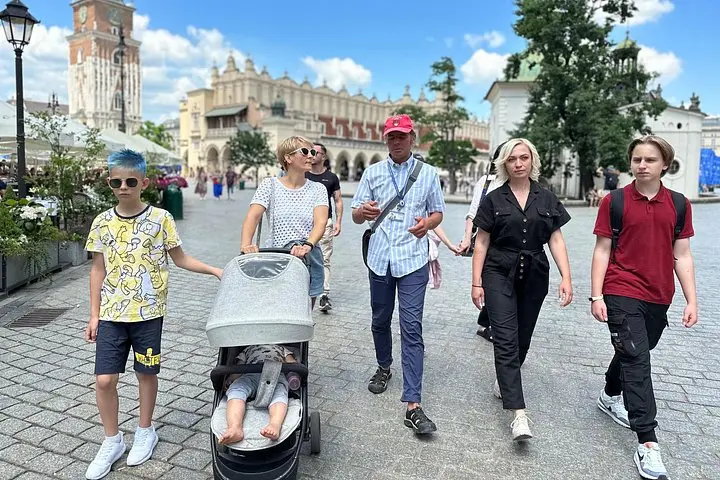

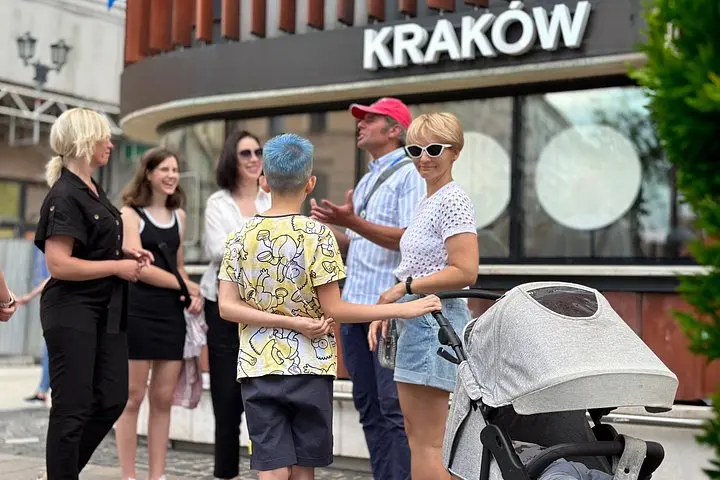
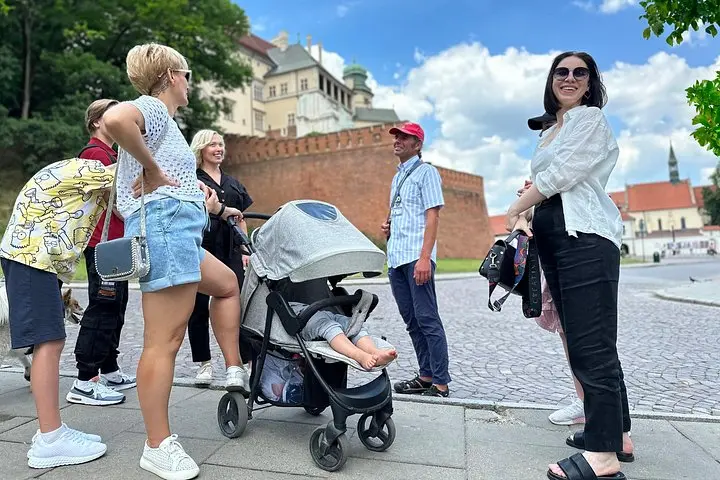
Morning light slants across worn cobblestones as the guide leads a small group into Kazimierz, Kraków’s Jewish Quarter. Cafés yawn awake, trams rattle on the edge, and the Vistula’s current seems to pull the neighbourhood’s stories toward the river.
Morning light slants across worn cobblestones as the guide leads a small group into Kazimierz, Kraków’s Jewish Quarter. Cafés yawn awake, trams rattle on the edge, and the Vistula’s current seems to pull the neighbourhood’s stories toward the river.
This compact two-hour walk threads together medieval synagogues, market squares and narrow lanes that hold layers of history — from medieval commerce and the vibrant Jewish life of the 16th–18th centuries to wartime rupture and the cultural revival after 1989. The architecture shifts from Gothic fragments to Moorish Revival synagogues and Baroque facades; look for carved stone, ironwork, and the way buildings lean together as if sharing secrets.
Culturally, Kazimierz is still a living quarter: small kosher and non-kosher eateries, contemporary Jewish cultural centers, and weekend markets at Plac Nowy. The area’s geology is simple — riverplain clay and cobbles — but the human imprint is complex, visible in synagogue inscriptions and cemetery stones that invite quiet reflection.
Practical guidance: the tour covers roughly 1.5–2 km of mostly flat but uneven cobblestones and short flights of stairs. Allow comfortable footwear, a light layer against sudden rain, and a 500 ml water bottle. Expect walking at an easy pace with frequent stops for context; some interiors are viewed from outside unless separate admission is arranged. The meeting point and exact route are confirmed at booking; arrive 10–15 minutes early. Keep an eye on belongings in crowded squares and treat historic sites respectfully — this is both a cultural and an outdoor-paced urban walk.