THE ADVENTURE COLLECTIVE® · Independent discovery and booking for outdoor travel

Follow a carved riverbed and climb a jungle path to the River of a Thousand Lingas, then compare the pink‑sandstone finesse of Banteay Srei on this private one‑day trip from Siem Reap. Expect a 3km walk, wooden staircases, and hands‑on cultural interpretation from a local guide.
Follow a carved riverbed and climb a jungle path to the River of a Thousand Lingas, then compare the pink‑sandstone finesse of Banteay Srei on this private one‑day trip from Siem Reap. Expect a 3km walk, wooden staircases, and hands‑on cultural interpretation from a local guide.
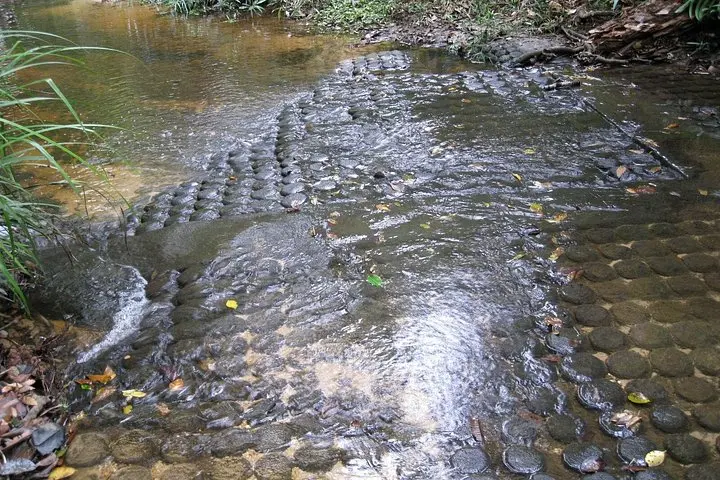
A warm, humid air holds the jungle open as you step off the minivan and onto a worn dirt trail. The river ahead seems to whisper—its current daring you to follow upstream where stone carvings press like fossils into the bedrock. This is Kbal Spean: a 150‑metre stretch of carved sandstone where rows of lingas and mythic figures mark a sacred channel once treated as both map and ritual.
Verified experiences and guided adventures in the surrounding area.
Operated by Tour Guide-Siem Reap · Siem Reap, Siem Reap Province
A warm, humid air holds the jungle open as you step off the minivan and onto a worn dirt trail. The river ahead seems to whisper—its current daring you to follow upstream where stone carvings press like fossils into the bedrock. This is Kbal Spean: a 150‑metre stretch of carved sandstone where rows of lingas and mythic figures mark a sacred channel once treated as both map and ritual.
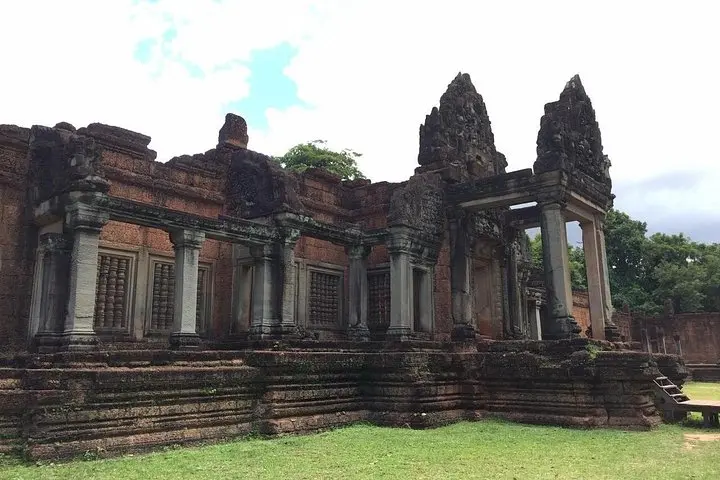
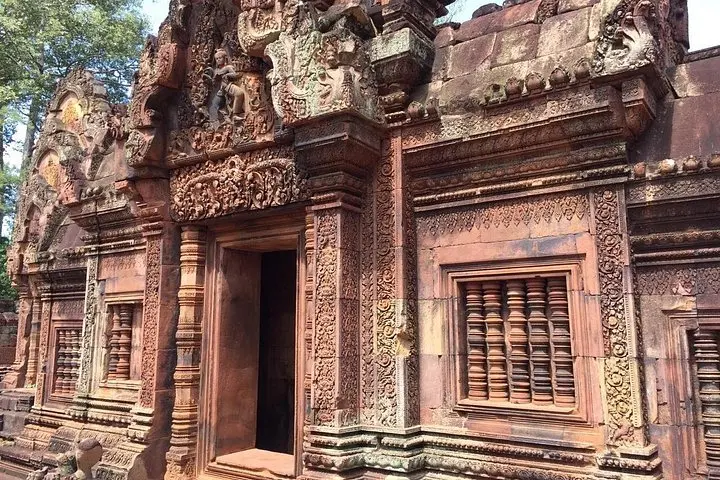
Walks here thread together history and geology. The Kulen Hills’ sandstone, soft enough to carve yet stubborn against rain, captured 10th–12th century Angkorian devotion: phallic lingas, depictions of Shiva and Vishnu, and animal motifs that mirror the forest’s own life. Nearby Banteay Srei—built in pink sandstone in the late 10th century—offers some of the Angkor region’s most delicate carving, while Banteay Samre’s later 12th‑century lines catch late afternoon light.
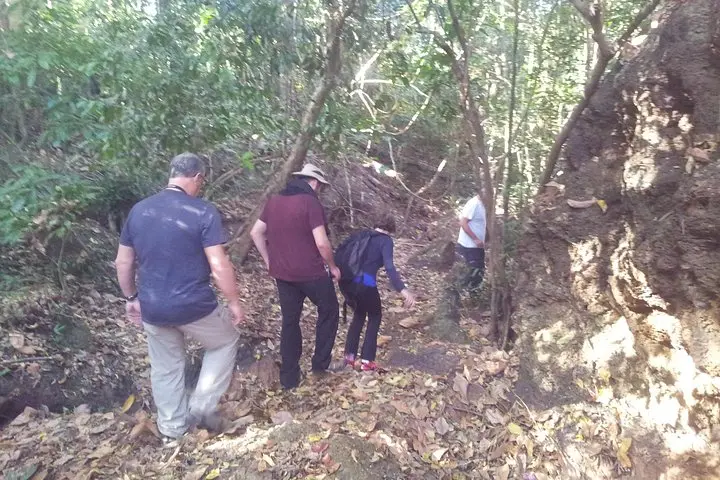
Practically: expect a 3km jungle hike with steep sections and wooden staircases—roughly 1–2 hours each way depending on pace—plus road transfers from Siem Reap. Wear grippy shoes for wet stone, bring sun protection, and plan for humidity; bottled water is commonly provided but carry a spare. Guides explain iconography, point out small wildlife, and manage park access; note that archaeological sites are fragile—avoid stepping on carvings and follow signage.
This private day combines a short but physical jungle trek, close‑up temple carving study, and light travel between dispersed sites—an active cultural walk best done in dry months or early morning to avoid heat and crowds.
Yes—most sites around Angkor, including Banteay Srei, require a valid Angkor Archaeological Park pass. This tour’s admission is not included, so purchase your pass in Siem Reap beforehand or confirm with the operator.
The trail is about 3km round trip with steep stretches and wooden staircases; it’s rated moderate and suits anyone with reasonable mobility and cardiovascular fitness.
This private tour typically includes hotel pickup and drop‑off, bottled water and a guide, but not site admission fees—check your booking details for what’s covered.
Dress respectfully—shoulders and knees should be covered for temple visits; lightweight long sleeves and breathable pants balance respect and comfort in heat.
Tour Guide-Siem Reap operates guided outdoor trips and adventures with an emphasis on safety, stewardship, and memorable experiences.
A warm, humid air holds the jungle open as you step off the minivan and onto a worn dirt trail. The river ahead seems to whisper—its current daring you to follow upstream where stone carvings press like fossils into the bedrock. This is Kbal Spean: a 150‑metre stretch of carved sandstone where rows of lingas and mythic figures mark a sacred channel once treated as both map and ritual.
A warm, humid air holds the jungle open as you step off the minivan and onto a worn dirt trail. The river ahead seems to whisper—its current daring you to follow upstream where stone carvings press like fossils into the bedrock. This is Kbal Spean: a 150‑metre stretch of carved sandstone where rows of lingas and mythic figures mark a sacred channel once treated as both map and ritual.
Walks here thread together history and geology. The Kulen Hills’ sandstone, soft enough to carve yet stubborn against rain, captured 10th–12th century Angkorian devotion: phallic lingas, depictions of Shiva and Vishnu, and animal motifs that mirror the forest’s own life. Nearby Banteay Srei—built in pink sandstone in the late 10th century—offers some of the Angkor region’s most delicate carving, while Banteay Samre’s later 12th‑century lines catch late afternoon light.
Practically: expect a 3km jungle hike with steep sections and wooden staircases—roughly 1–2 hours each way depending on pace—plus road transfers from Siem Reap. Wear grippy shoes for wet stone, bring sun protection, and plan for humidity; bottled water is commonly provided but carry a spare. Guides explain iconography, point out small wildlife, and manage park access; note that archaeological sites are fragile—avoid stepping on carvings and follow signage.
This private day combines a short but physical jungle trek, close‑up temple carving study, and light travel between dispersed sites—an active cultural walk best done in dry months or early morning to avoid heat and crowds.