THE ADVENTURE COLLECTIVE® · Independent discovery and booking for outdoor travel

Explore Kefalonia’s layered past and Ionian coastline on a private full-day tour that pairs Mycenaean tombs and Roman mosaics with a relaxing swim stop at Mounda Beach. Expect short walks, clear water and a curated local narrative.
Explore Kefalonia’s layered past and Ionian coastline on a private full-day tour that pairs Mycenaean tombs and Roman mosaics with a relaxing swim stop at Mounda Beach. Expect short walks, clear water and a curated local narrative.
The day begins on a narrow coastal road where olive trees slope toward the Ionian Sea and the air smells of salt and pine. Passengers settle into an air-conditioned vehicle and the island unfurls: limestone ridges, terraced vineyards and whitewashed villages sliding by as the guide outlines a route that threads Mycenaean tombs, Roman mosaics and a sheltered beach.
Verified experiences and guided adventures in the surrounding area.
Operated by Kefalonia Excursions · Skala, Ionian Islands
The day begins on a narrow coastal road where olive trees slope toward the Ionian Sea and the air smells of salt and pine. Passengers settle into an air-conditioned vehicle and the island unfurls: limestone ridges, terraced vineyards and whitewashed villages sliding by as the guide outlines a route that threads Mycenaean tombs, Roman mosaics and a sheltered beach.
Kefalonia’s archaeology traces a long coastline of cultural contact — Bronze Age beehive tombs tied to the Mycenaean world and a 2nd-century Roman villa whose mosaics reveal trade and taste in antiquity. Geologically the landscape is Ionian limestone: karst caves, sudden cliffs and sandy coves formed by tectonic uplift and sea action, giving the island its dramatic coastal shelves and clear turquoise water where Caretta caretta turtles nest.
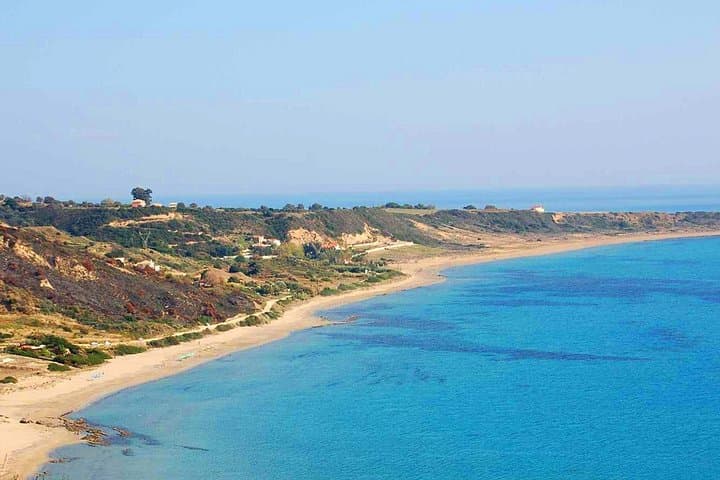
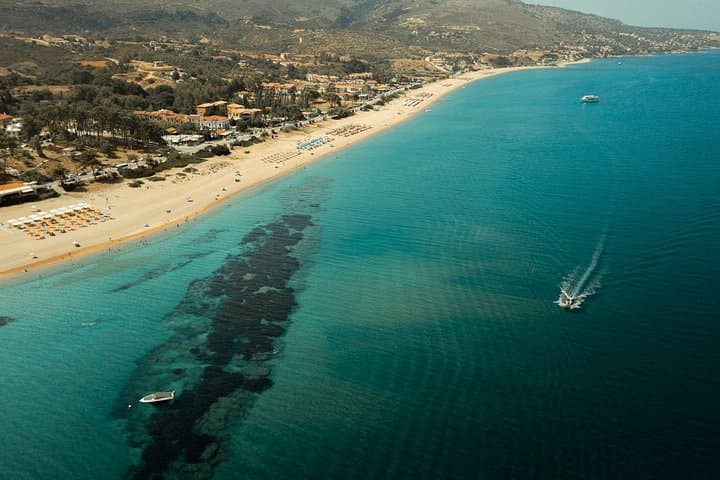
Travel through Skala village for a slow coffee and local ceramics, then follow quieter lanes to Mounda Beach for a swim stop in shallow, warm water. Short on-foot segments are flat to gently sloping; expect a few stairways and sandy approaches rather than steep hikes.
Practical guide: plan for a 7–9 hour outing with multiple stops, bring reef-safe sunscreen, a swim kit and a light wind layer for sea breeze. Wear comfortable walking shoes for archaeological sites and sandals for the beach. Hydrate between visits; mobile reception is intermittent in sheltered coves. The tour suits travelers looking to combine history, gentle coastal walking and a guaranteed swim break — a compact, full-day snapshot of Kefalonia’s natural and human story.
Yes — the tour offers pick up and drop off from hotels or designated meeting points in the agreed area.
Some admissions are included as noted in the itinerary, but confirm at booking whether all museum or site fees are covered.
Yes — there is a swim stop at Mounda Beach with time allocated to swim and relax on the sand.
The tour is rated easy with short walks; it’s generally suitable for families and older travelers who can manage brief walks and vehicle transfers.
Kefalonia Excursions operates guided outdoor trips and adventures with an emphasis on safety, stewardship, and memorable experiences.


The day begins on a narrow coastal road where olive trees slope toward the Ionian Sea and the air smells of salt and pine. Passengers settle into an air-conditioned vehicle and the island unfurls: limestone ridges, terraced vineyards and whitewashed villages sliding by as the guide outlines a route that threads Mycenaean tombs, Roman mosaics and a sheltered beach.
The day begins on a narrow coastal road where olive trees slope toward the Ionian Sea and the air smells of salt and pine. Passengers settle into an air-conditioned vehicle and the island unfurls: limestone ridges, terraced vineyards and whitewashed villages sliding by as the guide outlines a route that threads Mycenaean tombs, Roman mosaics and a sheltered beach.
Kefalonia’s archaeology traces a long coastline of cultural contact — Bronze Age beehive tombs tied to the Mycenaean world and a 2nd-century Roman villa whose mosaics reveal trade and taste in antiquity. Geologically the landscape is Ionian limestone: karst caves, sudden cliffs and sandy coves formed by tectonic uplift and sea action, giving the island its dramatic coastal shelves and clear turquoise water where Caretta caretta turtles nest.
Travel through Skala village for a slow coffee and local ceramics, then follow quieter lanes to Mounda Beach for a swim stop in shallow, warm water. Short on-foot segments are flat to gently sloping; expect a few stairways and sandy approaches rather than steep hikes.
Practical guide: plan for a 7–9 hour outing with multiple stops, bring reef-safe sunscreen, a swim kit and a light wind layer for sea breeze. Wear comfortable walking shoes for archaeological sites and sandals for the beach. Hydrate between visits; mobile reception is intermittent in sheltered coves. The tour suits travelers looking to combine history, gentle coastal walking and a guaranteed swim break — a compact, full-day snapshot of Kefalonia’s natural and human story.