THE ADVENTURE COLLECTIVE® · Independent discovery and booking for outdoor travel

Spend a long day exploring Kekova’s submerged ruins by boat, then walk among Lycian tombs in Myra and visit St. Nicholas’ church in Demre. This tour blends coastal geology, layered history and practical seaside adventure from Antalya.
Spend a long day exploring Kekova’s submerged ruins by boat, then walk among Lycian tombs in Myra and visit St. Nicholas’ church in Demre. This tour blends coastal geology, layered history and practical seaside adventure from Antalya.
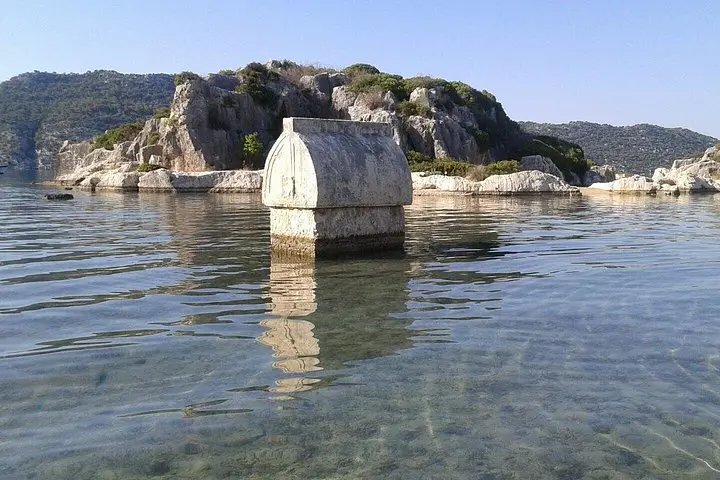
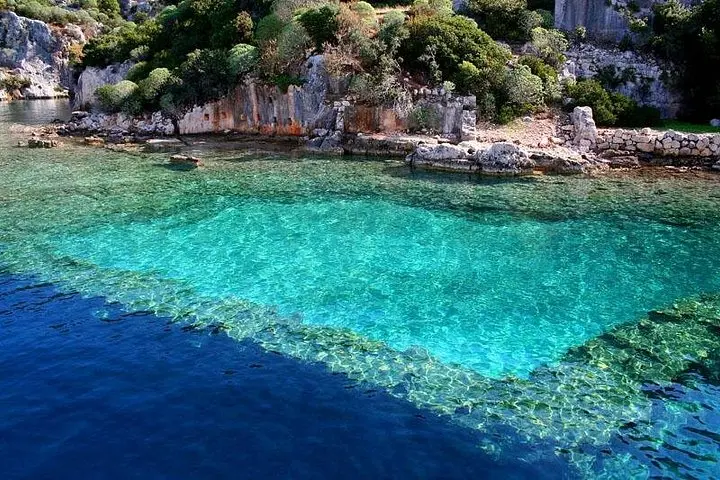
A low-slung gulet slips out from the mainland and the Mediterranean opens like a map you can read by eye — turquoises deepen, rock faces sharpen, and a scattering of tiles and steps ghost beneath the water.
Verified experiences and guided adventures in the surrounding area.
Operated by kapadokya seyahat acentası turizm ve otelcilik işlt. ltd.şti. · Antalya, Antalya Province
A low-slung gulet slips out from the mainland and the Mediterranean opens like a map you can read by eye — turquoises deepen, rock faces sharpen, and a scattering of tiles and steps ghost beneath the water.
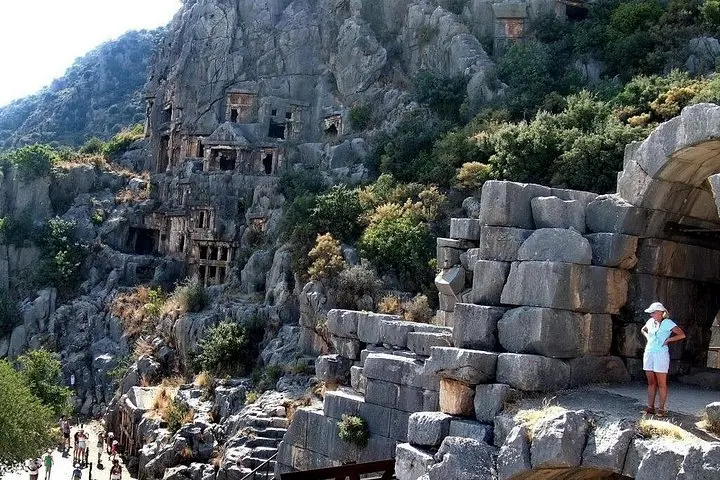
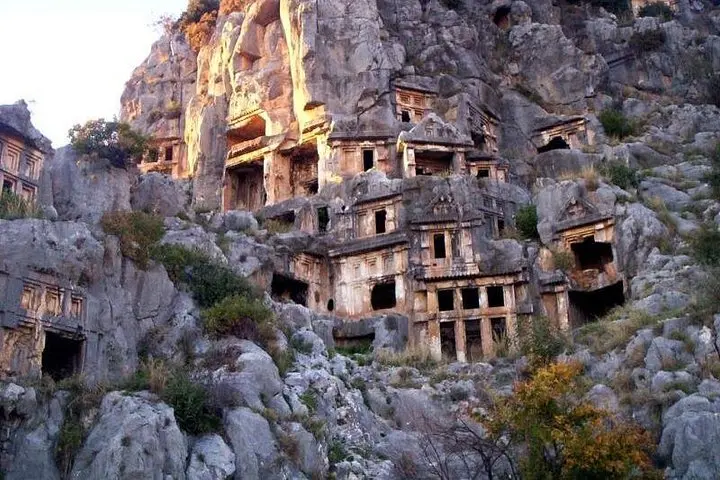
This full-day boat tour threads three distinct chapters of Lycia: Kekova’s submerged streets and house steps that whisper of tectonic change; Myra’s cliff-cut Lycian tombs and a Roman theater carved into a working hillside; and Demre, where the Church of St. Nicholas casts a long cultural shadow. Geologically the coastline is young and restless — uplifted limestone terraces and karst ridges pushed by the Anatolian plate once toppled settlements into the sea.
Culturally, the route stitches Greek, Byzantine and Ottoman layers: fishing villages still haul nets where ancient traders once landed. An art historian-guide typically annotates the ruins, pointing out masonry styles, maritime trade traces and the church’s mosaics while explaining how sea levels and earthquakes reconfigured local life.
Practical guidance: expect a 10–11 hour day that mixes two hours afloat with short, mostly flat walks at sites. Wear sturdy shoes for cobbled lanes and moderate steps, bring swimwear and a towel if the captain allows a stop, and carry sun protection — shade is limited on deck. Mobility is generally easy but uneven terrain at archaeological sites favors steady footing. Bring cash for small entry fees or local purchases and motion-sickness remedies if you’re prone.
The day delivers archaeology and coastline in one pack: salt on your lips, rock beneath your feet, and the sea daring you to look deeper.
If sea and weather conditions permit, the boat may stop for a swim near Kekova; always follow the crew’s safety instructions.
The tour description notes the Myra ancient city entrance ticket is included; check with the operator about any additional local fees.
Yes — standard inclusions list hotel pickup and drop-off in Antalya; confirm your pickup point during booking.
The trip is labeled physically easy and allows strollers for infants, but archaeological sites have uneven ground and steps that can be challenging for limited mobility.
kapadokya seyahat acentası turizm ve otelcilik işlt. ltd.şti. operates guided outdoor trips and adventures with an emphasis on safety, stewardship, and memorable experiences.
A low-slung gulet slips out from the mainland and the Mediterranean opens like a map you can read by eye — turquoises deepen, rock faces sharpen, and a scattering of tiles and steps ghost beneath the water.
A low-slung gulet slips out from the mainland and the Mediterranean opens like a map you can read by eye — turquoises deepen, rock faces sharpen, and a scattering of tiles and steps ghost beneath the water.
This full-day boat tour threads three distinct chapters of Lycia: Kekova’s submerged streets and house steps that whisper of tectonic change; Myra’s cliff-cut Lycian tombs and a Roman theater carved into a working hillside; and Demre, where the Church of St. Nicholas casts a long cultural shadow. Geologically the coastline is young and restless — uplifted limestone terraces and karst ridges pushed by the Anatolian plate once toppled settlements into the sea.
Culturally, the route stitches Greek, Byzantine and Ottoman layers: fishing villages still haul nets where ancient traders once landed. An art historian-guide typically annotates the ruins, pointing out masonry styles, maritime trade traces and the church’s mosaics while explaining how sea levels and earthquakes reconfigured local life.
Practical guidance: expect a 10–11 hour day that mixes two hours afloat with short, mostly flat walks at sites. Wear sturdy shoes for cobbled lanes and moderate steps, bring swimwear and a towel if the captain allows a stop, and carry sun protection — shade is limited on deck. Mobility is generally easy but uneven terrain at archaeological sites favors steady footing. Bring cash for small entry fees or local purchases and motion-sickness remedies if you’re prone.
The day delivers archaeology and coastline in one pack: salt on your lips, rock beneath your feet, and the sea daring you to look deeper.