THE ADVENTURE COLLECTIVE® · Independent discovery and booking for outdoor travel

Short transfer from Yogyakarta to Kulon Progo leads to Kembang Soka’s cool plunge pool and a simple village lunch. This half-day guided trip combines an easy walk, a swim under the falls, and local cultural touches.
Short transfer from Yogyakarta to Kulon Progo leads to Kembang Soka’s cool plunge pool and a simple village lunch. This half-day guided trip combines an easy walk, a swim under the falls, and local cultural touches.
The morning van eases out of Yogyakarta and the rice paddies tilt away as the road climbs toward Kulon Progo. You step off at a village track, the air cooling under a ridge of trees; somewhere ahead the water calls, its voice rising and falling like a dare. A short walk drops into a hollow where Kembang Soka Waterfall breaks the canopy and pours into a clear plunge pool framed by strewn boulders and flowering soka plants.
Verified experiences and guided adventures in the surrounding area.
Operated by Wandernesia · Kulon Progo, Special Region of Yogyakarta
The morning van eases out of Yogyakarta and the rice paddies tilt away as the road climbs toward Kulon Progo. You step off at a village track, the air cooling under a ridge of trees; somewhere ahead the water calls, its voice rising and falling like a dare. A short walk drops into a hollow where Kembang Soka Waterfall breaks the canopy and pours into a clear plunge pool framed by strewn boulders and flowering soka plants.
This pocket of the Menoreh hills has been shaped by volcanic flows and fast tropical streams; channels cut through young volcanic rock and alluvial deposits create ledges and basins that make small, swimmable falls. Locals named the site for the soka flowers that grow nearby and are still used in village offerings and roadside ceremonies, so the visit blends natural spectacle with everyday Javanese life.
Expect a shaded trail of mixed dirt and stone, several minutes of uphill and downhill walking, then a wide pool where swimming is common in calmer months. The tour usually includes a simple local lunch at nearby stalls and bottled water; guides often speak English, Dutch, Italian, or French by request but confirm ahead for language needs.
Practical notes: wear water shoes or sturdy sandals, bring insect repellent and a quick-dry change of clothes, and carry small cash for snacks and tips. Check weather first—heavy rain raises flow and can make the approach slippery. Respect signs and local rules, swim conservatively, and leave no trace to help keep the pools clean for the community that manages them.
The approach from the drop-off is a short village trail—typically 10–20 minutes on uneven dirt and stone; allow extra time if the group moves slowly.
Yes—there is a natural plunge pool suitable for swimming in normal conditions, but avoid entering after heavy rain when flows rise.
Guides in English, Dutch, Italian, and French are offered, but availability is limited in high season—confirm at booking.
This tour is not recommended for pregnant travelers or people with serious back or cardiovascular issues due to uneven terrain and swimming activities.
Wandernesia operates guided outdoor trips and adventures with an emphasis on safety, stewardship, and memorable experiences.
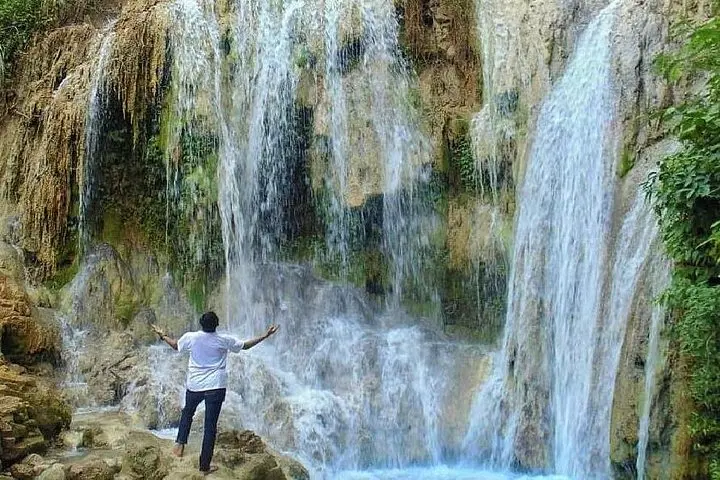
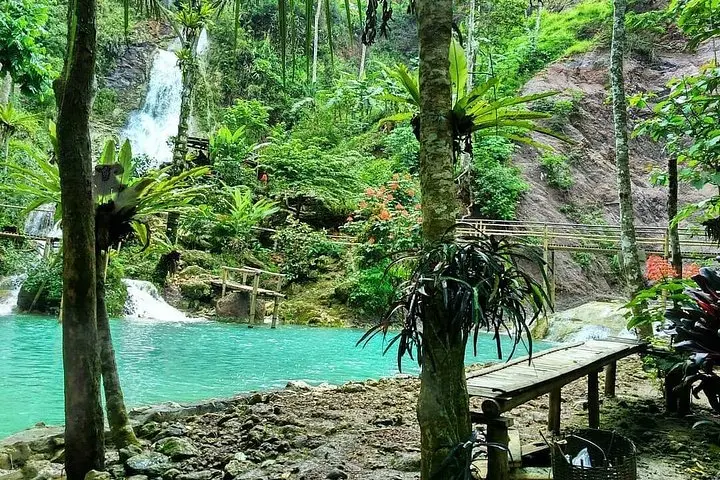
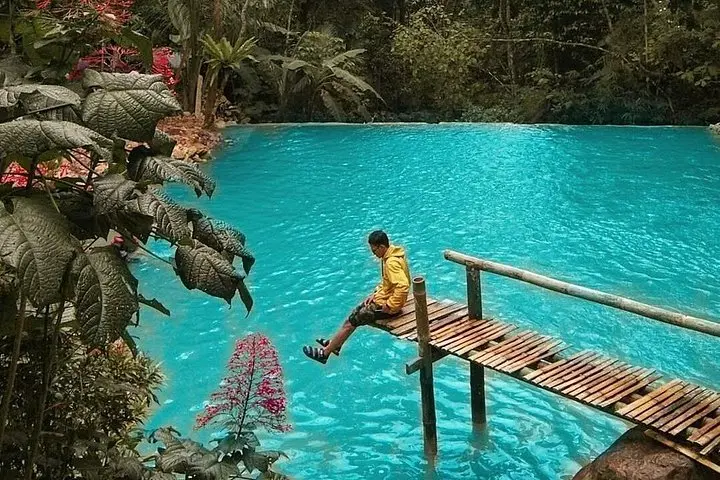
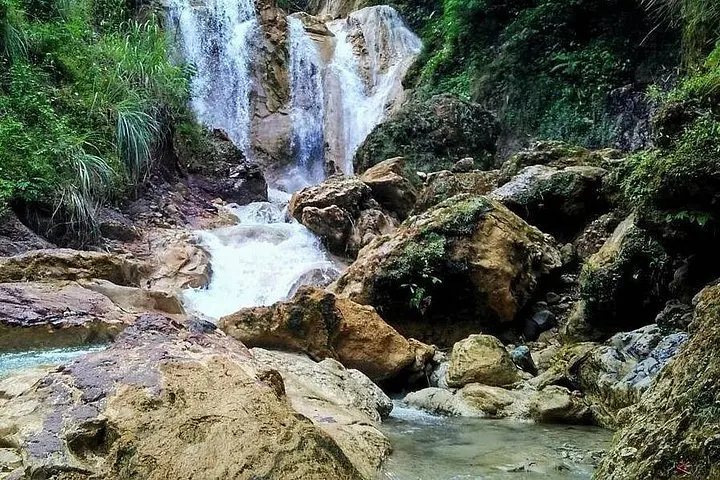
The morning van eases out of Yogyakarta and the rice paddies tilt away as the road climbs toward Kulon Progo. You step off at a village track, the air cooling under a ridge of trees; somewhere ahead the water calls, its voice rising and falling like a dare. A short walk drops into a hollow where Kembang Soka Waterfall breaks the canopy and pours into a clear plunge pool framed by strewn boulders and flowering soka plants.
The morning van eases out of Yogyakarta and the rice paddies tilt away as the road climbs toward Kulon Progo. You step off at a village track, the air cooling under a ridge of trees; somewhere ahead the water calls, its voice rising and falling like a dare. A short walk drops into a hollow where Kembang Soka Waterfall breaks the canopy and pours into a clear plunge pool framed by strewn boulders and flowering soka plants.
This pocket of the Menoreh hills has been shaped by volcanic flows and fast tropical streams; channels cut through young volcanic rock and alluvial deposits create ledges and basins that make small, swimmable falls. Locals named the site for the soka flowers that grow nearby and are still used in village offerings and roadside ceremonies, so the visit blends natural spectacle with everyday Javanese life.
Expect a shaded trail of mixed dirt and stone, several minutes of uphill and downhill walking, then a wide pool where swimming is common in calmer months. The tour usually includes a simple local lunch at nearby stalls and bottled water; guides often speak English, Dutch, Italian, or French by request but confirm ahead for language needs.
Practical notes: wear water shoes or sturdy sandals, bring insect repellent and a quick-dry change of clothes, and carry small cash for snacks and tips. Check weather first—heavy rain raises flow and can make the approach slippery. Respect signs and local rules, swim conservatively, and leave no trace to help keep the pools clean for the community that manages them.