THE ADVENTURE COLLECTIVE® · Independent discovery and booking for outdoor travel

Spend six hours skirting the fjords of the Harding Icefield on a wildlife-and-glacier cruise from Seward. Expect tidewater glaciers, seabird rookeries and chances to spot whales and seals, all with onboard commentary and lunch.
Spend six hours skirting the fjords of the Harding Icefield on a wildlife-and-glacier cruise from Seward. Expect tidewater glaciers, seabird rookeries and chances to spot whales and seals, all with onboard commentary and lunch.
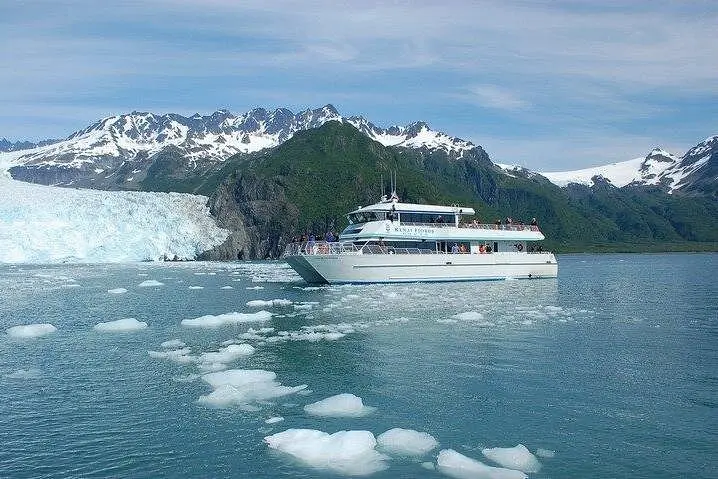
The ramp clanks and the harbor smells of diesel, kelp and cold iron as you step aboard in Seward. The boat eases out into Resurrection Bay and the town slips away — low roofs and fishing boats shrinking against a wall of mountains. Ahead, the Harding Icefield pours into the coast in fingers of blue: Aialik and Holgate glaciers, tidewater behemoths that crack and calve with the indifference of millennia. Seabirds wheel and scold; a pod of humpbacks surfaces with a soft, rolling exhale that feels like punctuation.
Verified experiences and guided adventures in the surrounding area.
Operated by The Alaska Collection · Seward, Alaska
The ramp clanks and the harbor smells of diesel, kelp and cold iron as you step aboard in Seward. The boat eases out into Resurrection Bay and the town slips away — low roofs and fishing boats shrinking against a wall of mountains. Ahead, the Harding Icefield pours into the coast in fingers of blue: Aialik and Holgate glaciers, tidewater behemoths that crack and calve with the indifference of millennia. Seabirds wheel and scold; a pod of humpbacks surfaces with a soft, rolling exhale that feels like punctuation.
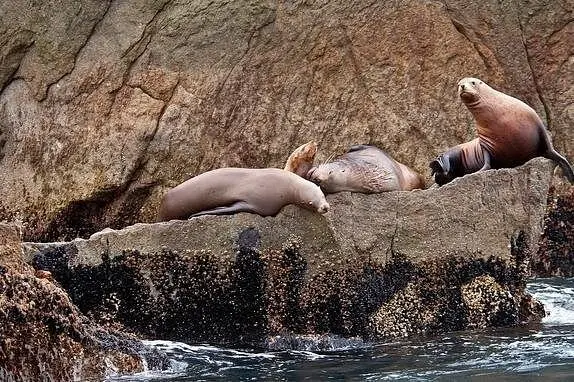
This six-hour voyage stitches together geology, wildlife and coastal history. The Harding Icefield is a remnant of the last ice age; its outlet glaciers carved the fjords and still ferry icebergs to the sea. The Alaska Maritime National Wildlife Refuge—2,400 islands, headlands and reefs—hosts dense seabird rookeries and seals hauled out on rocky skerries. Seward itself is a coastal gateway with a fishing-town past and an active relationship to the sea: the port, the railroad, and the people who still earn a living off fish and tourism.
Onboard, the captain and naturalist translate the landscape: how tidewater glaciers calve, why glacier faces are striped blue, and how currents funnel nutrient-rich water that draws whales and feeding flocks. The wildlife here has agency; the currents push food up into the shallows, whales follow, and the birds respond in choreographed bursts. Keep your binoculars trained on streamers of guillemots and puffins clinging to sheer rock.
Practically, this is a comfortable way to see Kenai Fjords if you have limited time or are connecting to a cruise. Boats have restrooms, commentary and a provided lunch; expect open decks for viewing and covered seating for colder stretches. Dress in layered, windproof clothing — weather on the Gulf of Alaska can flip from mirror-calm to sharp spray in minutes. If you're prone to seasickness, take precautions before boarding; the captain will slow and shield the boat for wildlife encounters when possible.
Timing matters: wildlife is more active in late morning and early afternoon, while light for photography often favors the low-angle hours. Be respectful — maintain distance from marine mammals and follow crew instructions during close approaches and calving events for safety.
Whether you watch a glacier detach and thunder into the water or spot a whale’s tail vanish into cold depths, the Seward shore excursion tightens the connection between raw Alaskan geology and the wildlife that depends on it. It’s a straightforward, high-return way to meet the Kenai Peninsula’s wild coast without miles of hiking — and with a front-row seat to the glaciers doing the hard work of shaping the land.
The tour runs about six hours from the Seward departure point, including narrated passages through Resurrection Bay and Kenai Fjords.
Yes — vessels are equipped with onboard restrooms and covered seating areas for comfort.
Yes — the cruise visits tidewater glaciers like Aialik or Holgate; proximity depends on conditions and safety, and calving can occur at any time.
The operator lists the tour as wheelchair accessible, but shore boarding and gangway access may require assistance — contact the supplier ahead to arrange pickup and support.
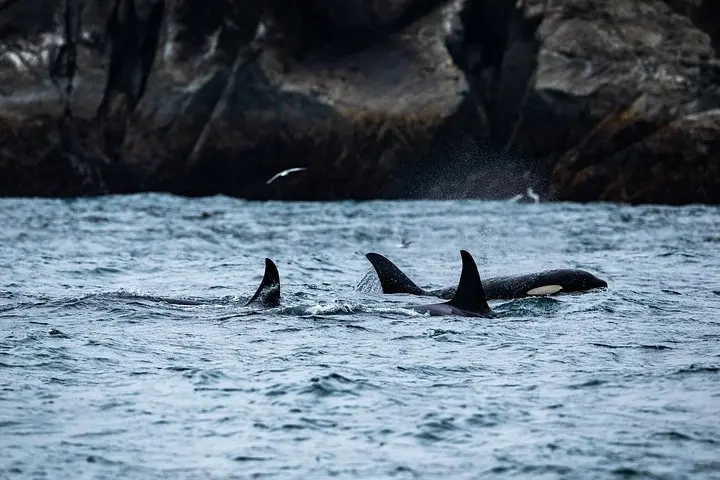
Common sightings include humpback whales, orcas (seasonal), sea otters, harbor seals, and large seabird colonies; sightings are not guaranteed.
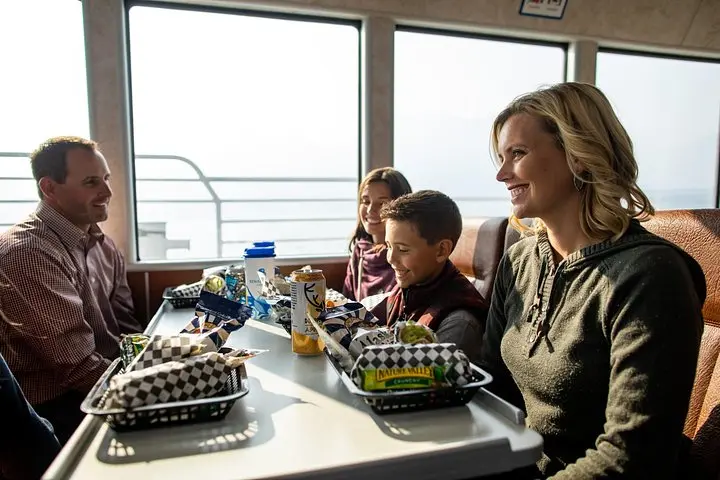
Lunch is provided and vegetarian options are available if requested at booking — notify the operator in advance for special dietary needs.
The Alaska Collection operates guided outdoor trips and adventures with an emphasis on safety, stewardship, and memorable experiences.
The ramp clanks and the harbor smells of diesel, kelp and cold iron as you step aboard in Seward. The boat eases out into Resurrection Bay and the town slips away — low roofs and fishing boats shrinking against a wall of mountains. Ahead, the Harding Icefield pours into the coast in fingers of blue: Aialik and Holgate glaciers, tidewater behemoths that crack and calve with the indifference of millennia. Seabirds wheel and scold; a pod of humpbacks surfaces with a soft, rolling exhale that feels like punctuation.
The ramp clanks and the harbor smells of diesel, kelp and cold iron as you step aboard in Seward. The boat eases out into Resurrection Bay and the town slips away — low roofs and fishing boats shrinking against a wall of mountains. Ahead, the Harding Icefield pours into the coast in fingers of blue: Aialik and Holgate glaciers, tidewater behemoths that crack and calve with the indifference of millennia. Seabirds wheel and scold; a pod of humpbacks surfaces with a soft, rolling exhale that feels like punctuation.
This six-hour voyage stitches together geology, wildlife and coastal history. The Harding Icefield is a remnant of the last ice age; its outlet glaciers carved the fjords and still ferry icebergs to the sea. The Alaska Maritime National Wildlife Refuge—2,400 islands, headlands and reefs—hosts dense seabird rookeries and seals hauled out on rocky skerries. Seward itself is a coastal gateway with a fishing-town past and an active relationship to the sea: the port, the railroad, and the people who still earn a living off fish and tourism.
Onboard, the captain and naturalist translate the landscape: how tidewater glaciers calve, why glacier faces are striped blue, and how currents funnel nutrient-rich water that draws whales and feeding flocks. The wildlife here has agency; the currents push food up into the shallows, whales follow, and the birds respond in choreographed bursts. Keep your binoculars trained on streamers of guillemots and puffins clinging to sheer rock.
Practically, this is a comfortable way to see Kenai Fjords if you have limited time or are connecting to a cruise. Boats have restrooms, commentary and a provided lunch; expect open decks for viewing and covered seating for colder stretches. Dress in layered, windproof clothing — weather on the Gulf of Alaska can flip from mirror-calm to sharp spray in minutes. If you're prone to seasickness, take precautions before boarding; the captain will slow and shield the boat for wildlife encounters when possible.
Timing matters: wildlife is more active in late morning and early afternoon, while light for photography often favors the low-angle hours. Be respectful — maintain distance from marine mammals and follow crew instructions during close approaches and calving events for safety.
Whether you watch a glacier detach and thunder into the water or spot a whale’s tail vanish into cold depths, the Seward shore excursion tightens the connection between raw Alaskan geology and the wildlife that depends on it. It’s a straightforward, high-return way to meet the Kenai Peninsula’s wild coast without miles of hiking — and with a front-row seat to the glaciers doing the hard work of shaping the land.