THE ADVENTURE COLLECTIVE® · Independent discovery and booking for outdoor travel

Spend a full day in North Kerala learning basic Kalaripayattu techniques with a local master, then witness an evening Theyyam ritual. This immersive cultural tour pairs hands-on martial training with temple theatre for an authentic regional experience.
Spend a full day in North Kerala learning basic Kalaripayattu techniques with a local master, then witness an evening Theyyam ritual. This immersive cultural tour pairs hands-on martial training with temple theatre for an authentic regional experience.
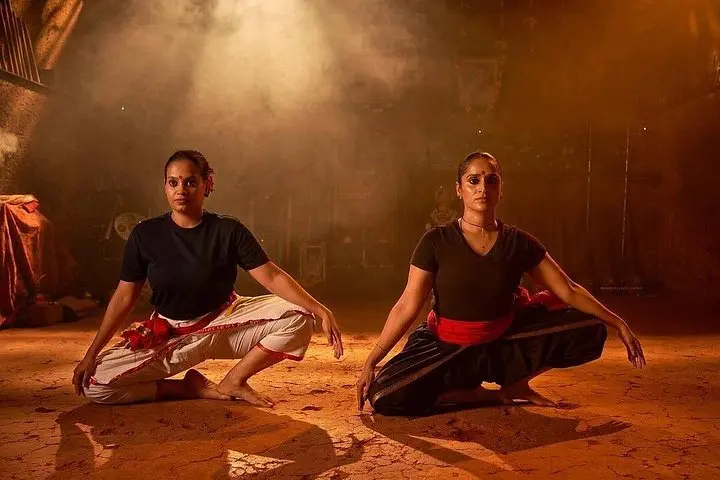
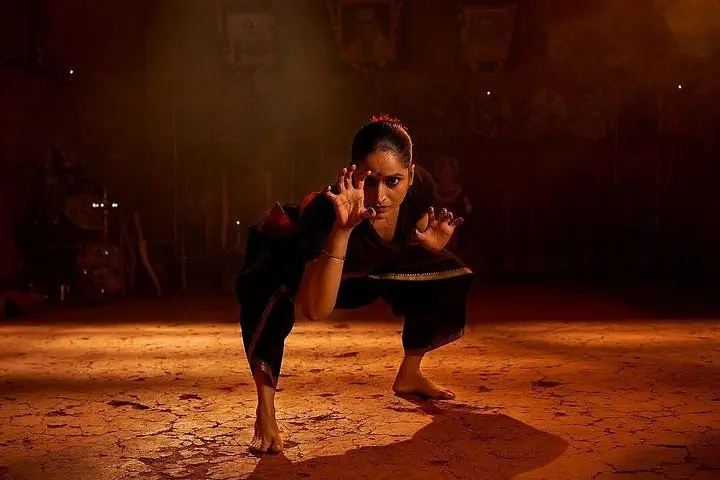
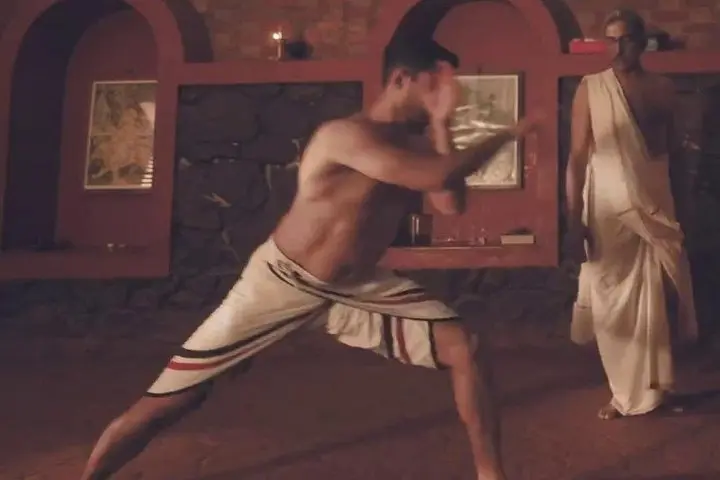
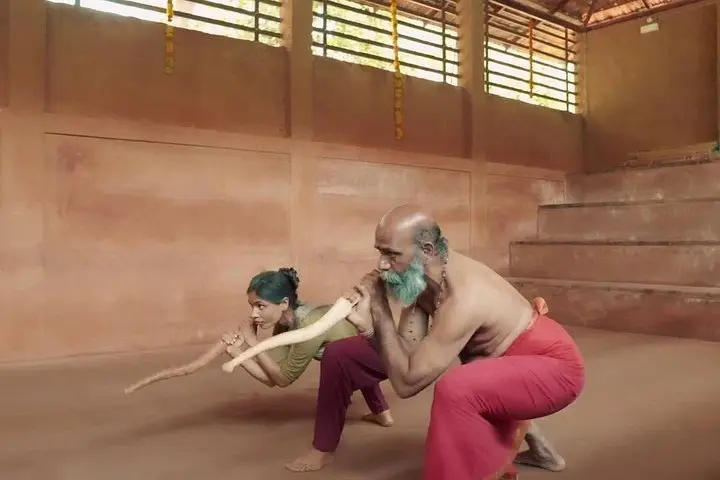
The sun lifts off the Arabian Sea and a courtyard fills with measured breath — leather soles scuffing packed earth, wooden staffs tapping like a distant pulse. You arrive at a training kalari where a master moves with economy: a bend, a sweep, a low stance that maps generations of practice. Morning light picks out callused hands and the chalked lines of the arena as students rehearse strikes that are equal parts combat and choreography.
Verified experiences and guided adventures in the surrounding area.
Operated by Velutha · Kannur, Kerala
The sun lifts off the Arabian Sea and a courtyard fills with measured breath — leather soles scuffing packed earth, wooden staffs tapping like a distant pulse. You arrive at a training kalari where a master moves with economy: a bend, a sweep, a low stance that maps generations of practice. Morning light picks out callused hands and the chalked lines of the arena as students rehearse strikes that are equal parts combat and choreography.
Kalaripayattu is Kerala’s living martial heritage, developed over centuries within the region’s feudal and temple cultures. Theyyam, practiced mainly in North Malabar, carries a different gravity: evening ritual theatre in which performers embody deities through paint, costume, and trance. The two provide complementary windows into local identity — the physical discipline of Kalaripayattu and the spiritual enactment of Theyyam — set against Kerala’s lateritic soil, coconut groves, and coastal humidity.
Expect a day arranged around observation, a hands-on beginner workshop, and an evening ritual. The workshop covers basic stances, mobility drills, and stick work using provided wooden staffs; instructors tailor attention to novices. The Theyyam segment is a live temple performance — wear respectful clothing, follow local guidelines, and be prepared for intense sensory theater: drums, smoke, and vibrant paint.
Practical tips: arrive hydrated and sun-aware, wear flexible clothing for the workshop, charge cameras but ask before photographing ritual moments, and plan transport back to Kannur or nearby towns after late-night performances. This is a full-day cultural immersion that trades spectacle for authenticity.
No — the workshop is beginner-friendly and instructors adapt drills for newcomers while demonstrating traditional techniques.
Photography rules vary by shrine and performer; always ask your guide or the host before taking photos, especially when rituals involve devotees.
Most itineraries provide private transport; independently, you can reach nearby villages by taxi or arranged transfer from Kannur (roughly 30–60 minutes depending on location).
This experience is not recommended for travelers with spinal injuries, pregnancy, or significant cardiovascular conditions due to physical movements and the intensity of ritual settings.
Velutha operates guided outdoor trips and adventures with an emphasis on safety, stewardship, and memorable experiences.
The sun lifts off the Arabian Sea and a courtyard fills with measured breath — leather soles scuffing packed earth, wooden staffs tapping like a distant pulse. You arrive at a training kalari where a master moves with economy: a bend, a sweep, a low stance that maps generations of practice. Morning light picks out callused hands and the chalked lines of the arena as students rehearse strikes that are equal parts combat and choreography.
The sun lifts off the Arabian Sea and a courtyard fills with measured breath — leather soles scuffing packed earth, wooden staffs tapping like a distant pulse. You arrive at a training kalari where a master moves with economy: a bend, a sweep, a low stance that maps generations of practice. Morning light picks out callused hands and the chalked lines of the arena as students rehearse strikes that are equal parts combat and choreography.
Kalaripayattu is Kerala’s living martial heritage, developed over centuries within the region’s feudal and temple cultures. Theyyam, practiced mainly in North Malabar, carries a different gravity: evening ritual theatre in which performers embody deities through paint, costume, and trance. The two provide complementary windows into local identity — the physical discipline of Kalaripayattu and the spiritual enactment of Theyyam — set against Kerala’s lateritic soil, coconut groves, and coastal humidity.
Expect a day arranged around observation, a hands-on beginner workshop, and an evening ritual. The workshop covers basic stances, mobility drills, and stick work using provided wooden staffs; instructors tailor attention to novices. The Theyyam segment is a live temple performance — wear respectful clothing, follow local guidelines, and be prepared for intense sensory theater: drums, smoke, and vibrant paint.
Practical tips: arrive hydrated and sun-aware, wear flexible clothing for the workshop, charge cameras but ask before photographing ritual moments, and plan transport back to Kannur or nearby towns after late-night performances. This is a full-day cultural immersion that trades spectacle for authenticity.