THE ADVENTURE COLLECTIVE® · Independent discovery and booking for outdoor travel

Spend a full day from Naha exploring the transparent waters of the Kerama Islands. This beginner-friendly boat experience includes 2–3 snorkel or introductory dive stops, equipment, and seasonal whale watching.
Spend a full day from Naha exploring the transparent waters of the Kerama Islands. This beginner-friendly boat experience includes 2–3 snorkel or introductory dive stops, equipment, and seasonal whale watching.
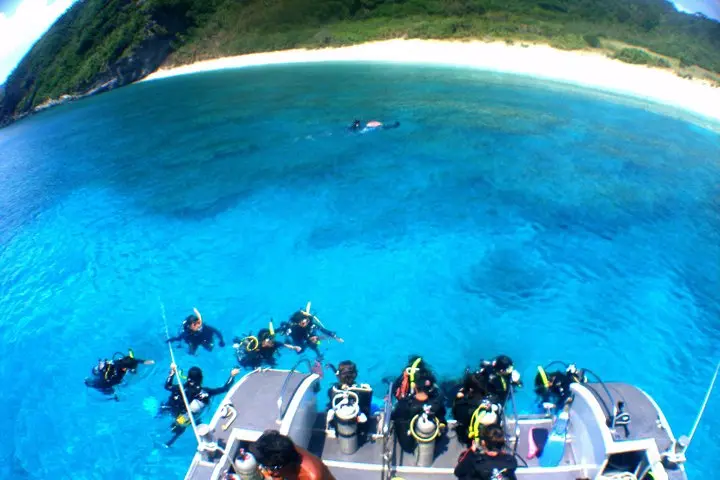
A blue roof of sky and an ocean so clear you can read the reef from the boat — this is the opening frame of a Kerama Islands day trip. Departing Naha, the boat slips across turquoise lanes toward Zamami, Tokashiki, and the smaller isles; the wind tastes faintly of coral and salt. Dive instructors brief the group on deck, hand over masks and regulators, and guide even first-timers through surface practice before the controlled descent.
Verified experiences and guided adventures in the surrounding area.
Operated by JOY CREATE OKINAWA TEA-DA · Naha, Okinawa Prefecture
A blue roof of sky and an ocean so clear you can read the reef from the boat — this is the opening frame of a Kerama Islands day trip. Departing Naha, the boat slips across turquoise lanes toward Zamami, Tokashiki, and the smaller isles; the wind tastes faintly of coral and salt. Dive instructors brief the group on deck, hand over masks and regulators, and guide even first-timers through surface practice before the controlled descent.
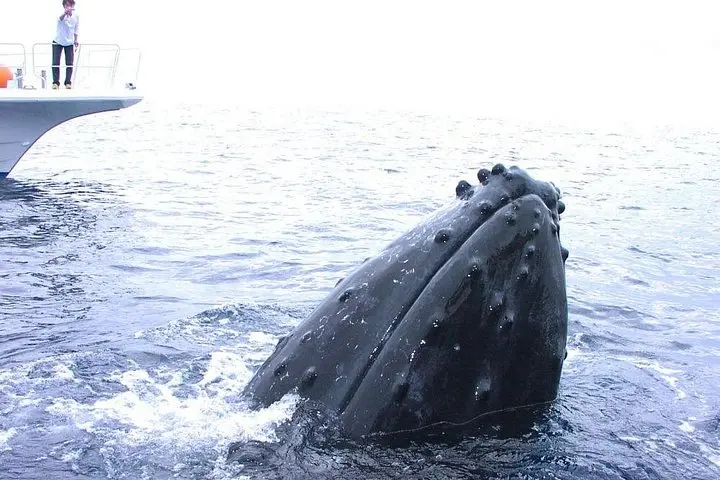
Geologically the Kerama group is built from uplifted coral platforms and limestone outcrops; the shallow shelves and channels create brilliant visibility and dense hard and soft coral gardens. Culturally these islands are part of the Ryukyu chain with fishing traditions and wartime history that echo in small temples and memorials on shore. From January to March the deep channels also draw migrating humpback whales into the same waters you’ll explore.
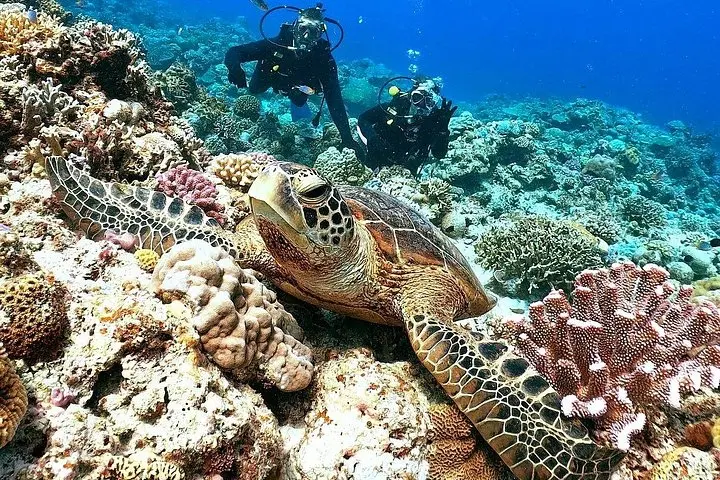
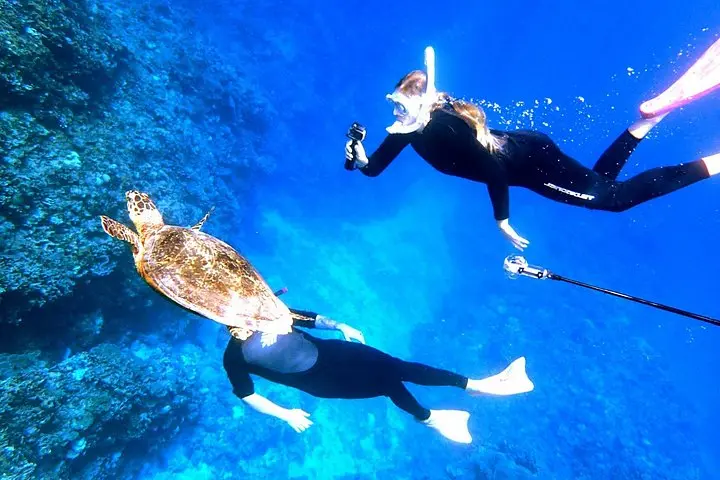
Practically, expect a full 6–7 hour day: two to three stops, boat transfers, and shore breaks at calm coves for snorkeling. Instructors provide wetsuits, tanks, masks, and basic photos; motion-sickness meds and pick-up from central Naha are usually available. Visibility is excellent in spring and summer but watch forecasts — rough seas cancel trips. Bring reef-safe sunscreen, a lightweight towel, and a waterproof bag for valuables. Move slowly underwater, keep distance from turtles and corals, and follow guide signals: this trip is about relaxed discovery rather than deep technical dives. The Kerama day trip is ideal for curious beginners and snorkelers who want to meet turtles, drift over coral gardens, and return to Naha with a camera full of underwater color.
No; this tour offers introductory/trial dives led by instructors and snorkeling options—certification is not required.
Non-swimmers can usually participate with flotation support and one-on-one guidance, but declare concerns during booking and the pre-dive check.
Wildlife sightings are common but not guaranteed; turtles are often seen on reef dives and whales may appear between January and March.
Trips cancel for unsafe sea conditions; the operator refunds full payment if canceled at least 24 hours before departure or due to bad weather.
JOY CREATE OKINAWA TEA-DA operates guided outdoor trips and adventures with an emphasis on safety, stewardship, and memorable experiences.
A blue roof of sky and an ocean so clear you can read the reef from the boat — this is the opening frame of a Kerama Islands day trip. Departing Naha, the boat slips across turquoise lanes toward Zamami, Tokashiki, and the smaller isles; the wind tastes faintly of coral and salt. Dive instructors brief the group on deck, hand over masks and regulators, and guide even first-timers through surface practice before the controlled descent.
A blue roof of sky and an ocean so clear you can read the reef from the boat — this is the opening frame of a Kerama Islands day trip. Departing Naha, the boat slips across turquoise lanes toward Zamami, Tokashiki, and the smaller isles; the wind tastes faintly of coral and salt. Dive instructors brief the group on deck, hand over masks and regulators, and guide even first-timers through surface practice before the controlled descent.
Geologically the Kerama group is built from uplifted coral platforms and limestone outcrops; the shallow shelves and channels create brilliant visibility and dense hard and soft coral gardens. Culturally these islands are part of the Ryukyu chain with fishing traditions and wartime history that echo in small temples and memorials on shore. From January to March the deep channels also draw migrating humpback whales into the same waters you’ll explore.
Practically, expect a full 6–7 hour day: two to three stops, boat transfers, and shore breaks at calm coves for snorkeling. Instructors provide wetsuits, tanks, masks, and basic photos; motion-sickness meds and pick-up from central Naha are usually available. Visibility is excellent in spring and summer but watch forecasts — rough seas cancel trips. Bring reef-safe sunscreen, a lightweight towel, and a waterproof bag for valuables. Move slowly underwater, keep distance from turtles and corals, and follow guide signals: this trip is about relaxed discovery rather than deep technical dives. The Kerama day trip is ideal for curious beginners and snorkelers who want to meet turtles, drift over coral gardens, and return to Naha with a camera full of underwater color.