THE ADVENTURE COLLECTIVE® · Independent discovery and booking for outdoor travel

Set out from Naha for a full-day snorkel cruise to the Kerama Islands, where remarkable visibility and vibrant reefs make for easy, sheltered snorkeling. Guides supply gear, lunch and local insights—perfect for beginners and seasoned surface swimmers alike.
Set out from Naha for a full-day snorkel cruise to the Kerama Islands, where remarkable visibility and vibrant reefs make for easy, sheltered snorkeling. Guides supply gear, lunch and local insights—perfect for beginners and seasoned surface swimmers alike.
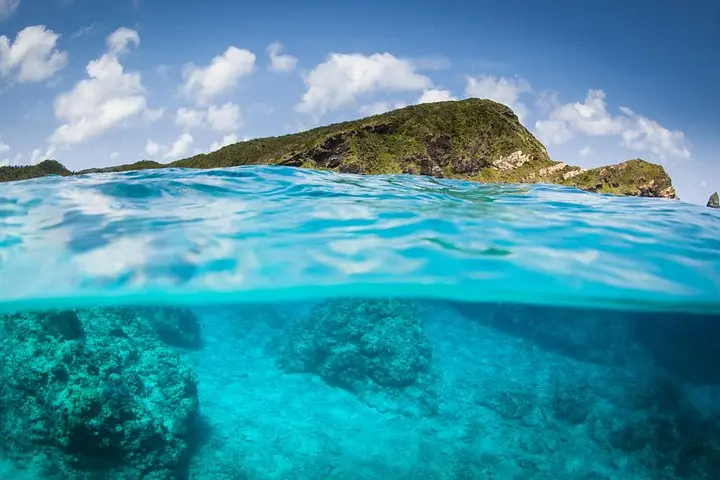
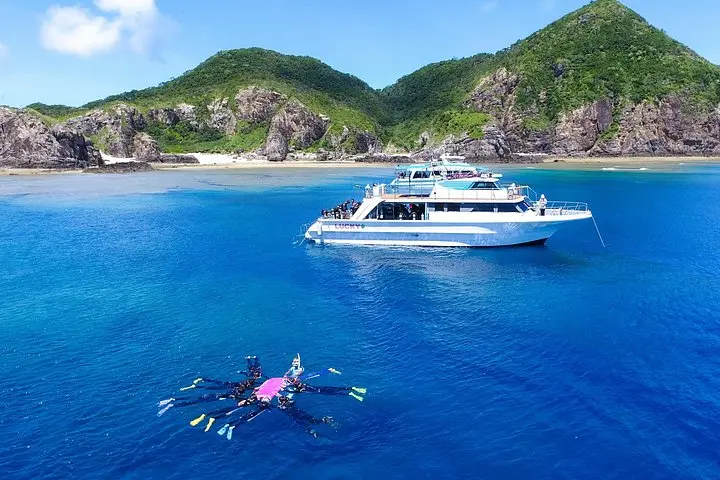
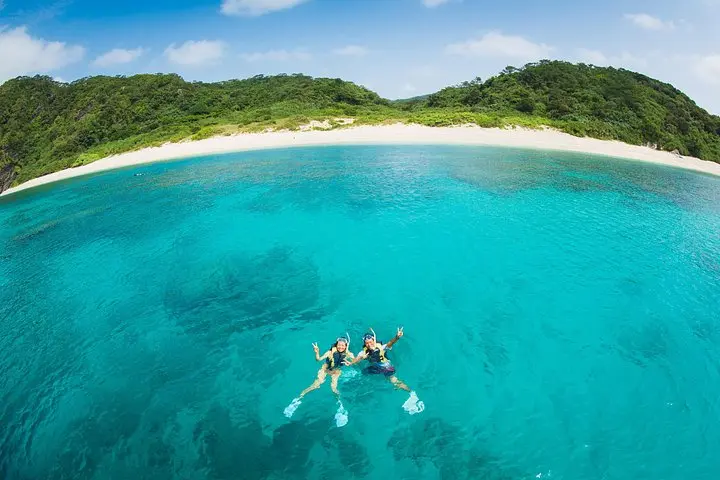
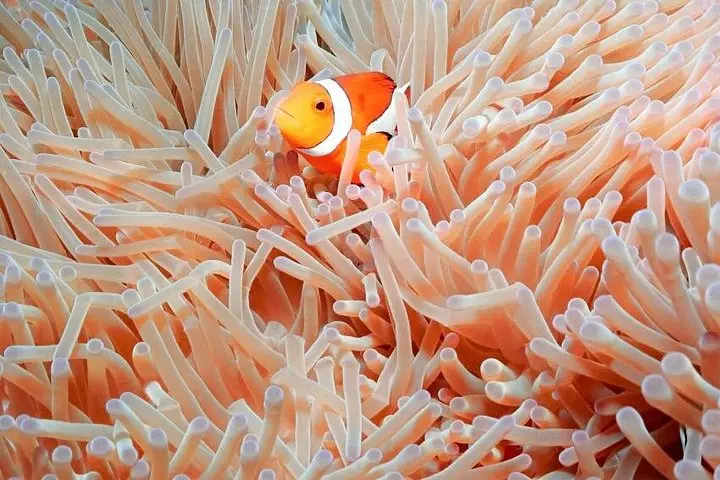
A small cruiser slips away from Naha Harbor and the city fades into a low horizon; the ocean takes over with a color so clear it seems to rearrange the sky. On a full-day Kerama Islands snorkeling trip, travelers move between Tokashiki, Zamami and Aka, stepping into shallow gardens of coral where fish drift like living coins and the current teases you forward.
Verified experiences and guided adventures in the surrounding area.
Operated by マリンハウスシーサー那覇店 · Naha, Okinawa Prefecture
A small cruiser slips away from Naha Harbor and the city fades into a low horizon; the ocean takes over with a color so clear it seems to rearrange the sky. On a full-day Kerama Islands snorkeling trip, travelers move between Tokashiki, Zamami and Aka, stepping into shallow gardens of coral where fish drift like living coins and the current teases you forward.
Geologically, the Kerama group is a scattering of Ryukyuan limestone and volcanic outcrops carved by waves and time; visibility often tops 25 meters, which gave rise to the local nickname “Kerama Blue.” The islands have a layered history—from early Ryukyu fishermen to wartime sites—while present-day communities balance small-scale tourism and traditional fishing. Guides often share local lore about sea turtles and seasonal migrations as they point out reef formations.
Practical guidance is simple and direct: the operator supplies snorkel equipment, lunch, towels and qualified guides, so bring a swimsuit, reef-safe sunscreen and a willingness to get wet. Expect stable cruiser rides but possible chop between islands; staff advise basic swimming ability though beginners are welcome and supported. Timed boat transfers maximize calm-water anchorages and aim to avoid crowds at the best snorkeling spots. Respect marked reef zones, follow guide instructions when approaching wildlife (especially turtles), and pack a dry bag for cameras and motion-sickness remedies.
This is a full but accessible day at sea—an efficient way to see Kerama’s famed water clarity, meet its marine residents, and return to Naha by evening with salt-slick hair and a clear sense of why the islands draw divers and snorkelers from across Japan.
No—this full-day tour accommodates beginners with flotation aids and guided shallow sites, though basic swimming ability is required.
Yes—the tour supplies snorkeling equipment, towels and a boxed lunch; bring personal mask if you prefer your own fit.
Turtles are commonly sighted in Kerama waters but wildlife sightings are not guaranteed; guides know typical habitats and best viewing times.
The operator will cancel in unsafe conditions with full refunds if canceled at least 24 hours before departure; same-day weather cancellations are also possible.
マリンハウスシーサー那覇店 operates guided outdoor trips and adventures with an emphasis on safety, stewardship, and memorable experiences.
A small cruiser slips away from Naha Harbor and the city fades into a low horizon; the ocean takes over with a color so clear it seems to rearrange the sky. On a full-day Kerama Islands snorkeling trip, travelers move between Tokashiki, Zamami and Aka, stepping into shallow gardens of coral where fish drift like living coins and the current teases you forward.
A small cruiser slips away from Naha Harbor and the city fades into a low horizon; the ocean takes over with a color so clear it seems to rearrange the sky. On a full-day Kerama Islands snorkeling trip, travelers move between Tokashiki, Zamami and Aka, stepping into shallow gardens of coral where fish drift like living coins and the current teases you forward.
Geologically, the Kerama group is a scattering of Ryukyuan limestone and volcanic outcrops carved by waves and time; visibility often tops 25 meters, which gave rise to the local nickname “Kerama Blue.” The islands have a layered history—from early Ryukyu fishermen to wartime sites—while present-day communities balance small-scale tourism and traditional fishing. Guides often share local lore about sea turtles and seasonal migrations as they point out reef formations.
Practical guidance is simple and direct: the operator supplies snorkel equipment, lunch, towels and qualified guides, so bring a swimsuit, reef-safe sunscreen and a willingness to get wet. Expect stable cruiser rides but possible chop between islands; staff advise basic swimming ability though beginners are welcome and supported. Timed boat transfers maximize calm-water anchorages and aim to avoid crowds at the best snorkeling spots. Respect marked reef zones, follow guide instructions when approaching wildlife (especially turtles), and pack a dry bag for cameras and motion-sickness remedies.
This is a full but accessible day at sea—an efficient way to see Kerama’s famed water clarity, meet its marine residents, and return to Naha by evening with salt-slick hair and a clear sense of why the islands draw divers and snorkelers from across Japan.