THE ADVENTURE COLLECTIVE® · Independent discovery and booking for outdoor travel

See Holland’s lowlands from water level and wander through Keukenhof’s explosion of color on a flexible day trip from Amsterdam. This combined windmill cruise and garden visit pairs engineering history with floral spectacle—ideal for spring day-trippers.
See Holland’s lowlands from water level and wander through Keukenhof’s explosion of color on a flexible day trip from Amsterdam. This combined windmill cruise and garden visit pairs engineering history with floral spectacle—ideal for spring day-trippers.
A low, glassy canal opens like a mirror as the boat eases away from Warmond’s quay—windmills tilt their sails against a flat horizon and the air carries a sharp, green scent of wet soil and cut tulip stems. On this day trip from Amsterdam, travelers move between two Dutch landscapes: the intimate waterways of the polders and the vast, ordered color fields that feed Keukenhof’s displays.
Verified experiences and guided adventures in the surrounding area.
Operated by Holland Ticket Services · Lisse, South Holland
A low, glassy canal opens like a mirror as the boat eases away from Warmond’s quay—windmills tilt their sails against a flat horizon and the air carries a sharp, green scent of wet soil and cut tulip stems. On this day trip from Amsterdam, travelers move between two Dutch landscapes: the intimate waterways of the polders and the vast, ordered color fields that feed Keukenhof’s displays.
Keukenhof began after World War II to showcase Dutch bulb growers and has grown into a seasonal display of horticultural planning and national pride. Geologically the region is reclaimed land—polders kept dry by dikes and windmills—and that human-shaped terrain both enables and defines the bulb economy. Cultural cues are everywhere: farmhouses with stepped gables, windmill mechanics, and the practical Dutch focus on water management.
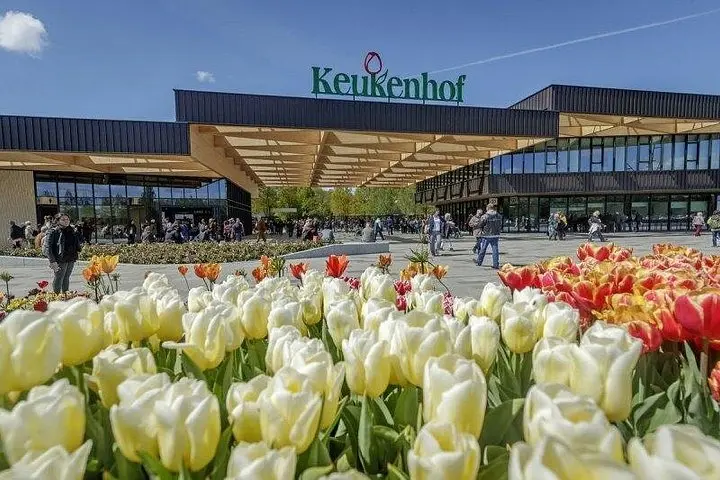
Visitors can expect a gentle 1‑hour cruise through channels five meters below sea level with live commentary explaining drainage, windmill function, and bulb rotations. At Keukenhof, paths wind through themed pavilions and massed bulb plantings—expect crowding on peak bloom days but easy walking on flat, paved routes.
Practical notes: go early for softer light and fewer buses, bring layered rain protection (spring showers are common), and use the provided garden map to prioritize pavilions and quiet corners. Stay on paths to protect bulbs and heed signage around planting beds. Whether aiming for botanical curiosity or simple photogenic moments, this combo trip pairs a tranquil waterway perspective with an up-close lesson in Dutch horticulture and engineering.
The cruise is approximately 60 minutes and includes live commentary in English and Dutch.
Yes—paths at Keukenhof are mostly flat and paved; accessible restrooms and routes are available, but check specific pavilion access in advance.
Peak bloom typically runs from mid-April to early May depending on the season; tulips are usually at their best in that window.
Yes—the tour includes flexible coach return service to Amsterdam up to the last scheduled bus (usually 6:30 PM).
Holland Ticket Services operates guided outdoor trips and adventures with an emphasis on safety, stewardship, and memorable experiences.
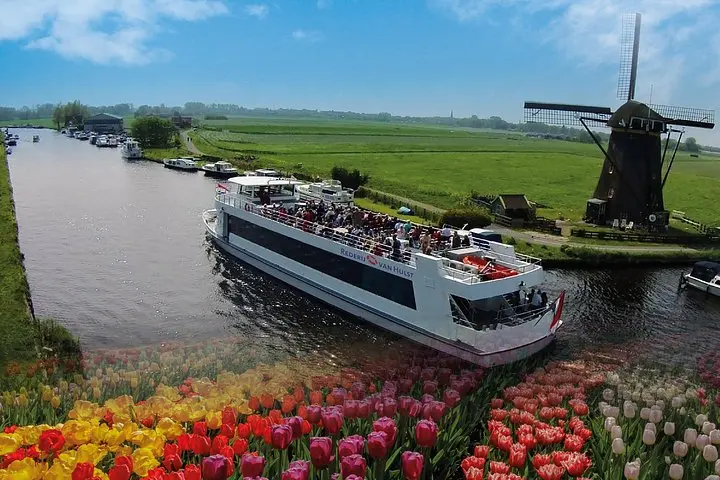
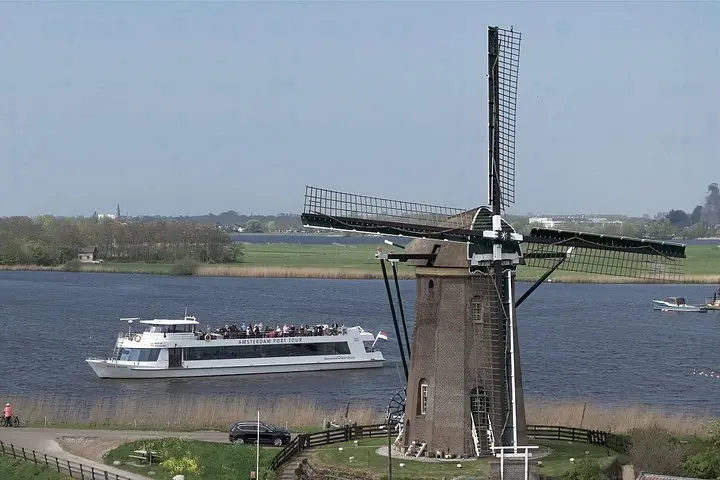
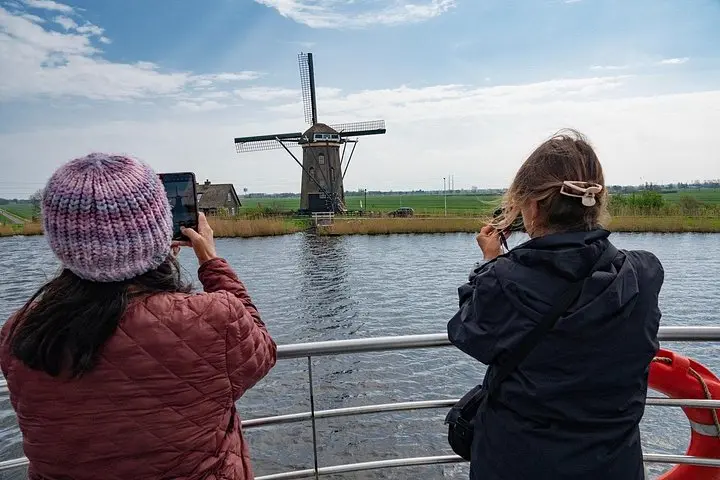
A low, glassy canal opens like a mirror as the boat eases away from Warmond’s quay—windmills tilt their sails against a flat horizon and the air carries a sharp, green scent of wet soil and cut tulip stems. On this day trip from Amsterdam, travelers move between two Dutch landscapes: the intimate waterways of the polders and the vast, ordered color fields that feed Keukenhof’s displays.
A low, glassy canal opens like a mirror as the boat eases away from Warmond’s quay—windmills tilt their sails against a flat horizon and the air carries a sharp, green scent of wet soil and cut tulip stems. On this day trip from Amsterdam, travelers move between two Dutch landscapes: the intimate waterways of the polders and the vast, ordered color fields that feed Keukenhof’s displays.
Keukenhof began after World War II to showcase Dutch bulb growers and has grown into a seasonal display of horticultural planning and national pride. Geologically the region is reclaimed land—polders kept dry by dikes and windmills—and that human-shaped terrain both enables and defines the bulb economy. Cultural cues are everywhere: farmhouses with stepped gables, windmill mechanics, and the practical Dutch focus on water management.
Visitors can expect a gentle 1‑hour cruise through channels five meters below sea level with live commentary explaining drainage, windmill function, and bulb rotations. At Keukenhof, paths wind through themed pavilions and massed bulb plantings—expect crowding on peak bloom days but easy walking on flat, paved routes.
Practical notes: go early for softer light and fewer buses, bring layered rain protection (spring showers are common), and use the provided garden map to prioritize pavilions and quiet corners. Stay on paths to protect bulbs and heed signage around planting beds. Whether aiming for botanical curiosity or simple photogenic moments, this combo trip pairs a tranquil waterway perspective with an up-close lesson in Dutch horticulture and engineering.