THE ADVENTURE COLLECTIVE® · Independent discovery and booking for outdoor travel

Step into 326 acres of curated plant life at Kew Gardens—Victorian glasshouses, canopy walkways and century-old oaks await. Plan for 3–4 hours, note last entry times, and bring layers for changing weather.
Step into 326 acres of curated plant life at Kew Gardens—Victorian glasshouses, canopy walkways and century-old oaks await. Plan for 3–4 hours, note last entry times, and bring layers for changing weather.
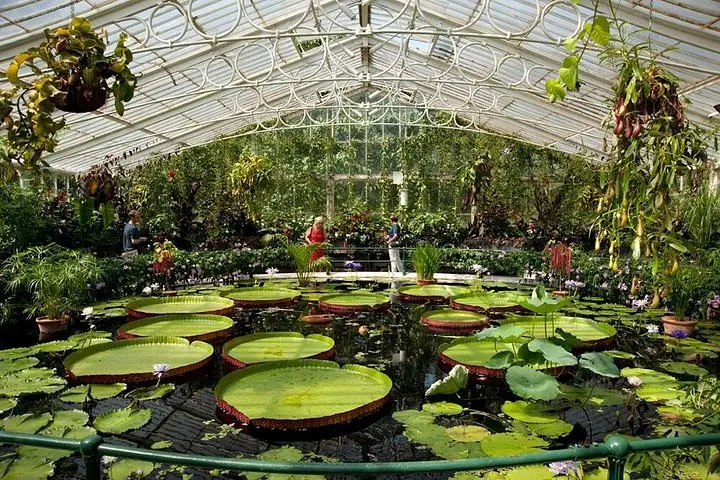
Walk through the main gates and the air changes—damp soil and a faint citrus scent from the glasshouses lead you under vaulted palms and oaks that have been watching the Thames flow by for centuries.
Verified experiences and guided adventures in the surrounding area.
Operated by Royal Botanic Gardens, Kew · London, Greater London
Walk through the main gates and the air changes—damp soil and a faint citrus scent from the glasshouses lead you under vaulted palms and oaks that have been watching the Thames flow by for centuries.
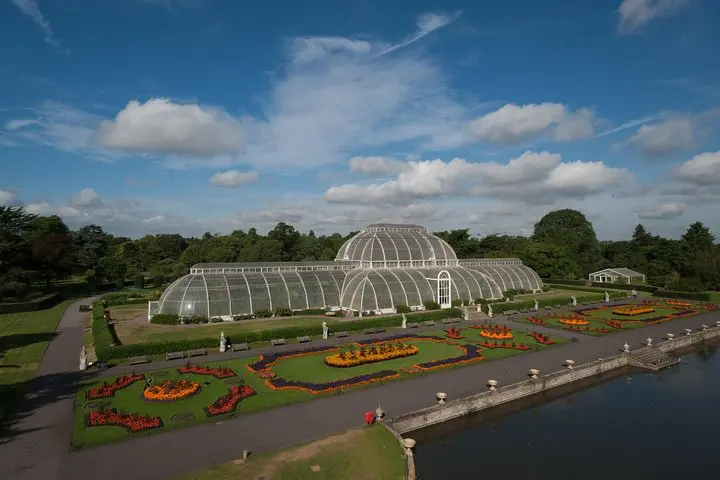
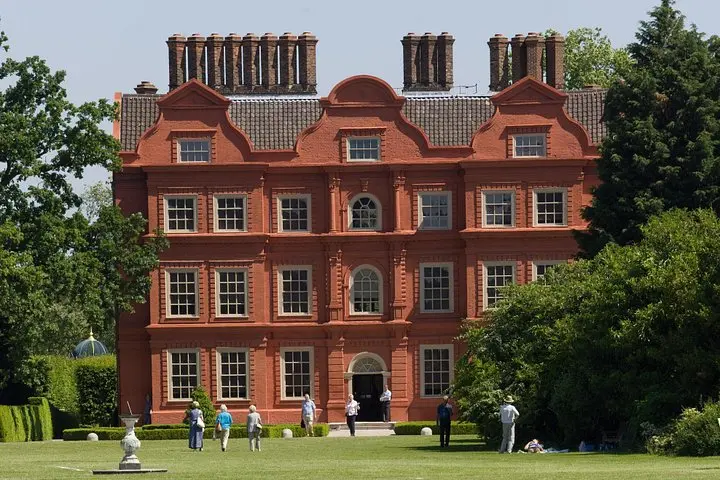
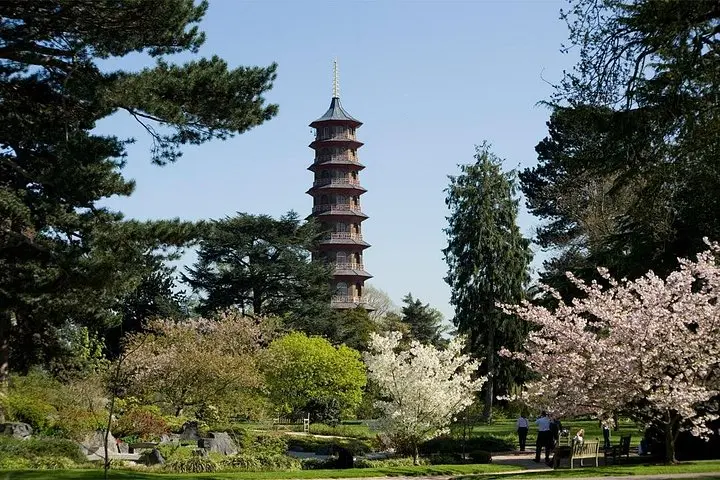
The Royal Botanic Gardens, Kew covers 326 acres and presents one of the world’s most important living plant collections. Its current layout evolved in the 18th and 19th centuries as royal gardens and a scientific institution; the Temperate House is the largest surviving Victorian glasshouse and the 10-storey Great Pagoda recalls an era of botanical collecting and display. Geologically flat river terrace soils support long avenues of oaks and holly, while curated beds gather plants from Mediterranean, tropical and temperate zones.
Culture here mixes Victorian science, modern conservation and London leisure—families picnicking beneath veteran trees, researchers at work in seed banks and daily guided walks that point out sculptures and colonial-era plant introductions.
For visitors: allow 3–4 hours to move at a relaxed pace. Last entry is 14:30; gardens close mid-afternoon. Start at the Temperate House or the Palm House on damp mornings when tropical species feel most vivid, then take the Xstrata Treetop Walkway for canopy-level views and birdwatching. Bring a refillable bottle—tap points are available—and wear waterproof layers; weather in southwest London changes quickly and the trees will feel the wind as if it’s trying to push you forward.
Accessibility is good: paths are mostly firm and wheelchair-friendly, with cafés and toilets positioned across the site. The ticket grants free entry for the booked session—book in advance for weekends and school holidays to avoid queues.
Kew Gardens typically closes mid-afternoon with last entry at 14:30 and gates closing around 15:15—always check the date-specific hours before you go.
Yes; paths are largely firm and wheelchair-accessible, with accessible toilets and step-free routes to major attractions—check the accessibility map for details.
Yes; there are leafy picnic areas and four cafés on site—food is available for purchase but you may bring your own picnic to enjoy in designated spaces.
Prebooking is recommended, especially on weekends and school holidays, as entry is limited by session; mobile tickets are accepted.
Royal Botanic Gardens, Kew operates guided outdoor trips and adventures with an emphasis on safety, stewardship, and memorable experiences.
Walk through the main gates and the air changes—damp soil and a faint citrus scent from the glasshouses lead you under vaulted palms and oaks that have been watching the Thames flow by for centuries.
Walk through the main gates and the air changes—damp soil and a faint citrus scent from the glasshouses lead you under vaulted palms and oaks that have been watching the Thames flow by for centuries.
The Royal Botanic Gardens, Kew covers 326 acres and presents one of the world’s most important living plant collections. Its current layout evolved in the 18th and 19th centuries as royal gardens and a scientific institution; the Temperate House is the largest surviving Victorian glasshouse and the 10-storey Great Pagoda recalls an era of botanical collecting and display. Geologically flat river terrace soils support long avenues of oaks and holly, while curated beds gather plants from Mediterranean, tropical and temperate zones.
Culture here mixes Victorian science, modern conservation and London leisure—families picnicking beneath veteran trees, researchers at work in seed banks and daily guided walks that point out sculptures and colonial-era plant introductions.
For visitors: allow 3–4 hours to move at a relaxed pace. Last entry is 14:30; gardens close mid-afternoon. Start at the Temperate House or the Palm House on damp mornings when tropical species feel most vivid, then take the Xstrata Treetop Walkway for canopy-level views and birdwatching. Bring a refillable bottle—tap points are available—and wear waterproof layers; weather in southwest London changes quickly and the trees will feel the wind as if it’s trying to push you forward.
Accessibility is good: paths are mostly firm and wheelchair-friendly, with cafés and toilets positioned across the site. The ticket grants free entry for the booked session—book in advance for weekends and school holidays to avoid queues.