THE ADVENTURE COLLECTIVE® · Independent discovery and booking for outdoor travel

A short, family-oriented snorkel aboard the Sundiver III explores the shallow coral reefs of the Florida Keys National Marine Sanctuary. Masks, fins and safety vests are included—bring or buy a snorkel and plan to check in one hour early.
A short, family-oriented snorkel aboard the Sundiver III explores the shallow coral reefs of the Florida Keys National Marine Sanctuary. Masks, fins and safety vests are included—bring or buy a snorkel and plan to check in one hour early.
The boat eases away from a low, bright shoreline and the Atlantic opens like a page you can read. On the Sundiver III, families arrange themselves along the rail, fins in laps, float vests waiting, and the crew runs a quick safety briefing—clear, efficient, reassuring. The water ahead is shallow and restless with color; the coral gardens of the Florida Keys National Marine Sanctuary are not a hidden secret here but a living stage where parrotfish graze and small rays thread the sand.
Verified experiences and guided adventures in the surrounding area.
Operated by Sundiver Snorkel Tours · Key Largo, Florida
The boat eases away from a low, bright shoreline and the Atlantic opens like a page you can read. On the Sundiver III, families arrange themselves along the rail, fins in laps, float vests waiting, and the crew runs a quick safety briefing—clear, efficient, reassuring. The water ahead is shallow and restless with color; the coral gardens of the Florida Keys National Marine Sanctuary are not a hidden secret here but a living stage where parrotfish graze and small rays thread the sand.
Key Largo’s reef system carries a history you can see: the limestone backbone of the Florida Keys was forged from ancient coral and sea level shifts, then slowly sculpted by currents into ledges and patch reefs. John Pennekamp State Park—the first undersea park in the U.S.—helped codify the idea that reefs are public resources, worth protecting and studying. That legacy shows up in mooring buoys, marked channels, and a local culture that treats reef etiquette as basic courtesy.
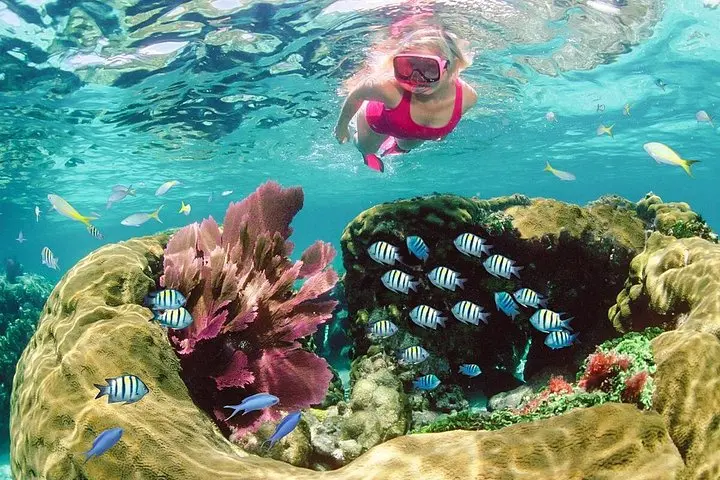
Geology gives the reef its form; ecology gives it voice. Corals fan and boulder like architectural ruins, and schools of wrasse and angelfish dart as if a current is whispering directions. Above water, the low-key island town of Key Largo still feels practical—bait shops, dive centers, and family-run cafés supplying sandwiches to share on the boat.
For visitors, Sundiver’s 2.5-hour trip is built for curiosity rather than endurance. It’s ideal for first-timers and kids: masks, fins, and flotation vests are included, though snorkels are sold at check-in (you may bring your own). Check-in is strictly one hour before departure at the Sundiver Station on Overseas Highway; there are no refunds for missed boats. Participants must know how to swim—non-swimmers can remain aboard and enjoy the ride.
Practical notes: morning departures usually mean calmer seas and clearer visibility; always slather on reef-safe sunscreen and stay hydrated. Wear a rashguard or wetsuit top if you’re sun-sensitive; water shoes help on slippery docks. Respect the reef—do not touch or stand on coral, and follow crew instructions about where to enter and exit the water.
What you’ll leave with is straightforward: 90 minutes of shallow-reef snorkeling among accessible coral patches, up-close views of tropical fish and occasional sea turtles, and a sense of how fragile these shallow ecosystems are. For families and first-timers who want an efficient, education-forward introduction to Key Largo’s underwater world, Sundiver’s tour is a clear, well-run way to put your face in the water and watch the reef do what reefs do—move, feed, and dare you to pay attention.
Yes—everyone who enters the water must be able to swim; non-swimmers are welcome to stay aboard the boat.
Masks, fins and flotation vests are included; snorkels are not included but can be purchased at check-in or brought from home.
The trip lasts about 2.5 hours; you must check in at least one hour before the scheduled start time.
Yes—the crew specializes in families and first-time snorkelers; children should be comfortable in the water and may use floatation vests.
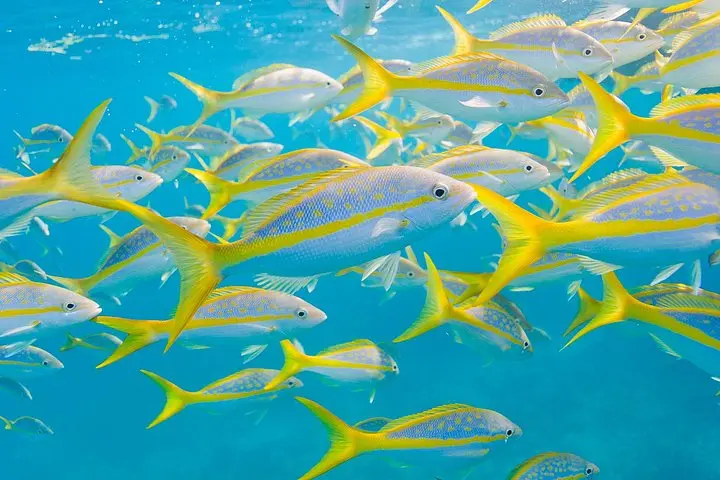
Expect reef fish such as parrotfish, wrasse, and tangs; sea turtles and nurse sharks are occasional visitors but not guaranteed.
For a full refund cancel at least 24 hours before departure; tours may be canceled for bad weather or insufficient travelers.
Sundiver Snorkel Tours operates guided outdoor trips and adventures with an emphasis on safety, stewardship, and memorable experiences.
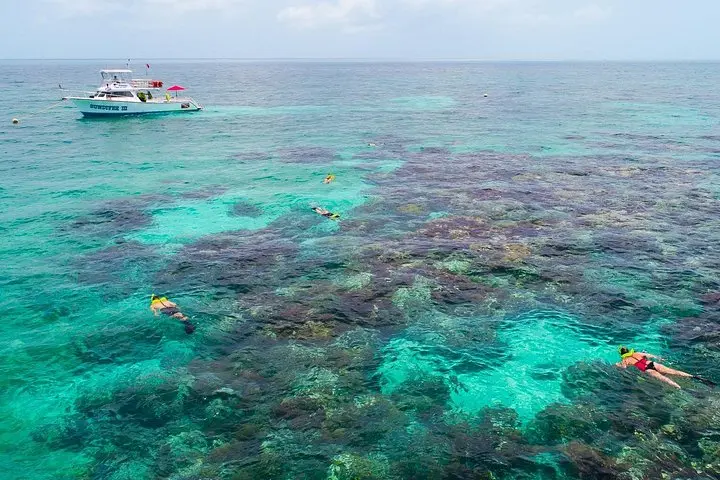
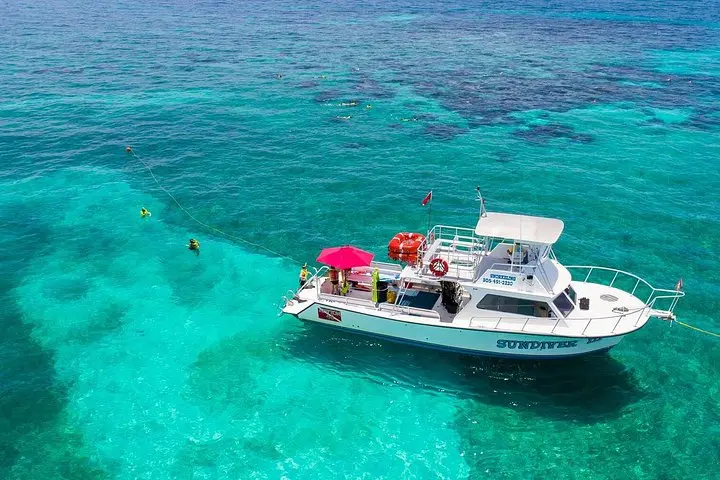
The boat eases away from a low, bright shoreline and the Atlantic opens like a page you can read. On the Sundiver III, families arrange themselves along the rail, fins in laps, float vests waiting, and the crew runs a quick safety briefing—clear, efficient, reassuring. The water ahead is shallow and restless with color; the coral gardens of the Florida Keys National Marine Sanctuary are not a hidden secret here but a living stage where parrotfish graze and small rays thread the sand.
The boat eases away from a low, bright shoreline and the Atlantic opens like a page you can read. On the Sundiver III, families arrange themselves along the rail, fins in laps, float vests waiting, and the crew runs a quick safety briefing—clear, efficient, reassuring. The water ahead is shallow and restless with color; the coral gardens of the Florida Keys National Marine Sanctuary are not a hidden secret here but a living stage where parrotfish graze and small rays thread the sand.
Key Largo’s reef system carries a history you can see: the limestone backbone of the Florida Keys was forged from ancient coral and sea level shifts, then slowly sculpted by currents into ledges and patch reefs. John Pennekamp State Park—the first undersea park in the U.S.—helped codify the idea that reefs are public resources, worth protecting and studying. That legacy shows up in mooring buoys, marked channels, and a local culture that treats reef etiquette as basic courtesy.
Geology gives the reef its form; ecology gives it voice. Corals fan and boulder like architectural ruins, and schools of wrasse and angelfish dart as if a current is whispering directions. Above water, the low-key island town of Key Largo still feels practical—bait shops, dive centers, and family-run cafés supplying sandwiches to share on the boat.
For visitors, Sundiver’s 2.5-hour trip is built for curiosity rather than endurance. It’s ideal for first-timers and kids: masks, fins, and flotation vests are included, though snorkels are sold at check-in (you may bring your own). Check-in is strictly one hour before departure at the Sundiver Station on Overseas Highway; there are no refunds for missed boats. Participants must know how to swim—non-swimmers can remain aboard and enjoy the ride.
Practical notes: morning departures usually mean calmer seas and clearer visibility; always slather on reef-safe sunscreen and stay hydrated. Wear a rashguard or wetsuit top if you’re sun-sensitive; water shoes help on slippery docks. Respect the reef—do not touch or stand on coral, and follow crew instructions about where to enter and exit the water.
What you’ll leave with is straightforward: 90 minutes of shallow-reef snorkeling among accessible coral patches, up-close views of tropical fish and occasional sea turtles, and a sense of how fragile these shallow ecosystems are. For families and first-timers who want an efficient, education-forward introduction to Key Largo’s underwater world, Sundiver’s tour is a clear, well-run way to put your face in the water and watch the reef do what reefs do—move, feed, and dare you to pay attention.