THE ADVENTURE COLLECTIVE® · Independent discovery and booking for outdoor travel

A half‑day to full‑day car tour that pairs the engineered calm of Khadakwasla and Panshet dams with the basalt ramparts and Maratha history of Sinhagad Fort. Expect short hikes, birding windows, and a fire‑cooked local lunch.
A half‑day to full‑day car tour that pairs the engineered calm of Khadakwasla and Panshet dams with the basalt ramparts and Maratha history of Sinhagad Fort. Expect short hikes, birding windows, and a fire‑cooked local lunch.
You step out of the car into the cool, pre-dawn light at Khadakwasla. The dam’s concrete lip throws a straight, pragmatic edge against a slow-moving lake; gulls wheel and a river of commuters—farmers, morning walkers—threads the road below. The tour moves from this engineered quiet to the stone-boned spine of Sinhagad Fort, where a short 1–2 km climb rewards you with wind-scrubbed views of Pune spreading like a map.
Verified experiences and guided adventures in the surrounding area.
Operated by CityZest · Pune, Maharashtra
You step out of the car into the cool, pre-dawn light at Khadakwasla. The dam’s concrete lip throws a straight, pragmatic edge against a slow-moving lake; gulls wheel and a river of commuters—farmers, morning walkers—threads the road below. The tour moves from this engineered quiet to the stone-boned spine of Sinhagad Fort, where a short 1–2 km climb rewards you with wind-scrubbed views of Pune spreading like a map.
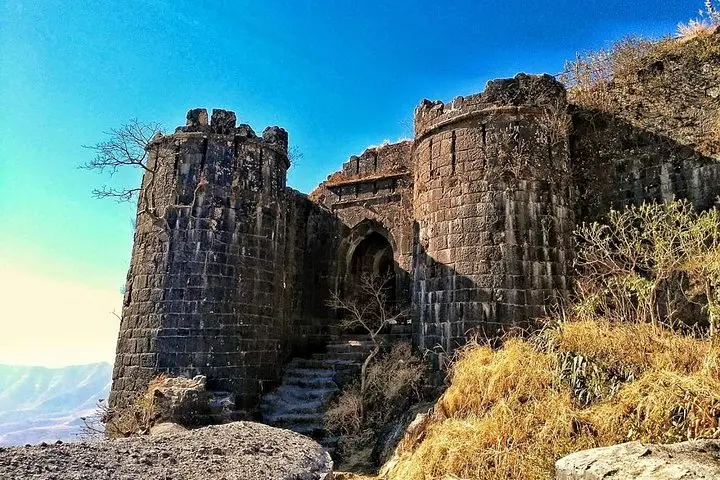
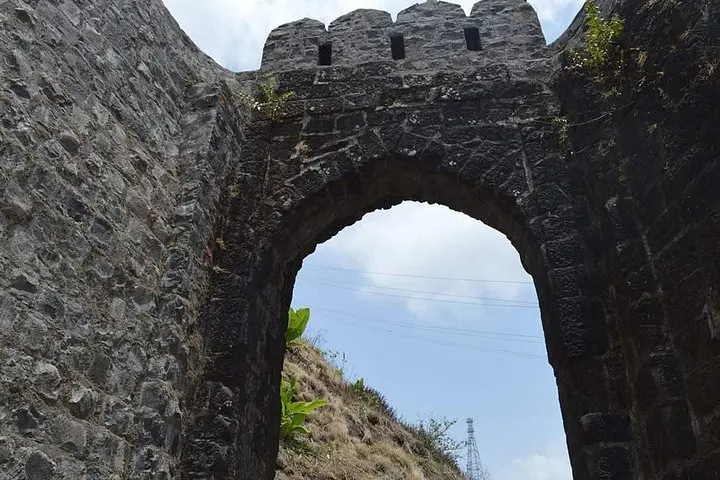
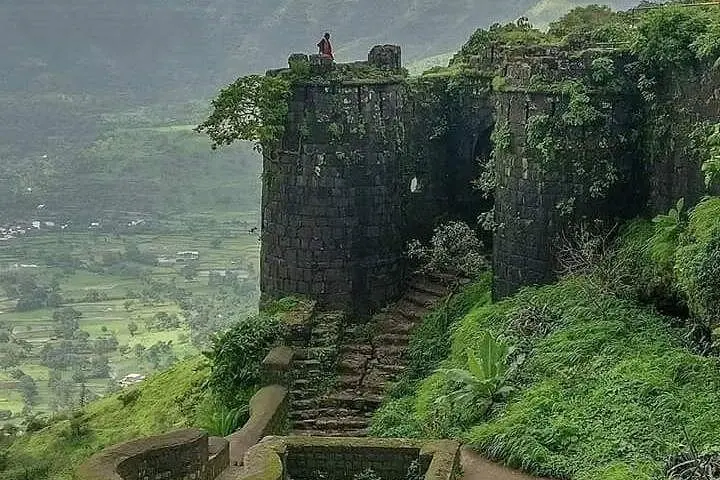
Sinhagad’s ramparts belong to the Maratha story: a place of sieges, the famed 17th-century charge led by Tanaji Malusare, and stepped water tanks carved for dry seasons. Geologically the ridge is basalt, leftover from the Deccan Traps, weathered into steep faces and shallow soils that feed scrub and hardy trees. Panshet and Khadakwasla dams together form working watersheds for Pune; Panshet’s shallows attract seasonal migratory birds and photographers chasing reflections.
Culturally expect roadside tea stalls serving khichdi and the smoky aroma of fire-cooked meals near the fort—simple, sustaining food that matches the landscape’s economy. Guides often weave local lore with straightforward logistics: parking, a short climb, and a picnic lunch included.
Practical guidance: wear grippy shoes for uneven basalt paths, carry 1–2 liters of water, and plan morning visits in winter or monsoon shoulder months for best light and bird activity. Photography is rewarding but watch the edges: fort parapets are low in places. This day tour pairs light hiking, history, and seasonal birding into a compact, accessible escape from Pune.
Expect a 1–2 km walk up from the parking area; the climb is short but uneven and may take 30–60 minutes depending on pace.
This tour typically includes parking and admissions noted by the operator; confirm inclusion at booking for any specific fort fees.
Yes for those with moderate mobility; vehicle access reduces walking time, but steps and narrow paths at the fort can be challenging for some.
Seasonal waterbirds and common wetland species are typical; sightings vary by season and water levels.
CityZest operates guided outdoor trips and adventures with an emphasis on safety, stewardship, and memorable experiences.
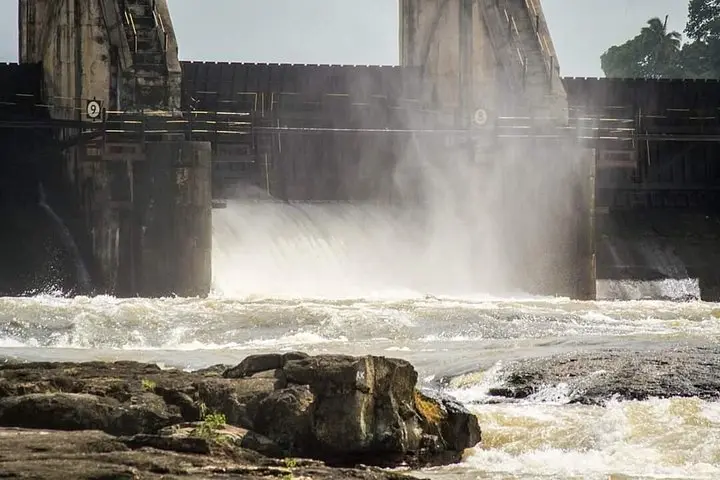
You step out of the car into the cool, pre-dawn light at Khadakwasla. The dam’s concrete lip throws a straight, pragmatic edge against a slow-moving lake; gulls wheel and a river of commuters—farmers, morning walkers—threads the road below. The tour moves from this engineered quiet to the stone-boned spine of Sinhagad Fort, where a short 1–2 km climb rewards you with wind-scrubbed views of Pune spreading like a map.
You step out of the car into the cool, pre-dawn light at Khadakwasla. The dam’s concrete lip throws a straight, pragmatic edge against a slow-moving lake; gulls wheel and a river of commuters—farmers, morning walkers—threads the road below. The tour moves from this engineered quiet to the stone-boned spine of Sinhagad Fort, where a short 1–2 km climb rewards you with wind-scrubbed views of Pune spreading like a map.
Sinhagad’s ramparts belong to the Maratha story: a place of sieges, the famed 17th-century charge led by Tanaji Malusare, and stepped water tanks carved for dry seasons. Geologically the ridge is basalt, leftover from the Deccan Traps, weathered into steep faces and shallow soils that feed scrub and hardy trees. Panshet and Khadakwasla dams together form working watersheds for Pune; Panshet’s shallows attract seasonal migratory birds and photographers chasing reflections.
Culturally expect roadside tea stalls serving khichdi and the smoky aroma of fire-cooked meals near the fort—simple, sustaining food that matches the landscape’s economy. Guides often weave local lore with straightforward logistics: parking, a short climb, and a picnic lunch included.
Practical guidance: wear grippy shoes for uneven basalt paths, carry 1–2 liters of water, and plan morning visits in winter or monsoon shoulder months for best light and bird activity. Photography is rewarding but watch the edges: fort parapets are low in places. This day tour pairs light hiking, history, and seasonal birding into a compact, accessible escape from Pune.