THE ADVENTURE COLLECTIVE® · Independent discovery and booking for outdoor travel

Explore Khajuraho’s UNESCO temples on a private day trip from Jhansi—an air‑conditioned drive delivers you to intricately carved sandstone shrines, quiet Jain temples, and lively local markets. This curated tour pairs expert storytelling with practical logistics for a full day of cultural discovery.
Explore Khajuraho’s UNESCO temples on a private day trip from Jhansi—an air‑conditioned drive delivers you to intricately carved sandstone shrines, quiet Jain temples, and lively local markets. This curated tour pairs expert storytelling with practical logistics for a full day of cultural discovery.
You arrive before the heat, stepping from an air‑conditioned car onto sunbaked stone and a courtyard ringed with sculpted figures that seem to hold their breath. The Western Group of Temples rises in layered sandstone—Kandariya Mahadeva’s towers carving a jagged skyline—while the quieter Eastern Group and nearby Jain temples answer with precise, still carvings.
Verified experiences and guided adventures in the surrounding area.
Operated by Yo Tours Goa · Khajuraho, Madhya Pradesh
You arrive before the heat, stepping from an air‑conditioned car onto sunbaked stone and a courtyard ringed with sculpted figures that seem to hold their breath. The Western Group of Temples rises in layered sandstone—Kandariya Mahadeva’s towers carving a jagged skyline—while the quieter Eastern Group and nearby Jain temples answer with precise, still carvings.
Khajuraho sits on the Malwa plateau at roughly 269 m elevation where Bundelkhand’s sedimentary stone allowed medieval craftsmen to chisel human dramas into temple walls between the 9th and 12th centuries. The complex is a UNESCO World Heritage Site; its clusters (Western, Eastern, Southern) lie within a few kilometers of each other, so most walking is short but on uneven flagstone and compacted earth.
Local life centers on small bazaars and dhabas where spicy snacks and sweet jalebi offer fast, flavorful fuel between temple stops. Guides here combine archaeology, iconography and local lore—ask about the Kandariya Mahadeva, Lakshmana Temple and the Jain Parsvanath shrines for context on religious shifts and regional patronage.
Practicalities: expect a 3.5–4 hour road transfer from Jhansi (≈180 km) each way if your tour begins there; the site visit itself can be 2–4 hours depending on pace. Carry water, sun protection and modest clothing for temple entry; there are nominal entry and camera fees at the site. Plan mornings or late afternoons to avoid mid‑day heat and the busiest visitor windows. A private guide and A/C vehicle make a long day comfortable and let you focus on the sculptures, not logistics.
The road distance is roughly 170–190 km; expect about 3.5–4 hours each way depending on traffic and road conditions.
Most private tours do not include government entry or camera fees—bring small cash for tickets and any photography permits.
Yes—walking is moderate and the route is flexible; bring shade and water and adjust the pace to match your group.
Photography is generally allowed in external areas; follow guide instructions and on‑site rules as some interiors or rituals may restrict cameras.
Yo Tours Goa operates guided outdoor trips and adventures with an emphasis on safety, stewardship, and memorable experiences.
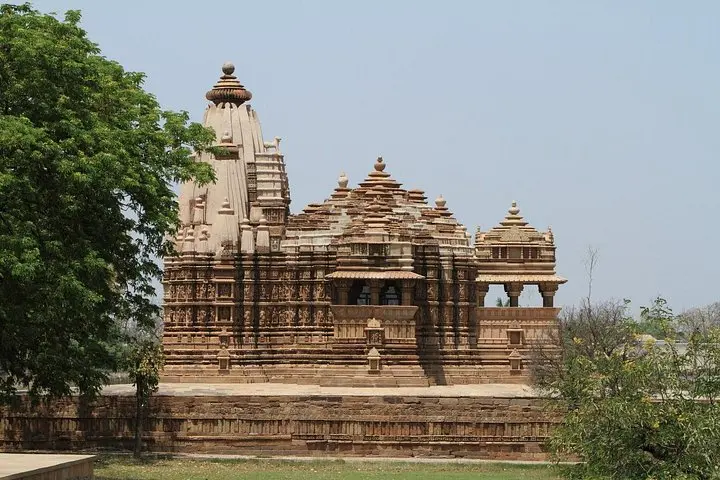
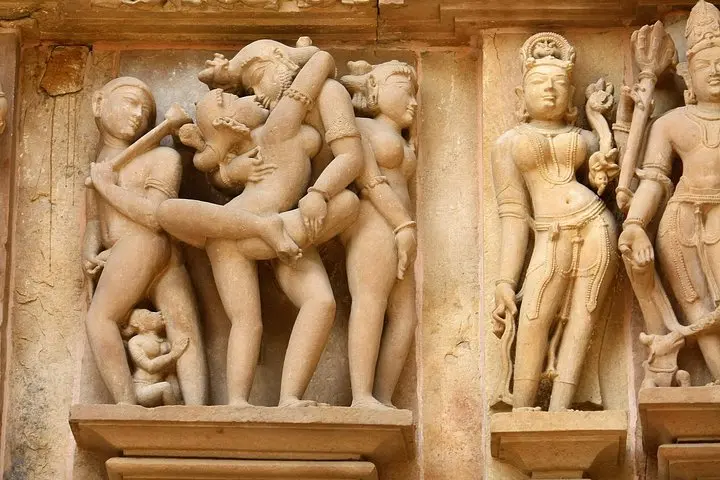
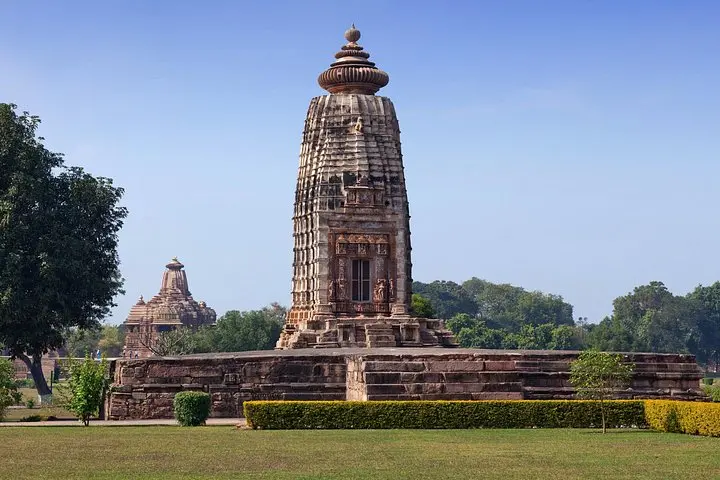
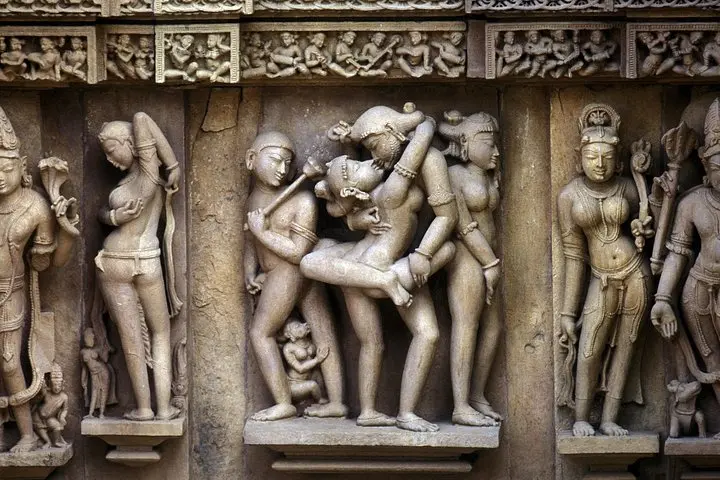
You arrive before the heat, stepping from an air‑conditioned car onto sunbaked stone and a courtyard ringed with sculpted figures that seem to hold their breath. The Western Group of Temples rises in layered sandstone—Kandariya Mahadeva’s towers carving a jagged skyline—while the quieter Eastern Group and nearby Jain temples answer with precise, still carvings.
You arrive before the heat, stepping from an air‑conditioned car onto sunbaked stone and a courtyard ringed with sculpted figures that seem to hold their breath. The Western Group of Temples rises in layered sandstone—Kandariya Mahadeva’s towers carving a jagged skyline—while the quieter Eastern Group and nearby Jain temples answer with precise, still carvings.
Khajuraho sits on the Malwa plateau at roughly 269 m elevation where Bundelkhand’s sedimentary stone allowed medieval craftsmen to chisel human dramas into temple walls between the 9th and 12th centuries. The complex is a UNESCO World Heritage Site; its clusters (Western, Eastern, Southern) lie within a few kilometers of each other, so most walking is short but on uneven flagstone and compacted earth.
Local life centers on small bazaars and dhabas where spicy snacks and sweet jalebi offer fast, flavorful fuel between temple stops. Guides here combine archaeology, iconography and local lore—ask about the Kandariya Mahadeva, Lakshmana Temple and the Jain Parsvanath shrines for context on religious shifts and regional patronage.
Practicalities: expect a 3.5–4 hour road transfer from Jhansi (≈180 km) each way if your tour begins there; the site visit itself can be 2–4 hours depending on pace. Carry water, sun protection and modest clothing for temple entry; there are nominal entry and camera fees at the site. Plan mornings or late afternoons to avoid mid‑day heat and the busiest visitor windows. A private guide and A/C vehicle make a long day comfortable and let you focus on the sculptures, not logistics.