THE ADVENTURE COLLECTIVE® · Independent discovery and booking for outdoor travel

Walk terraces of dry-stone walls and platforms on a guided Khami Ruins tour near Bulawayo. Learn about the Torwa Dynasty, peer at Tsoro boards carved into rock, and finish with sunset drinks on the King’s Residence.
Walk terraces of dry-stone walls and platforms on a guided Khami Ruins tour near Bulawayo. Learn about the Torwa Dynasty, peer at Tsoro boards carved into rock, and finish with sunset drinks on the King’s Residence.
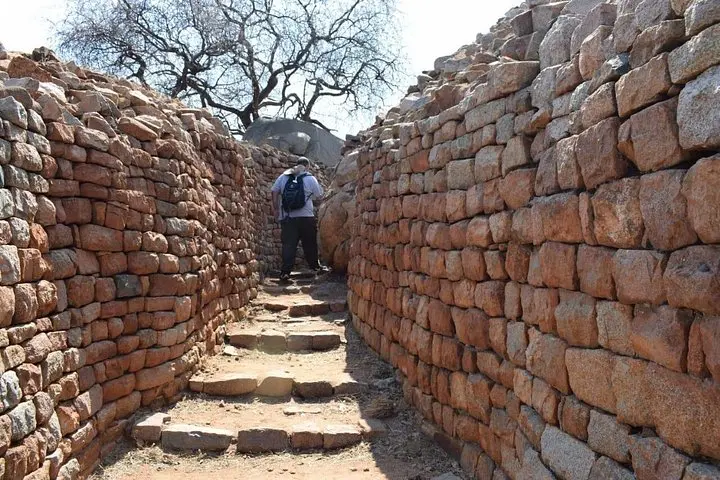
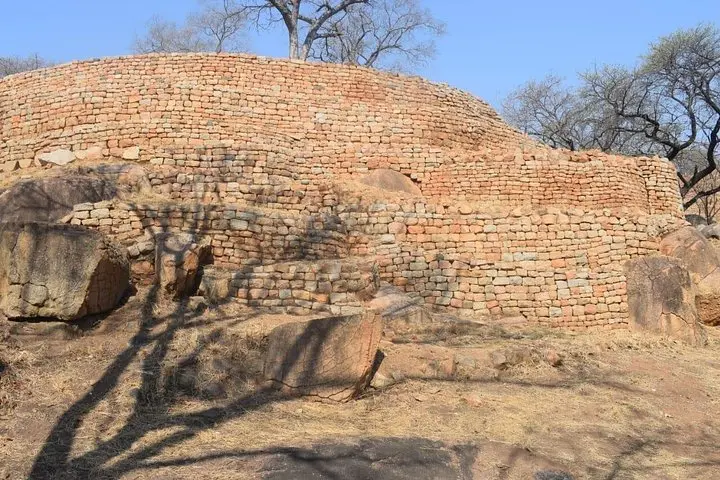
Morning light strips the scrub into sharp relief as you step through the low gate and onto terraces of cut stone—Khami’s platforms rise like an ordered ruin, each wall telling how an empire arranged power into shape.
Verified experiences and guided adventures in the surrounding area.
Operated by Bushmen Travel Company · Bulawayo, Matabeleland North
Morning light strips the scrub into sharp relief as you step through the low gate and onto terraces of cut stone—Khami’s platforms rise like an ordered ruin, each wall telling how an empire arranged power into shape.
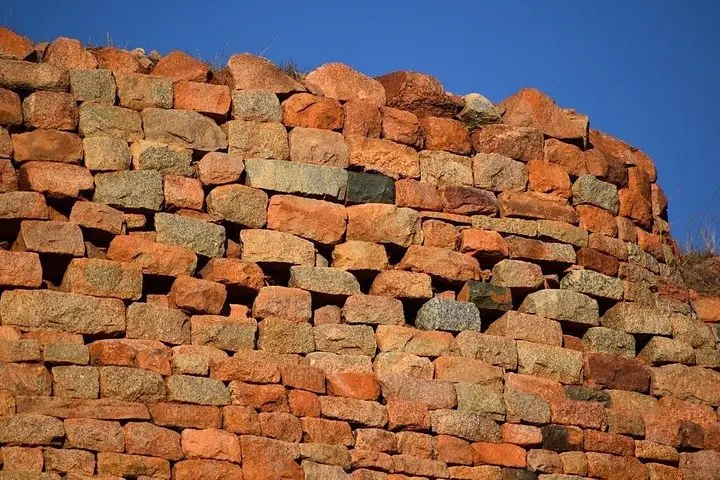
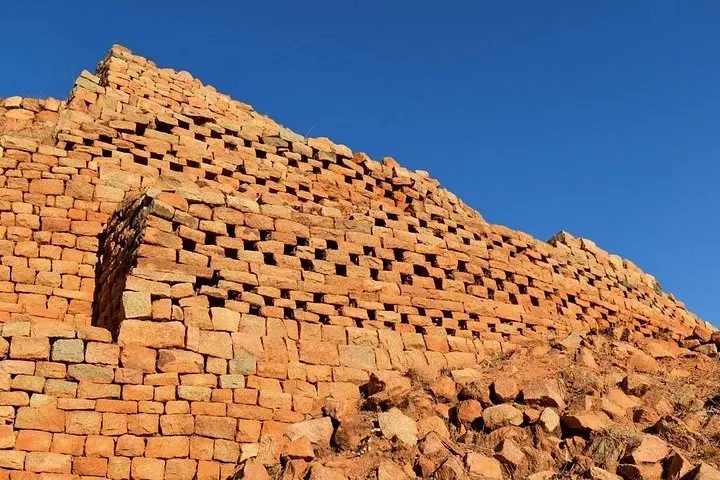
This guided Khami Ruins tour moves from the small on-site museum into the heart of a 15th–17th century capital built by the Kalanga and Torwa dynasties. The stonework—dry-laid blocks without mortar—forms retaining walls, checkerboard facades and platforms where kings lived, rituals were taught and children played Tsoro on carved boards. The Passage Platform reads as an ancient classroom; the Monolith and Northern Platforms reveal early excavations and design experiments that mirror regional stone masonry traditions that followed Great Zimbabwe.
Geology here is plain but decisive: local granite and schist were quarried, dressed and stacked into walls that resist erosion; the Khami River carved the valley below, concentrating settlement on higher terraces. Culturally, the site remains meaningful for local communities and interprets gendered rites of passage alongside the political life of the Torwa court.
Practicalities: expect a 5-hour outing with walkable, uneven paths and short steeper climbs between platforms. Wear sturdy shoes, sun protection and bring water—the tour includes bottled water, snacks and museum admission. The guide will handle logistics and pick-up/drop-off; plan to finish with sunset views and light refreshments atop the King’s Residence for the best perspective on the site’s layout. Photographs are often included digitally.
This is a low-impact, low-strain archaeological experience that rewards curiosity, good footing and respect for a living cultural landscape.
The experience runs about 5 hours total, including museum time, guided walks around the platforms, and sunset drinks at the King’s Residence.
Yes—routes are mostly flat or gently terraced and the tour is classified as physically easy, but uneven surfaces may require assistance for limited-mobility guests.
Admission fees, pick-up and drop-off, bottled water, snacks and a guide are included per the tour listing.
Photography is allowed; the tour usually provides complimentary digital photos and your guide can advise on culturally sensitive areas to avoid photographing.
Bushmen Travel Company operates guided outdoor trips and adventures with an emphasis on safety, stewardship, and memorable experiences.
Morning light strips the scrub into sharp relief as you step through the low gate and onto terraces of cut stone—Khami’s platforms rise like an ordered ruin, each wall telling how an empire arranged power into shape.
Morning light strips the scrub into sharp relief as you step through the low gate and onto terraces of cut stone—Khami’s platforms rise like an ordered ruin, each wall telling how an empire arranged power into shape.
This guided Khami Ruins tour moves from the small on-site museum into the heart of a 15th–17th century capital built by the Kalanga and Torwa dynasties. The stonework—dry-laid blocks without mortar—forms retaining walls, checkerboard facades and platforms where kings lived, rituals were taught and children played Tsoro on carved boards. The Passage Platform reads as an ancient classroom; the Monolith and Northern Platforms reveal early excavations and design experiments that mirror regional stone masonry traditions that followed Great Zimbabwe.
Geology here is plain but decisive: local granite and schist were quarried, dressed and stacked into walls that resist erosion; the Khami River carved the valley below, concentrating settlement on higher terraces. Culturally, the site remains meaningful for local communities and interprets gendered rites of passage alongside the political life of the Torwa court.
Practicalities: expect a 5-hour outing with walkable, uneven paths and short steeper climbs between platforms. Wear sturdy shoes, sun protection and bring water—the tour includes bottled water, snacks and museum admission. The guide will handle logistics and pick-up/drop-off; plan to finish with sunset views and light refreshments atop the King’s Residence for the best perspective on the site’s layout. Photographs are often included digitally.
This is a low-impact, low-strain archaeological experience that rewards curiosity, good footing and respect for a living cultural landscape.