THE ADVENTURE COLLECTIVE® · Independent discovery and booking for outdoor travel

Spend a lively three hours navigating Cairo’s downtown markets and the medieval lanes of Khan el Khalili with a private guide. Expect hands-on bargaining, traditional crafts, and a curated route past historic gates and mosques.
Spend a lively three hours navigating Cairo’s downtown markets and the medieval lanes of Khan el Khalili with a private guide. Expect hands-on bargaining, traditional crafts, and a curated route past historic gates and mosques.
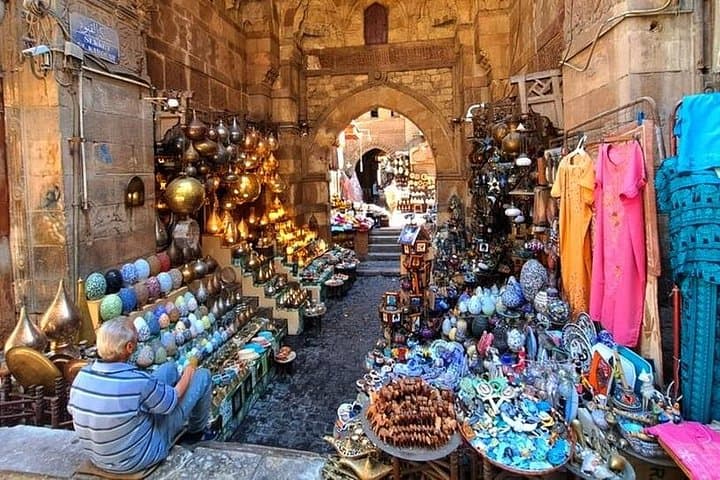
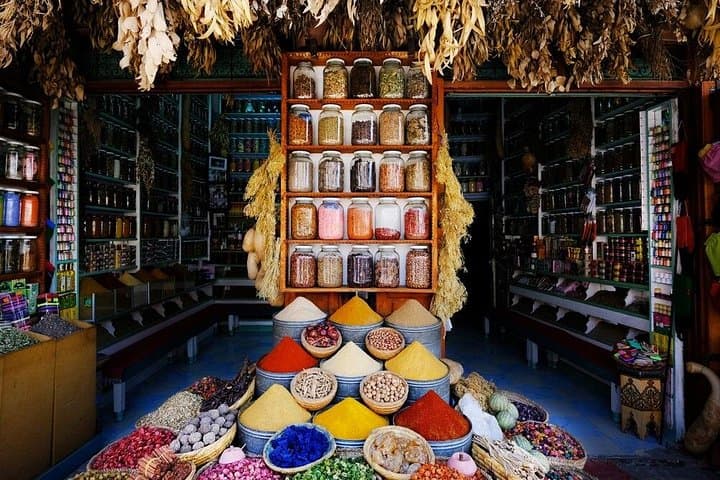
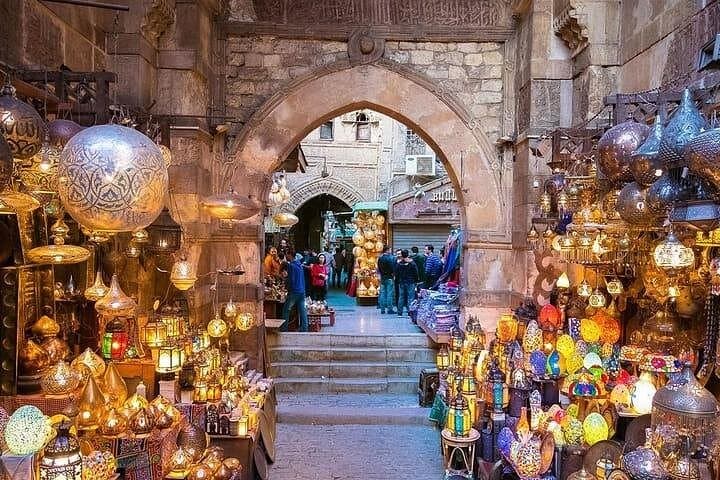
The morning air in historic Cairo is warm and insistently aromatic — spice smoke threads through the call to prayer as a private guide leads you off a broad street into narrower lanes where merchants arrange brass lamps, leather bags, and tiny bottles of perfume.
Verified experiences and guided adventures in the surrounding area.
Operated by Luxor Best Tours · Cairo, Cairo Governorate
The morning air in historic Cairo is warm and insistently aromatic — spice smoke threads through the call to prayer as a private guide leads you off a broad street into narrower lanes where merchants arrange brass lamps, leather bags, and tiny bottles of perfume.
This three-hour walking tour stitches together downtown markets, El Ghorya in Fatimid Cairo, Gamalia Street and the gates of Bab Zuwayla, Bab al-Futuh and Bab al-Nasr before delivering you into the medieval maze of Khan el Khalili. The bazaar dates back to the 14th century as a caravanserai district and still carries that mercantile energy: copperworkers hammer in small courtyards, silversmiths polish filigree, and tea sellers shout over the din.
Geology and history are visible in the stones — Mamluk-era facades, Ottoman-era fountains, and the layered urban fabric that grew inward from the Nile. Local culture shows in bargaining rhythms and the etiquette of inspecting wares; vendors expect friendly haggling rather than fixed prices.
Practically, plan for narrow alleys and crowds: wear comfortable shoes and keep valuables close. Bring local currency in small notes for quick purchases and tips; photos are welcome but ask first in workshops. If you want craft-focused shopping, ask to visit a metalworker’s stall or a perfumer’s counter away from the main thoroughfare.
The tour finishes with a calm transfer back to your hotel, arms full of small treasures and a clearer sense of how Cairo’s markets keep commerce and craft alive in the city’s oldest streets.
Yes — the tour offers pick-up and drop-off from hotels within Cairo; confirm your pickup point when booking.
Entrance fees listed in the itinerary are included; small purchases and food are not covered.
Yes — the route is stroller-accessible for infants, but expect narrow alleys where you may need to fold a stroller briefly.
Guides can offer cultural tips and assist with language, but bargaining is typically done between you and the vendor.
Luxor Best Tours operates guided outdoor trips and adventures with an emphasis on safety, stewardship, and memorable experiences.
The morning air in historic Cairo is warm and insistently aromatic — spice smoke threads through the call to prayer as a private guide leads you off a broad street into narrower lanes where merchants arrange brass lamps, leather bags, and tiny bottles of perfume.
The morning air in historic Cairo is warm and insistently aromatic — spice smoke threads through the call to prayer as a private guide leads you off a broad street into narrower lanes where merchants arrange brass lamps, leather bags, and tiny bottles of perfume.
This three-hour walking tour stitches together downtown markets, El Ghorya in Fatimid Cairo, Gamalia Street and the gates of Bab Zuwayla, Bab al-Futuh and Bab al-Nasr before delivering you into the medieval maze of Khan el Khalili. The bazaar dates back to the 14th century as a caravanserai district and still carries that mercantile energy: copperworkers hammer in small courtyards, silversmiths polish filigree, and tea sellers shout over the din.
Geology and history are visible in the stones — Mamluk-era facades, Ottoman-era fountains, and the layered urban fabric that grew inward from the Nile. Local culture shows in bargaining rhythms and the etiquette of inspecting wares; vendors expect friendly haggling rather than fixed prices.
Practically, plan for narrow alleys and crowds: wear comfortable shoes and keep valuables close. Bring local currency in small notes for quick purchases and tips; photos are welcome but ask first in workshops. If you want craft-focused shopping, ask to visit a metalworker’s stall or a perfumer’s counter away from the main thoroughfare.
The tour finishes with a calm transfer back to your hotel, arms full of small treasures and a clearer sense of how Cairo’s markets keep commerce and craft alive in the city’s oldest streets.