THE ADVENTURE COLLECTIVE® · Independent discovery and booking for outdoor travel

Skip the crowds and spend a day snorkeling local reefs off Khao Lak, then unwind on a near-empty beach. Ideal for swimmers who want close encounters with reef life and a relaxed, locally guided pace.
Skip the crowds and spend a day snorkeling local reefs off Khao Lak, then unwind on a near-empty beach. Ideal for swimmers who want close encounters with reef life and a relaxed, locally guided pace.
The motor hummed as the boat slipped away from the small fishing pier and the coastline thinned into blue. Salted wind pushed at your ears, mangrove shadows sliding past the hull while the captain cut a slow line toward a low-reef mosaic where the water suddenly clears and invites you down.
Verified experiences and guided adventures in the surrounding area.
Operated by Discovery Travel - Khao Lak · Khao Lak, Phang Nga Province
The motor hummed as the boat slipped away from the small fishing pier and the coastline thinned into blue. Salted wind pushed at your ears, mangrove shadows sliding past the hull while the captain cut a slow line toward a low-reef mosaic where the water suddenly clears and invites you down.
Khao Lak’s coastline sits on the western edge of Phang Nga Bay, a shelf of limestone and volcanic sediments that formed shallow reefs close to shore. Local fishing villages and simple piers still mark the human history here; you may pass longtail boats and stilt houses that speak to generations who read tides and seasons the way maps read contours.
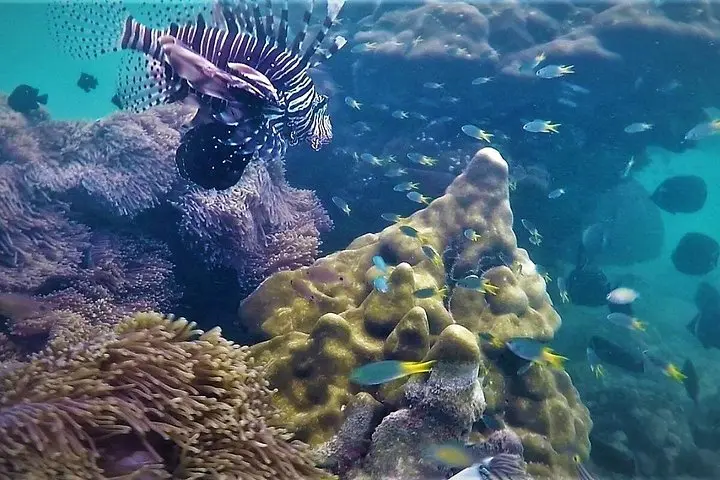
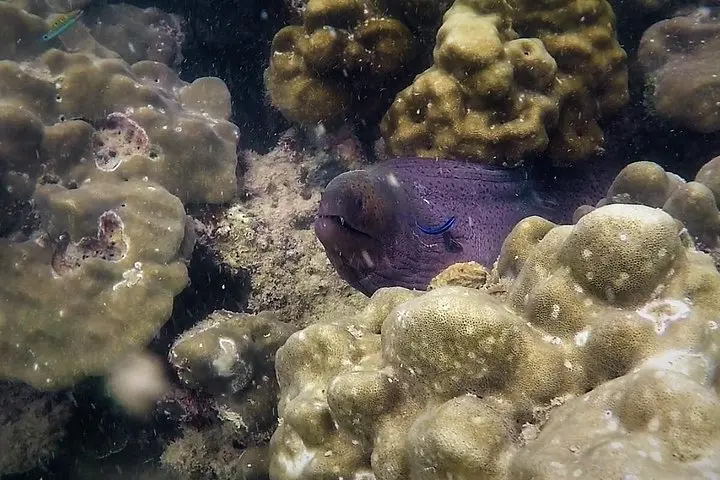
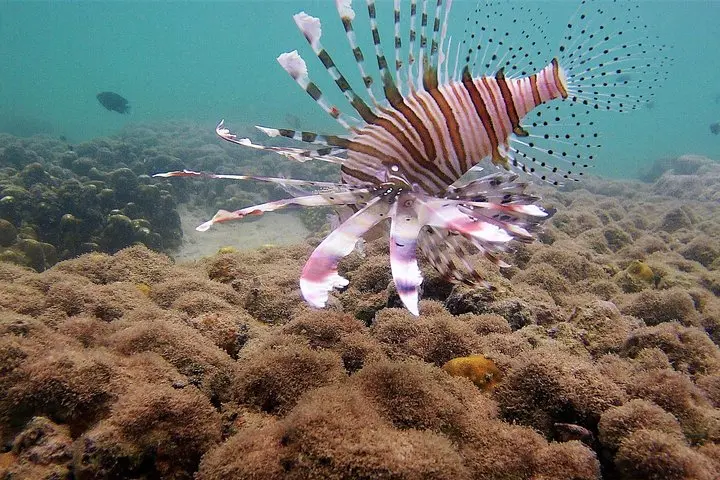
Expect elbowroom where Phi Phi gets crowded: small reef bommies, patches of hard and soft coral, clownfish darting in anemones and morays tucked into crevices. The trip usually includes a short cruise through mangroves, two or three snorkel sites chosen by currents, and lunch on a quiet, often unpeopled beach.
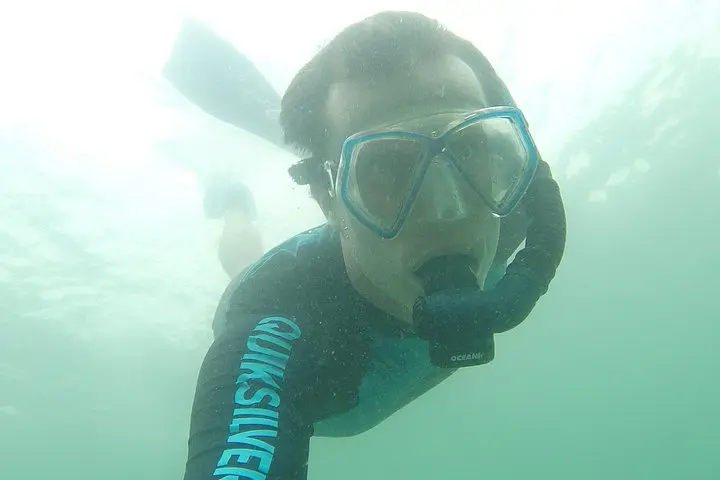
Practical edge: packing reef-safe sunscreen, a snug mask, and a lightweight rashguard makes jumps between water and sand easy. Sea conditions are best November–April; monsoon months bring choppier water and reduced visibility. Guides bring floats and basic safety gear, but swimmers should be comfortable in open water and able to manage short swims back to the boat. Bring motion-sickness remedies if you’re sensitive; boats are local style and can roll in swell.
This is a day of close-up marine life and calm shore time — simple, approachable snorkeling with local knowledge steering you to the quiet spots.
No — the trip is suitable for most fitness levels, but you should be comfortable in open water and able to float and swim short distances; guides provide flotation aids if needed.
The dry season, roughly November through April, offers the calmest seas and best visibility for snorkeling.
Yes — snorkels, masks, and fins are typically provided, though some travelers prefer to bring personal masks for fit and hygiene.
Children are allowed; infants must sit on laps. Children should be supervised and comfortable in water; flotation devices are usually available.
Discovery Travel - Khao Lak operates guided outdoor trips and adventures with an emphasis on safety, stewardship, and memorable experiences.
The motor hummed as the boat slipped away from the small fishing pier and the coastline thinned into blue. Salted wind pushed at your ears, mangrove shadows sliding past the hull while the captain cut a slow line toward a low-reef mosaic where the water suddenly clears and invites you down.
The motor hummed as the boat slipped away from the small fishing pier and the coastline thinned into blue. Salted wind pushed at your ears, mangrove shadows sliding past the hull while the captain cut a slow line toward a low-reef mosaic where the water suddenly clears and invites you down.
Khao Lak’s coastline sits on the western edge of Phang Nga Bay, a shelf of limestone and volcanic sediments that formed shallow reefs close to shore. Local fishing villages and simple piers still mark the human history here; you may pass longtail boats and stilt houses that speak to generations who read tides and seasons the way maps read contours.
Expect elbowroom where Phi Phi gets crowded: small reef bommies, patches of hard and soft coral, clownfish darting in anemones and morays tucked into crevices. The trip usually includes a short cruise through mangroves, two or three snorkel sites chosen by currents, and lunch on a quiet, often unpeopled beach.
Practical edge: packing reef-safe sunscreen, a snug mask, and a lightweight rashguard makes jumps between water and sand easy. Sea conditions are best November–April; monsoon months bring choppier water and reduced visibility. Guides bring floats and basic safety gear, but swimmers should be comfortable in open water and able to manage short swims back to the boat. Bring motion-sickness remedies if you’re sensitive; boats are local style and can roll in swell.
This is a day of close-up marine life and calm shore time — simple, approachable snorkeling with local knowledge steering you to the quiet spots.